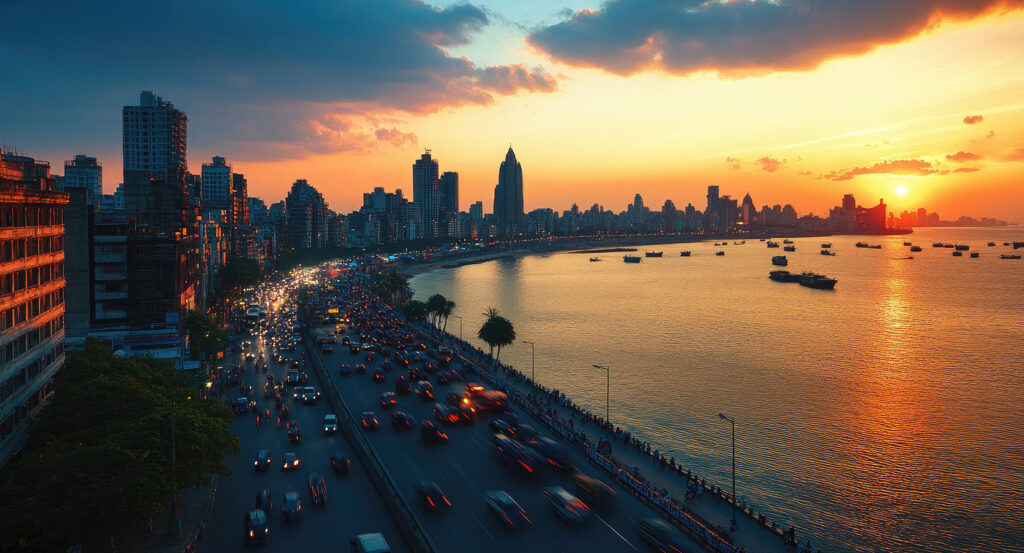
Why Fort matters.
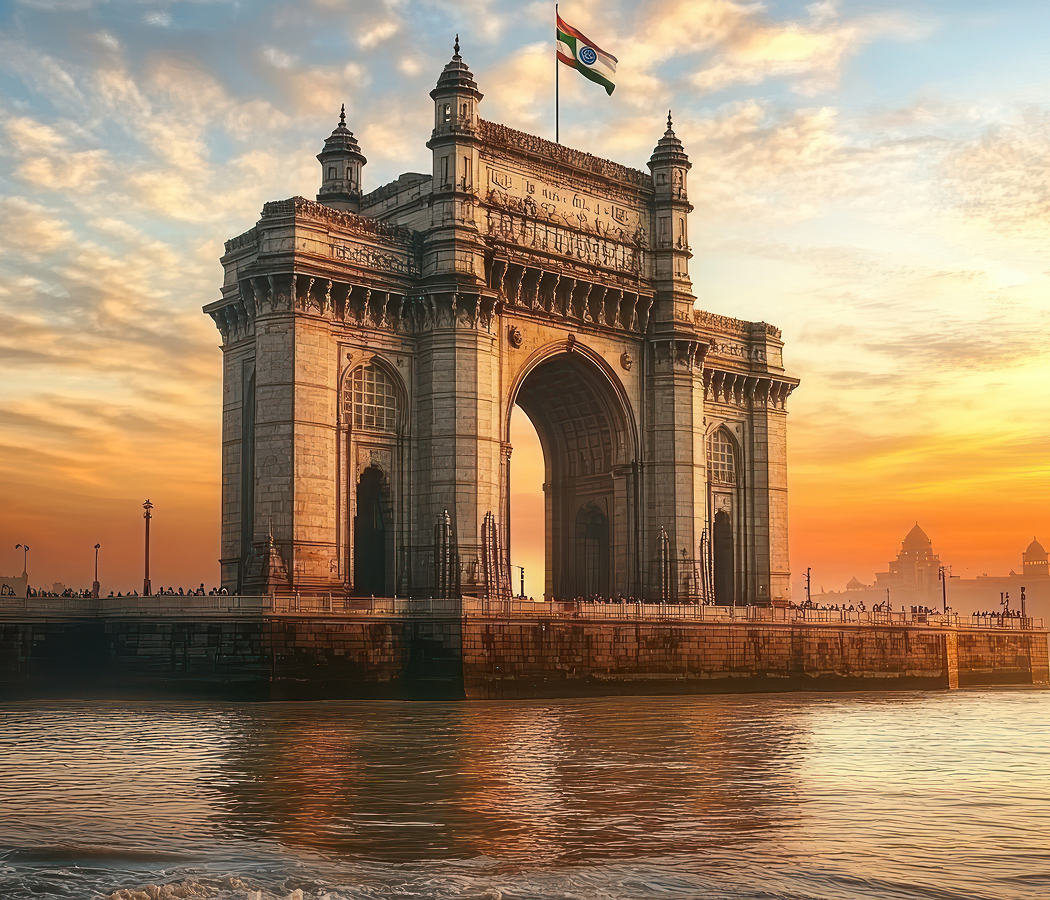
Fort is the district where modern Mumbai was born, where colonial grandeur, financial influence, and cultural heritage converge within the historic core that transformed a trading outpost into one of the world's great cities.
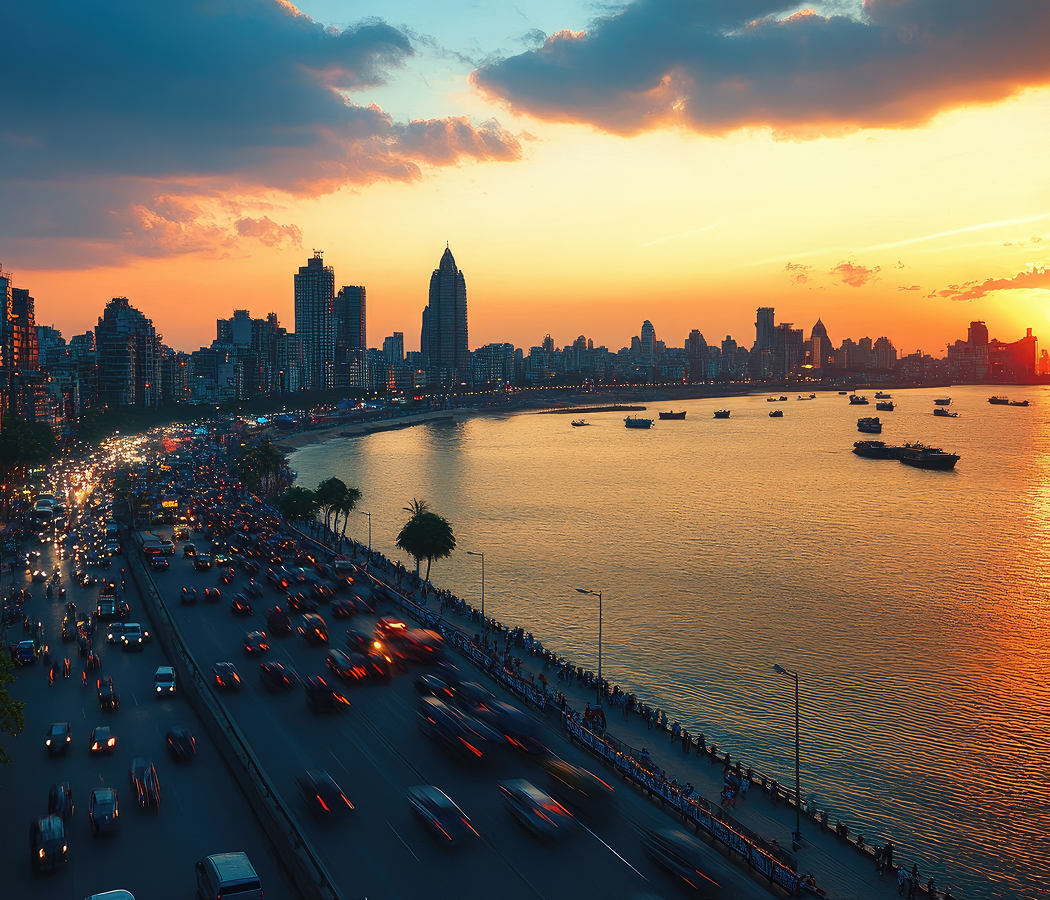
Grand arcades, Victorian landmarks, thriving business corridors, historic institutions, art galleries, public squares, and architectural masterpieces create a neighborhood that balances timeless elegance with contemporary importance. Named after the fortified settlement that once stood here during British rule, Fort became the center of administration, commerce, and civic life as Bombay emerged as the gateway to western India. Merchants, industrialists, bankers, and civic leaders shaped a district whose influence extended across the subcontinent and beyond. Many of the city's defining institutions first took root within these streets, leaving behind one of Asia's most remarkable urban landscapes. Today, visitors encounter a neighborhood that feels historic, sophisticated, and globally significant. South Mumbai unfolds around Fort, reinforcing its role as the nucleus from which the modern city expanded. Every colonnade, plaza, and heritage façade reflects a district shaped by ambition, trade, and transformation.
What defines Fort.
Fort is best known for containing Mumbai's largest concentration of Victorian Gothic and Indo-Saracenic architecture.
During the nineteenth century, Bombay's rapid growth fueled an unprecedented wave of civic construction that produced some of the finest architectural landmarks in the British Empire. Government buildings, universities, railway stations, libraries, and commercial institutions were designed using a distinctive fusion of European and Indian styles that came to define the city's visual identity. Many of these structures remain remarkably intact today, creating a dense architectural landscape unlike anywhere else in India. The district's historic significance earned international recognition through the inclusion of many nearby landmarks within Mumbai's UNESCO World Heritage-listed urban ensemble. Beyond their beauty, these buildings symbolize the economic power and global importance Bombay achieved during its rise as a major port city. Few neighborhoods in Asia possess such an extraordinary concentration of architectural heritage.
How Fort fits.
Fort works as an exploration of landmark architecture, cultural institutions, and historic streets that reveal the foundations of modern Mumbai.
Begin at Chhatrapati Shivaji Maharaj Terminus, where the neighborhood's defining relationship with architecture, transportation, and civic ambition immediately comes into focus. Continue toward Horniman Circle, whose elegant arcades and historic gardens reveal the commercial energy that helped shape Bombay's rise as a global trading center. From there, make your way to Kala Ghoda, where galleries, museums, and heritage buildings provide a broader perspective on the artistic and intellectual traditions that continue to define the district today. Along the route, you'll encounter historic banks, colonial-era institutions, public squares, bookstores, cafés, museums, and architectural landmarks that showcase the neighborhood's remarkable depth. Together, these destinations reveal how Fort evolved from a fortified colonial settlement into the historic, cultural, and financial heart of Mumbai.
Where your story begins.
Foresyte Travel reveals places that feel extraordinary long before you arrive.
Enjoy editorial crafted for luxury travelers.
Foresyte may earn a commission when you book.