Why The Taj Mahal Palace matters.
The Taj Mahal Palace is where India's past, present, and pulse converge in a single, unmistakable place, regal, resilient, and alive with a confidence that has never needed permission.
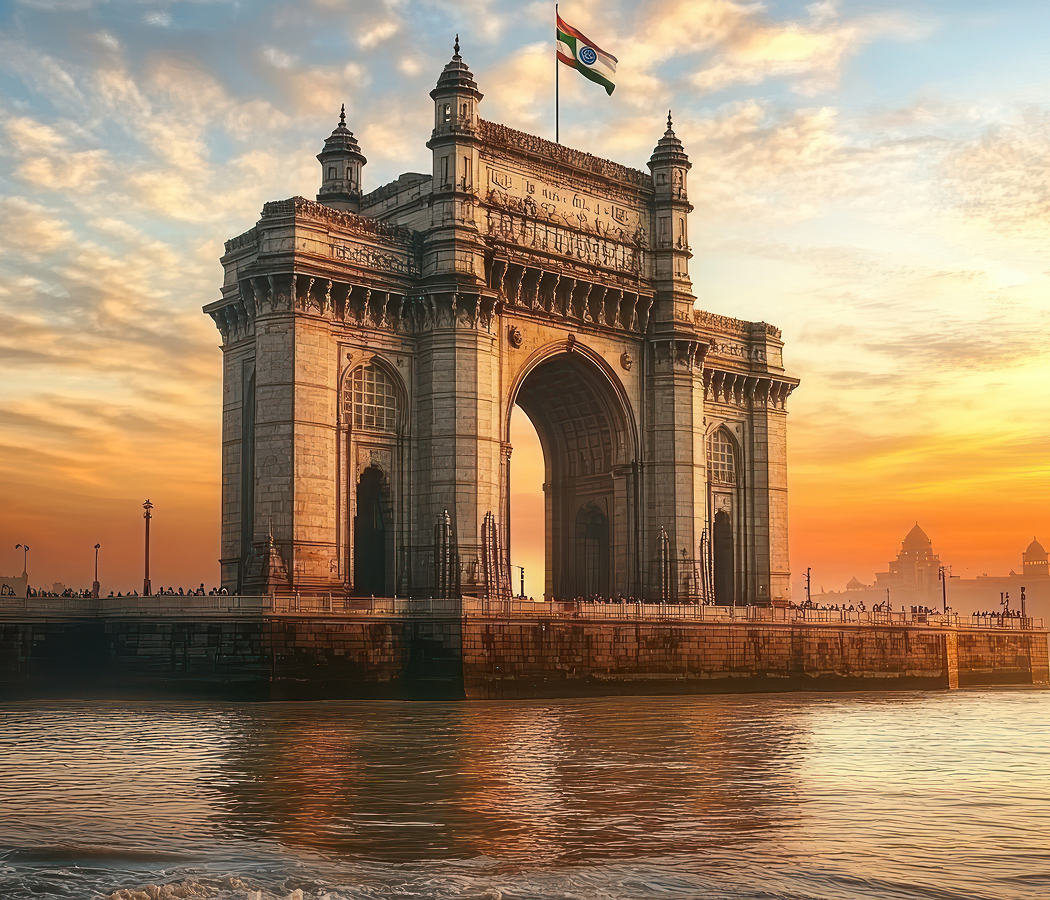
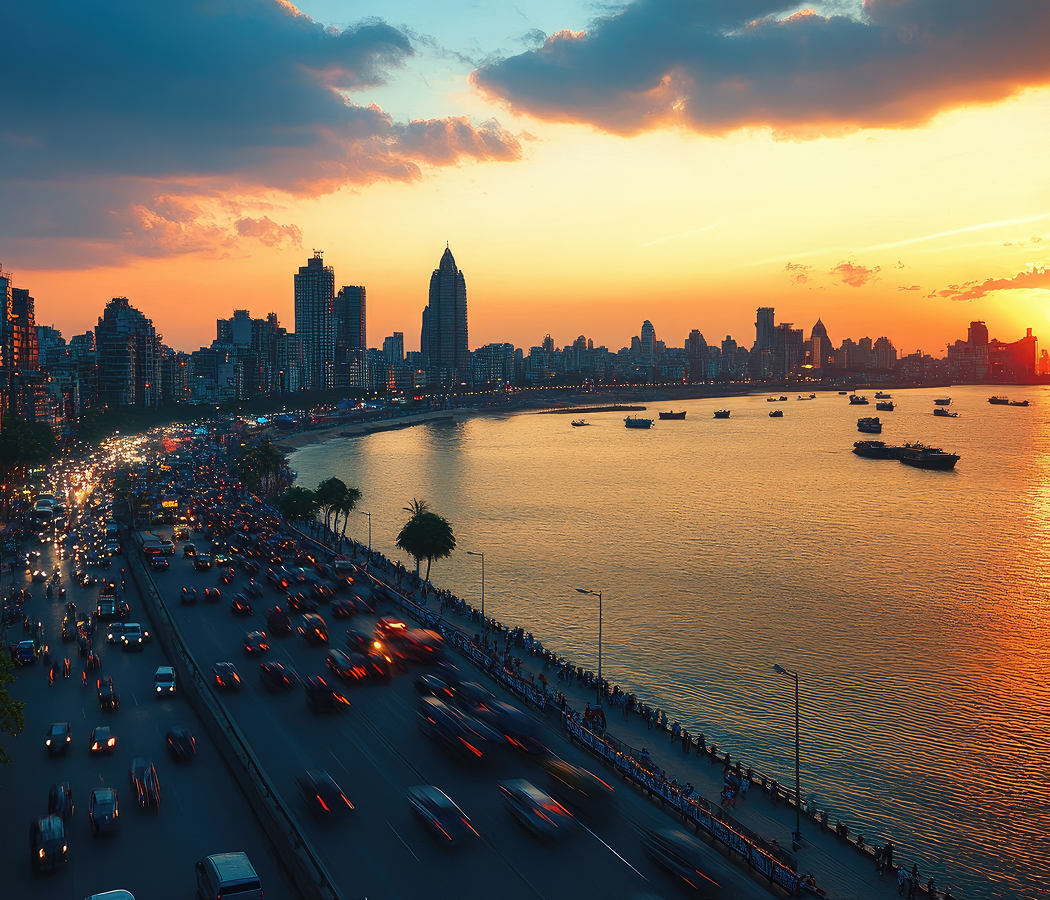
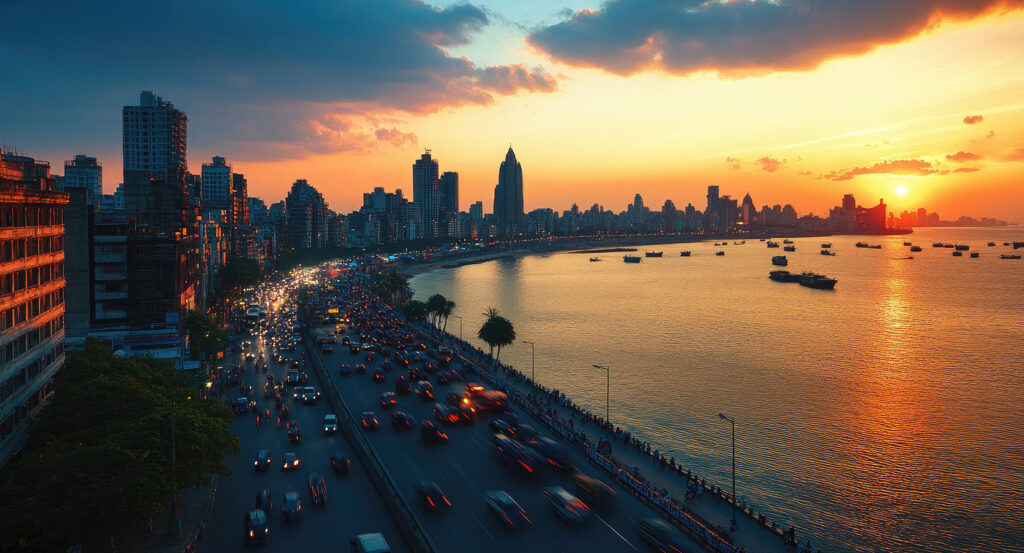
This is not a hotel that eases you into Mumbai; it introduces you to the city at full volume and perfect pitch. Standing proudly on the edge of the Arabian Sea opposite the Gateway of India, The Taj Mahal Palace has been the city's front door, living room, and moral compass for over a century. From the moment you arrive, there is a sense that you are stepping into something larger than hospitality, a space where history is not curated behind glass, but actively lived. The red domes, Indo-Saracenic arches, and grand façade announce presence rather than luxury, signaling that this is a place built to endure rather than impress. Inside, the transition is immediate and immersive. Marble floors, vaulted ceilings, carved columns, and corridors lined with art and artifacts create an atmosphere that feels ceremonial. The hotel hums with life: diplomats crossing paths with newlyweds, business leaders brushing past artists, longtime staff greeting returning guests by name with genuine warmth. This is Mumbai distilled, layered, kinetic, deeply human. Rooms span eras and moods, from heritage wing accommodations rich with classic detail to palace wing rooms that lean more contemporary, but all share a sense of composure and generosity. High ceilings, plush beds, thoughtful lighting, and windows that frame either the sea, the Gateway, or the city itself create spaces that feel restorative amid Mumbai's intensity. Bathrooms are expansive and refined, designed for ritual and pause, offering marble finishes, deep tubs, and the quiet luxury of space in a city where space is rare. Dining here is renowned, not as a concept but as lived truth. From iconic Indian restaurants that honor regional depth and spice to refined international offerings, every meal feels anchored in pride. Afternoon tea beneath soaring ceilings feels timeless rather than nostalgic, while evening cocktails carry the weight of stories shared and history witnessed. Service throughout the hotel is its own masterwork, convivial, intuitive, deeply personal, and rooted in an Indian hospitality tradition that treats guests as honored participants. The Taj Mahal Palace does not attempt to shield you from Mumbai's complexity. It stands confidently within it, offering a place of beauty, strength, and continuity that makes the city's chaos feel meaningful.
What defines The Taj Mahal Palace.
The Taj Mahal Palace is not just a landmark hotel; it is among the most symbolically powerful buildings in modern India, shaped by ambition, resilience, and an unbreakable relationship with the nation itself.
Opened in 1903 by Jamsetji Tata, among India's most visionary industrialists, the hotel was built at a time when Indians were routinely excluded from elite colonial spaces. The Taj Mahal Palace was a statement, not merely of luxury, but of sovereignty, dignity, and self-determination. Every architectural choice carried intention, blending Indian, Islamic, and European influences into a structure that refused to be categorized or diminished. Over the decades, the hotel became the preferred residence of royalty, heads of state, artists, and thinkers, serving as a quiet witness to India's transformation through colonial rule, independence, economic shifts, and cultural reinvention. Perhaps most profoundly, The Taj Mahal Palace became a global symbol of resilience following the tragic attacks of 2008. The hotel was not only targeted; it was tested. What followed became part of its legacy, extraordinary courage shown by staff who prioritized guests' safety above their own, a rebuilding process guided by resolve rather than fear, and a reopening that felt less like recovery and more like defiance. The hotel today carries this history not as a scar, but as strength. You feel it in the way staff move with calm assurance, in the pride woven into every interaction, and in the sense that this building has seen the worst and chosen grace anyway. The art collection alone tells stories, centuries-old artifacts, contemporary Indian works, sculptures, textiles, and photographs that trace the nation's cultural breadth. Even the location itself is symbolic. Facing the Gateway of India, once a ceremonial exit point for British rule, the hotel stands as a permanent counterpoint, an Indian institution that remained, endured, and defined itself on its own terms. To stay here is not simply to occupy a room; it is to participate, briefly, in a living narrative of India's identity.
How The Taj Mahal Palace fits.
The Taj Mahal Palace works best when you let it orient you, not as a retreat from Mumbai, but as a view through which the city becomes legible, navigable, and deeply compelling.
Begin your mornings early, when the city is just beginning to stir. Wake to sea light filtering through your windows, the Gateway of India framed in quiet dignity before the crowds arrive. Breakfast should be unhurried, allowing you to observe the choreography of the hotel itself, staff moving with purpose, guests arriving from every corner of the world, the day assembling piece by piece. Step outside and walk along the waterfront before the heat and traffic assert themselves, then return “home” to reset. Midday is ideal for exploration, galleries, markets, historic neighborhoods, but keep your return to the hotel intentional. This pause matters. A long bath, afternoon tea, or simply sitting beneath the hotel's arches allows Mumbai to fall back into proportion. As evening approaches, the hotel transforms. Light warms, the sea darkens, and the energy becomes more intimate. Begin the night with a drink that carries history in its walls, then let dinner unfold slowly, choosing flavors that root you in place. Afterward, linger. Conversations stretch here. Stories surface. On your final days, resist the urge to pack everything in. The Taj Mahal Palace is not a checklist stop; it is an anchor. By the time you leave, Mumbai will feel less chaotic and more intentional, less overwhelming and more alive. This is not a hotel you remember as a stay. It stays with you as a feeling, among strength, elegance, and an unshakeable sense of belonging in the middle of one of the world's most extraordinary cities.
Where your story begins.
Foresyte Travel reveals places that feel extraordinary long before you arrive.
Enjoy editorial crafted for luxury travelers.
Foresyte may earn a commission when you book.