Why Little India matters.
Little India in Singapore is a physical explosion, a mirror of color, sound, and spirit that captures the pulse of life itself.
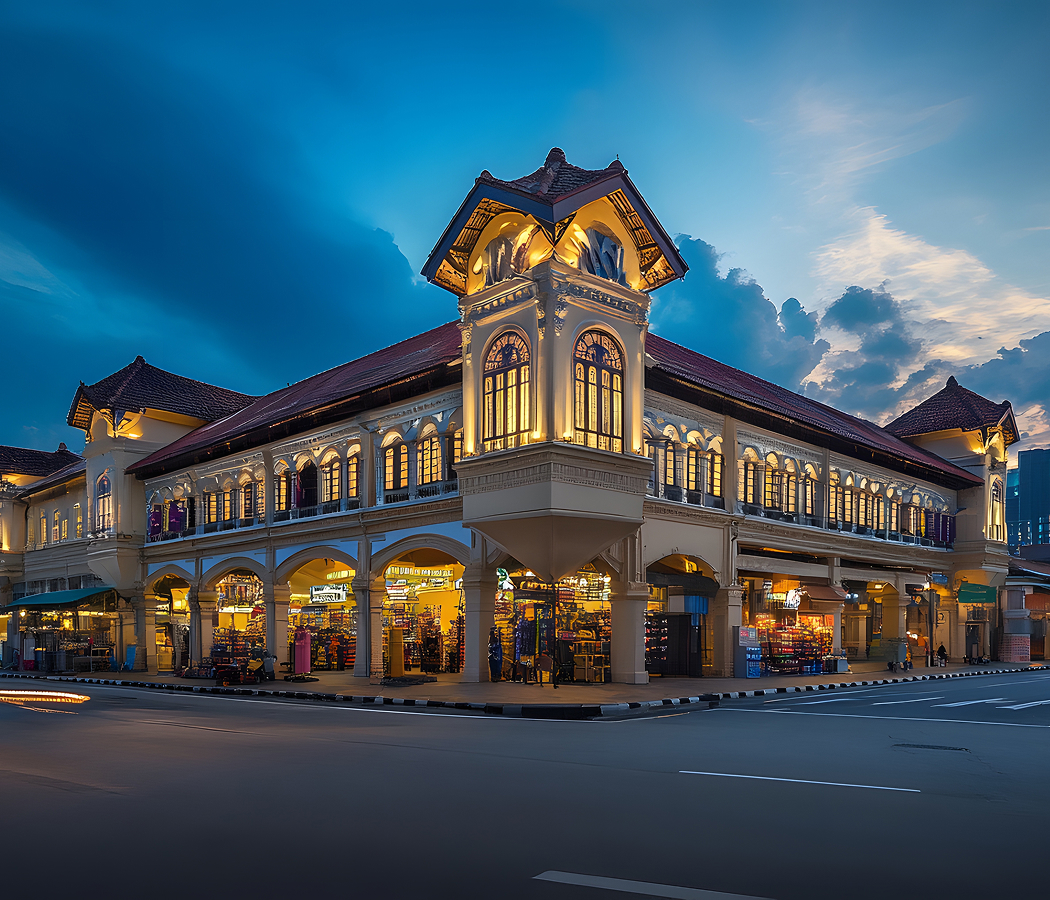
Step into its streets and you're transported, garlands of marigolds drape from stalls, Bollywood music spills from open doors, and the air hums with the scent of jasmine, incense, and freshly fried samosas. The neighborhood beats to its own rhythm, one born of centuries of migration, faith, and celebration. From the vivid facades of shophouses along Serangoon Road to the radiant murals that color Tekka Centre's walls, every corner feels alive with energy. The towering gopurams of Sri Veeramakaliamman Temple gleam in the sunlight, covered in a riot of carved deities that seem to watch over the bustle below. Rickshaws weave through markets where gold bangles glitter beside baskets of chili and turmeric. Yet amid the chaos lies harmony, a tribute to Singapore's rare balance of modernity and tradition. Little India doesn't just welcome you; it envelops you, reminding you that joy, when shared through culture, becomes its own kind of devotion.
What defines Little India, Singapore.
Behind its energetic personality lies a story of resilience and reinvention, woven through trade, faith, and migration.
Little India began in the 19th century as a cattle-trading hub along the Rochor Canal, where Indian settlers, many from Tamil Nadu and Bengal, built lives around commerce and community. The area flourished as traders, artisans, and spice merchants transformed what was once a muddy outpost into a thriving neighborhood of temples, shops, and homes. Tekka Market became the heart of it all, a melting pot where Chinese, Malay, and Indian cultures met daily over food and exchange. Over time, Little India grew into more than a marketplace; it became a sanctuary for identity. During colonial rule, it stood as a symbol of endurance, a place where language, religion, and tradition remained intact despite the pressures of modernization. The Sri Veeramakaliamman Temple, dedicated to the goddess Kali, survived bombings during World War II and remains one of the city's most beloved sanctuaries. Today, Little India captures the multicultural vision of Singapore itself, a neighborhood where Hindu temples rise beside mosques and churches, and where diversity isn't a slogan but a way of life. Few realize how deeply this coexistence defines the city's essence.
How Little India, Singapore fits.
To experience Little India fully, come ready to wander, taste, and listen, for it's not a place to see, but to feel.
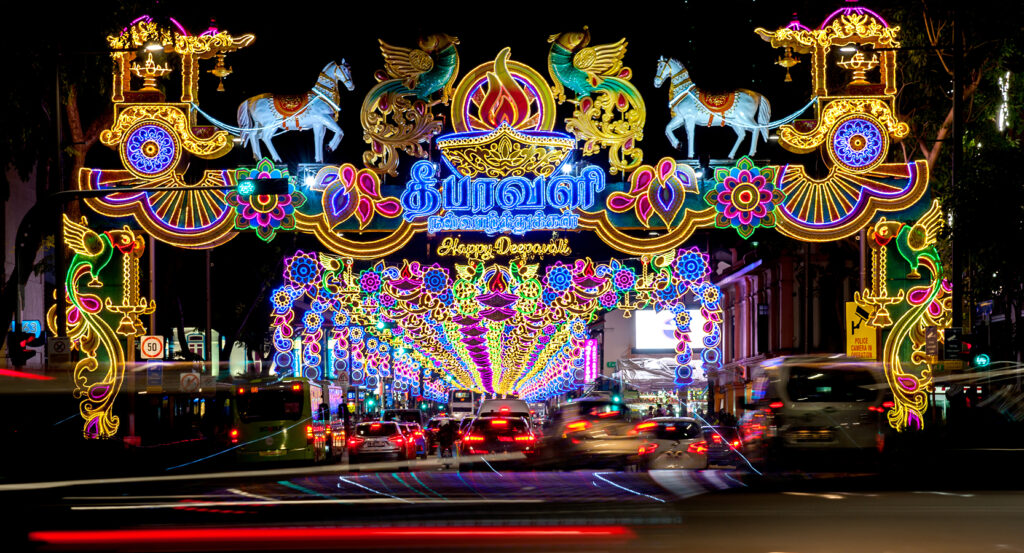
Start the journey at Tekka Centre, where hawker stalls serve everything from biryani and dosa to laksa and Chinese rojak, a delicious reflection of Singapore's intertwined cultures. Step outside and follow the scent of incense to Sri Veeramakaliamman Temple, pausing to marvel at its intricate sculptures and vivid frescoes depicting Hindu legends. From there, explore the arcades along Campbell Lane and Buffalo Road, where sari shops glow with silk and sequins under the afternoon light. Don't miss the Indian Heritage Centre, a sleek, glass-clad museum tracing the stories of South Asian communities who helped build modern Singapore. For a deeper immersion, time your visit around Deepavali, when the streets blaze with lights, arches, and music that seem to set the entire district alight. End your day with masala tea at a café along Dunlop Street or a feast at Banana Leaf Apolo, where food is served traditionally on banana leaves, flavorful, fragrant, and unforgettable. As night falls, neon signs shimmer against the sky, and the air feels thick with warmth and wonder. Little India doesn't just tell a story, it sings one, with every color, flavor, and heartbeat of its people.
Where your story begins.
Foresyte Travel reveals places that feel extraordinary long before you arrive.
Enjoy editorial crafted for luxury travelers.
Foresyte may earn a commission when you book.