Perfect weekend in Kyoto, Japan.
Kyoto becomes the grounding, poetic center of your journey, the place where every day feels purposeful, restorative, and beautifully unhurried.
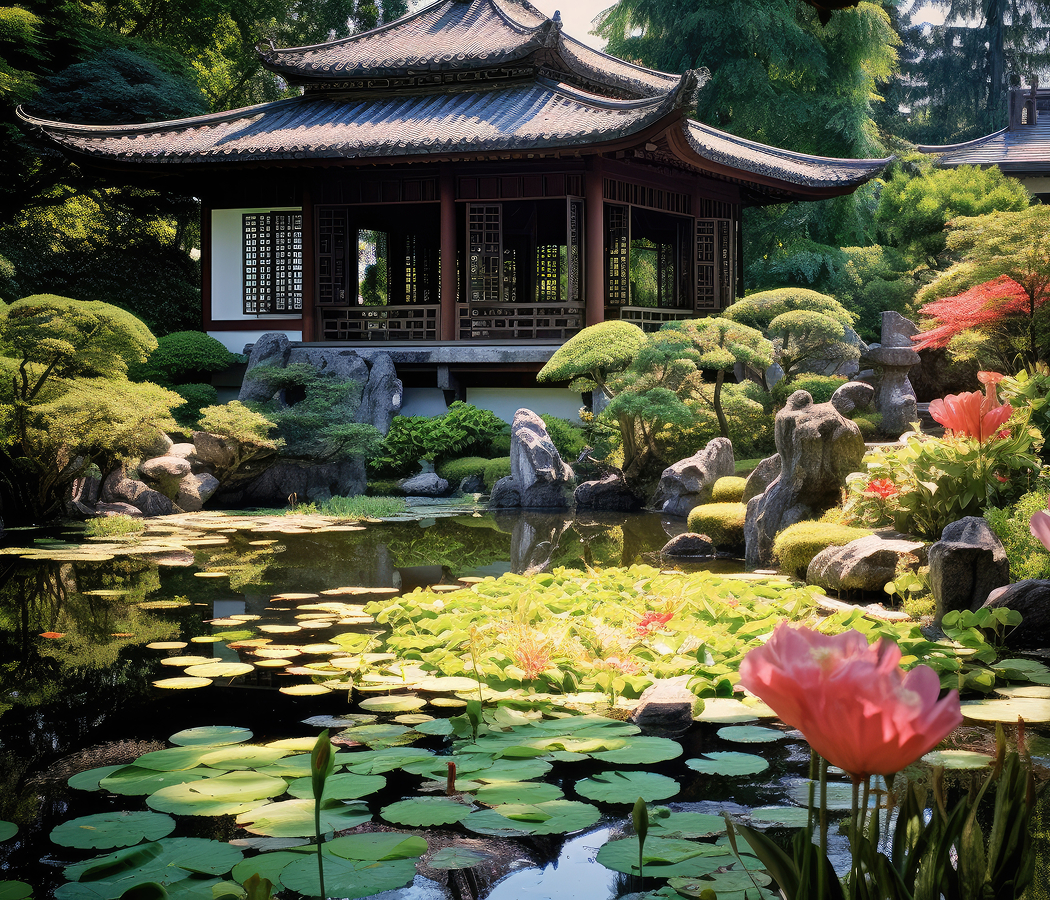
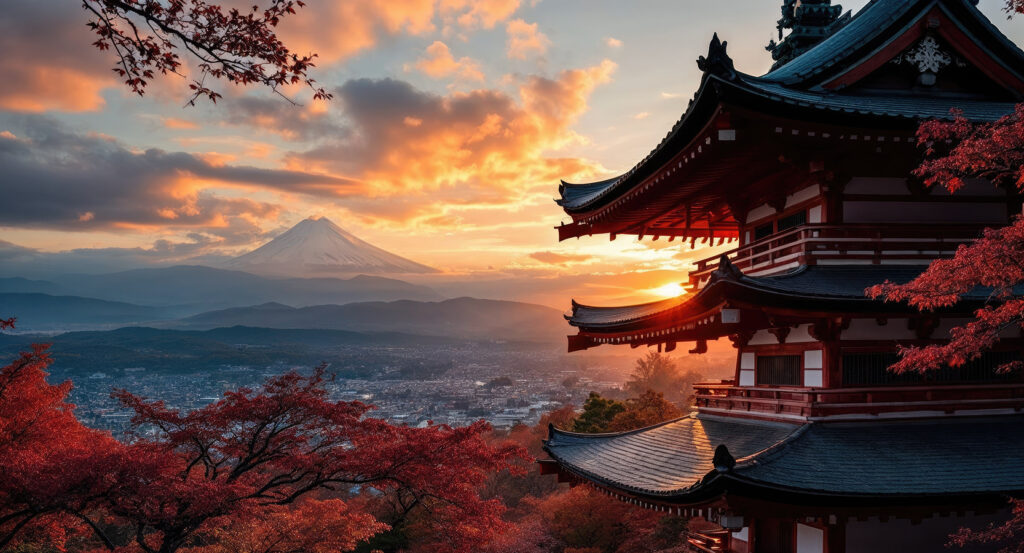
Begin your morning with a quiet walk through a temple district before the crowds awaken: Higashiyama still wrapped in soft light, Kiyomizu-dera overlooking the city like a guardian, or Nanzen-ji's massive gates rising through morning mist. Let the stillness set your pace. Stop into a small café for matcha or pour-over coffee, then wander through narrow alleys lined with pottery shops, textile studios, and family-owned bakeries selling pastries warm from the oven. Spend your late morning in one immersive experience: a garden that rearranges your sense of calm, a tea ceremony that slows your breathing, or a bamboo forest walk with sunlight filtering through green stalks like stained glass. Let afternoons carry you across the city's layers, a traditional ryokan bath, a riverside stroll along the Kamogawa, or a visit to Nishiki Market where generations of vendors sell pickles, tofu, sweets, and spices tied to Kyoto's culinary soul. As evening nears, Kyoto reaches its most enchanting hour. Lanterns flicker on in Gion, shadows stretch across wooden facades, and streets glow with a warmth that feels timeless. Dinner becomes a ritual, kaiseki crafted like edible art, steaming bowls of udon, grilled river fish, or delicate sweets flavored with matcha and yuzu. Walk home slowly. Kyoto rewards slowness. It rewards presence. And it becomes, without trying, the part of your trip you remember most vividly.
Three days you'll remember.
📍 whispers beneath
Day 1: Gion District
Gion District carries Kyoto's preserved elegance through narrow lanes, wooden machiya townhouses, and lantern-lit evenings. The atmosphere feels deliberate and composed, shaped by quiet ritual. Movement is subtle, almost hushed. It's historic, intimate, and unmistakably refined.
Day 1: Another C Restaurant
Another C delivers contemporary Japanese dining with minimalist precision. The setting is understated, allowing texture and technique to guide the experience. Each dish arrives balanced and intentional. It's modern, composed, and quietly sophisticated.
Day 2: Tō-ji Temple
Tō-ji Temple anchors southern Kyoto with its towering five-story pagoda rising above traditional grounds. The complex feels expansive yet serene, framed by wooden halls and seasonal gardens. The presence is grounded. It's architectural, contemplative, and deeply rooted.
Day 2: Gion Hanamai Restaurant
Gion Hanamai offers refined kaiseki-style dining within a traditional setting. The menu unfolds course by course with seasonal discipline and aesthetic restraint. Service moves quietly and precisely. It's ceremonial, elegant, and unmistakably Kyoto.
Day 2: Kinkaku-ji (Golden Pavilion)
Kinkaku-ji glows in gold leaf above a still pond, reflecting symmetry and careful proportion. The structure feels almost unreal against surrounding greenery. The experience is brief but visually striking. It's luminous, balanced, and profoundly iconic.
Day 2: Shimogamo Saryo
Shimogamo Saryo delivers centuries-old Kyoto culinary tradition through refined seasonal presentation. The interior feels intimate and restrained, centered on precision and ingredient integrity. Each course unfolds with deliberate pacing. It's historic, meticulous, and quietly elevated.
Day 3: Arashiyama Bamboo Grove
Arashiyama Bamboo Grove surrounds visitors in vertical stillness, tall stalks rising in filtered light. The sound of wind through bamboo replaces city noise. The experience feels immersive and contemplative. It's serene, textural, and distinctly Kyoto.
Day 3: Philosopher's Path
Philosopher's Path traces a quiet canal lined with cherry trees and modest temples. The walk encourages steady movement and reflection. Seasonal shifts transform its character throughout the year. It's peaceful, understated, and deeply atmospheric.
Day 3: Teppan Tavern
Teppan Tavern offers contemporary teppanyaki with controlled technique and modern polish. The atmosphere feels intimate yet energetic, centered on precise execution at the grill. Flavors arrive bold but disciplined. It's lively, refined, and a composed close to Kyoto.
Kyoto Itinerary FAQ.
What are the best things to do in Kyoto on a weekend trip?
Visit Fushimi Inari Shrine, explore Arashiyama's bamboo grove, take a tea break in Gion, stroll Philosopher's Path, and experience a traditional kaiseki dinner.
When is the best time to visit Kyoto for a weekend getaway?
The most magical times are during cherry blossom season (March-April) and the fall foliage period (October-November), but the city has charm year-round.
Where should I stay in Kyoto for a weekend?
Gion offers cultural immersion near historic sites, while the downtown Nakagyo area is great for dining and convenience. Try a ryokan for a traditional stay.
Is Kyoto a good place for a short weekend trip?
Yes, Kyoto is compact yet layered with depth. In two to three days, you can sample both serenity and splendor, from temples to street food stalls.
What foods should I try in Kyoto during a weekend visit?
Don't miss yuba (tofu skin), matcha desserts, kaiseki meals, Kyoto-style ramen, and fresh mochi from Nishiki Market.
How do you get around Kyoto on a weekend visit?
The city is easy to navigate via public buses and trains. Biking is popular for temple-hopping, and walking is ideal for neighborhood discovery.