Fun facts about Dubrovnik, Croatia.
Dubrovnik sits at a crossroads of geology, maritime power, and centuries-long resilience, a city whose beauty is inseparable from the land and sea that shaped it.
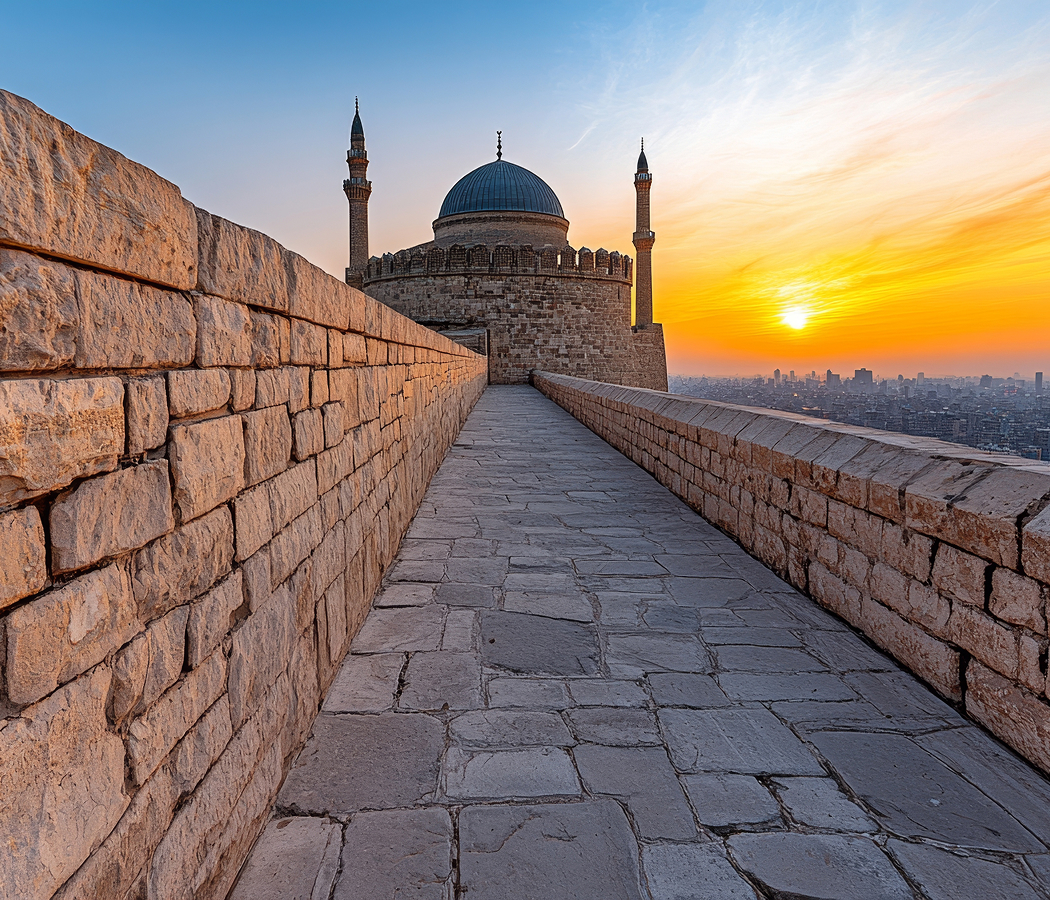
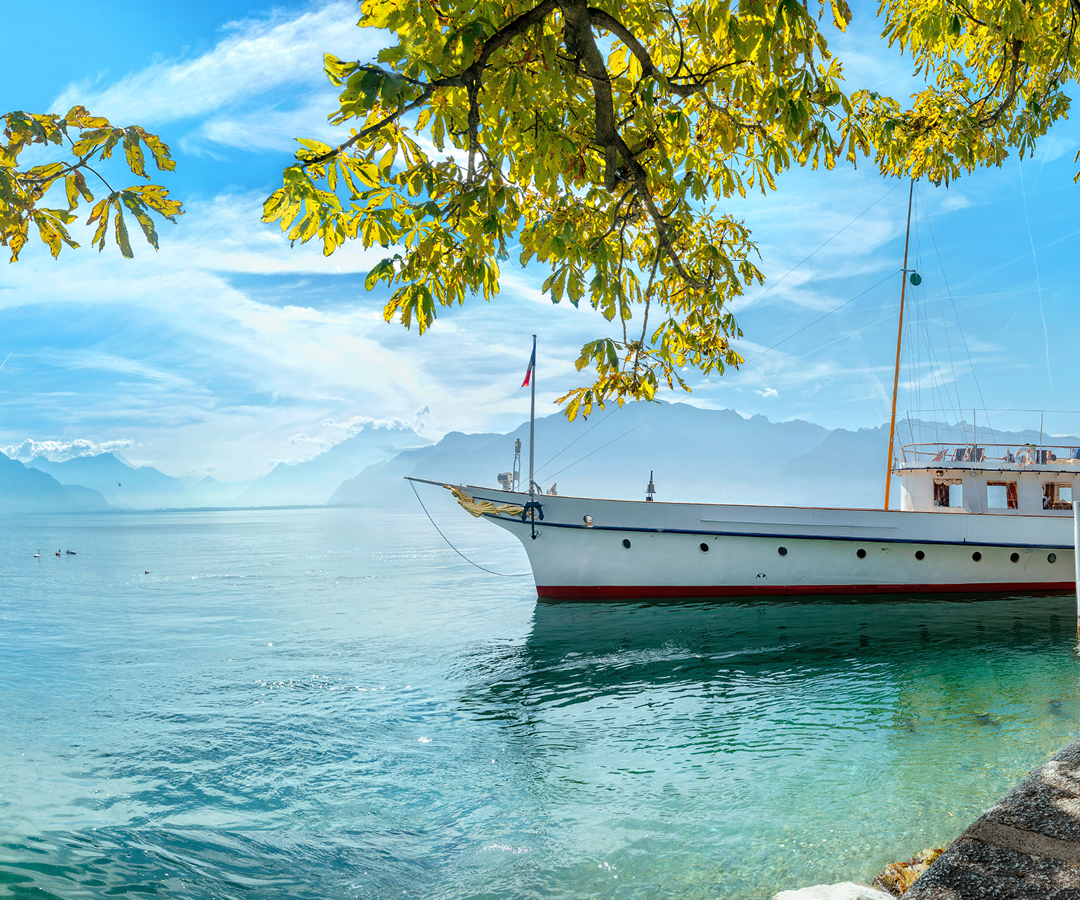
The Old Town stands on limestone formed over millions of years, its white stones cut from nearby quarries that give the city its glowing, almost luminescent color. Its perfectly preserved walls didn't appear for aesthetic drama, they were engineered over generations by the Republic of Ragusa, one of Europe's most sophisticated maritime powers, whose ingenuity allowed Dubrovnik to remain independent for centuries. The Adriatic surrounding it is unusually clear due to minimal river sediment and unique coastal currents, giving the sea that surreal, glass-blue transparency. Even the rooftops tell a story: after the 1991, 1992 siege, thousands of tiles were replaced by hand, creating the vibrant patchwork of terracotta that now marks the skyline. The steep stairways, cliffside paths, and tiny stone balconies weren't urban design flourishes, they were adaptations to rugged topography and flood patterns. Dubrovnik is a city built not just for beauty, but for survival, shaped by wind, water, stone, and the unbreakable spirit of its people.
Five fun facts.
5. Dubrovnik was once its own republic.
For nearly 450 years functioned as the independent Republic of Ragusa, maintaining neutrality and diplomacy while major empires battled around it.
4. It abolished slavery long before most.
In 1416 passed one of Europe's earliest anti-slavery laws, becoming a progressive outlier in a time of global injustice.
3. Game of Thrones wasn't its first brush with fame.
Long before Hollywood arrived was a popular filming destination and literary muse, Lord Byron dubbed it “the pearl of the Adriatic.”
2. The city walls have never been breached.
Despite centuries of invasions and wars's iconic stone walls held strong, preserving the city within like a fortress-shaped time capsule.
1. Dubrovnik invented its own quarantine system.
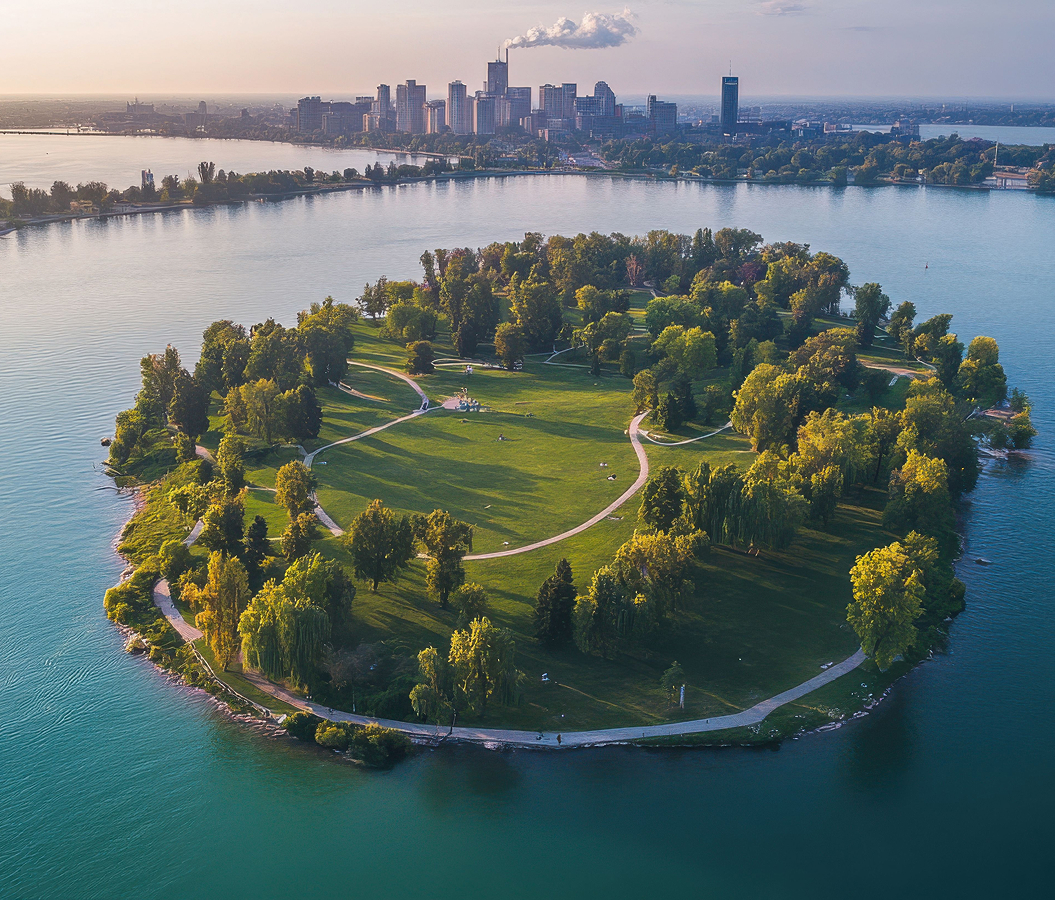
In the 14th century, the city built a lazaretto (quarantine station) on a nearby island to protect against plague, a practice that influenced global health measures.
Where your story begins.
Start your planning journey with Foresyte Travel.
Experience immersive stories crafted for luxury travelers.