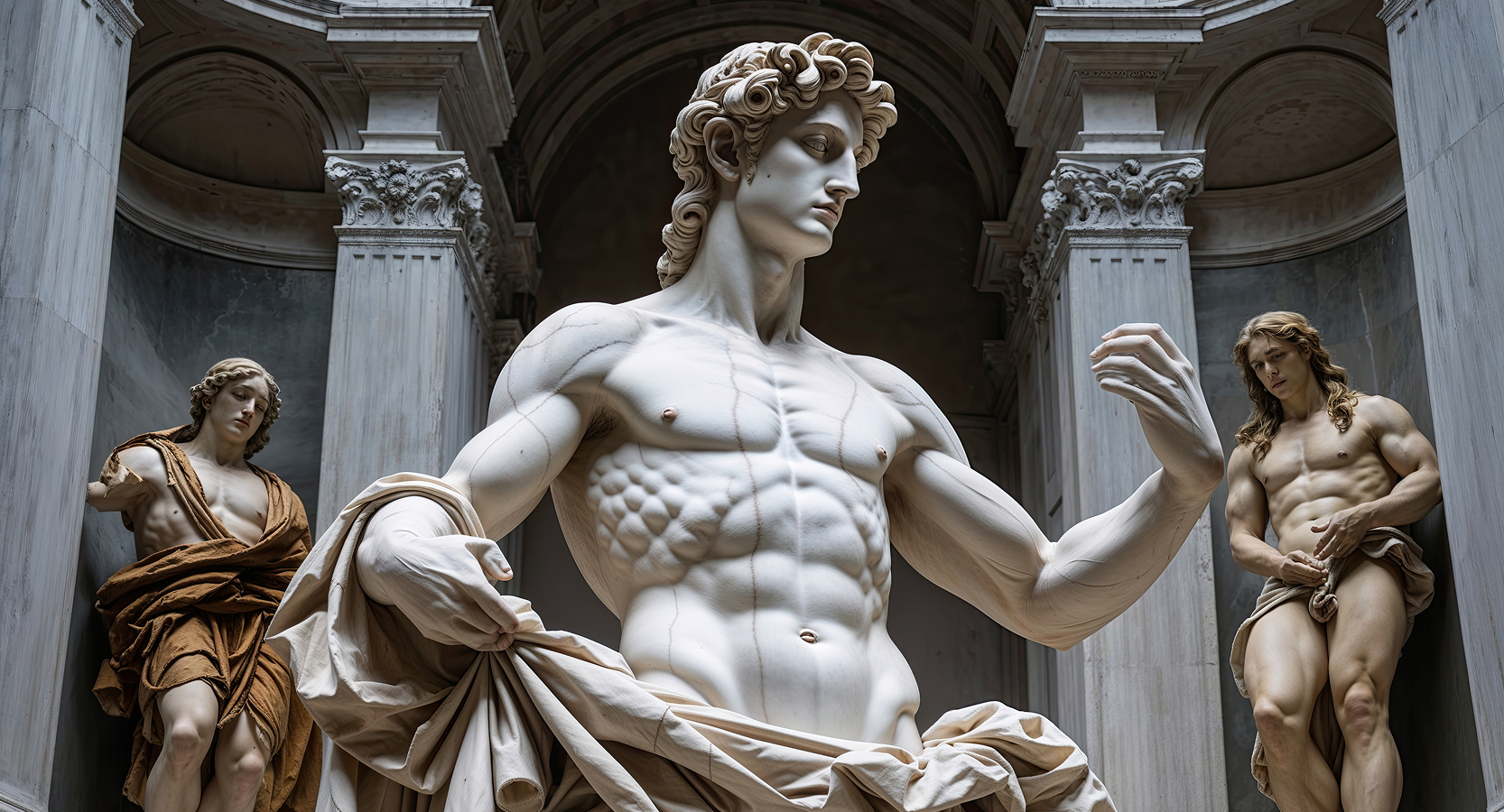
Fun facts about Florence, Italy.
Florence is built on layers of history, innovation, and artistic revolution so deep they still shape the modern world, but much of it hides in plain sight.
The city's iconic skyline, dominated by Brunelleschi's dome, represents one of the greatest engineering feats in human history, a structure built without scaffolding, cranes, or precedent, using techniques that scholars still debate. Beneath Florence's streets lies an ancient Roman city grid, remnants of bathhouses, mosaics, and forgotten passageways that predate the Renaissance by more than a millennium. The Arno River, serene today, once dictated the rise and fall of entire districts, its floods influencing architecture, trade, and even the survival of priceless artworks. Florence's artistic legacy goes far beyond what hangs in the Uffizi: many masterpieces remain tucked inside lesser-known chapels, private courtyards, and unmarked rooms where frescoes glow under soft light. The city is also a living archive of artisanal tradition, goldsmiths on the Ponte Vecchio using techniques unchanged for centuries, leather workshops tanning hides with ancient recipes, and mosaicists cutting stone so precisely it appears painted. Even Florence's air holds traces of its past: the scent of wood-fired ovens, church incense, river mist, and sun-warmed stone. And while millions visit the city each year, most never notice the tiny medieval towers hidden between palazzi, the symbolic carvings on doorframes, or the astronomical meaning behind the city's layout. Florence rewards those who look closer, revealing a history far deeper than its postcard beauty.
Five fun facts.
5. The piano was invented here.
Bartolomeo Cristofori, a Florentine instrument maker, created the very first piano in the early 1700s, right in the city that already gave us Michelangelo, Botticelli, and Dante.
4. Florence was the first city in Europe with paved streets.
As early as 1339 had paved roads, making it a literal step ahead of most of Europe in urban planning and infrastructure.
3. The Duomo's dome was built without scaffolding.
Brunelleschi's dome atop the Florence Cathedral was a feat of engineering genius, built in the 1400s without scaffolding, using a herringbone brick pattern that still puzzles architects today.
2. It once banned fancy clothes.
In the 14th century passed sumptuary laws limiting how extravagantly people could dress, in an attempt to keep wealth displays in check. Florentines, of course, found subtle ways to flex anyway.
1. The Medici family financed nearly every major Renaissance artist.
Michelangelo, Leonardo da Vinci, Donatello, all had ties to the Medici, the powerful banking family who quietly orchestrated the artistic explosion of the Renaissance from behind the scenes.
Where your story begins.
Start your planning journey with Foresyte Travel.
Experience immersive stories crafted for luxury travelers.