Fun facts about Napa Valley, California.
Napa Valley is built on layers, geological, historical, agricultural, each one shaping the valley's soul long before the first Cabernet found its way into a barrel.
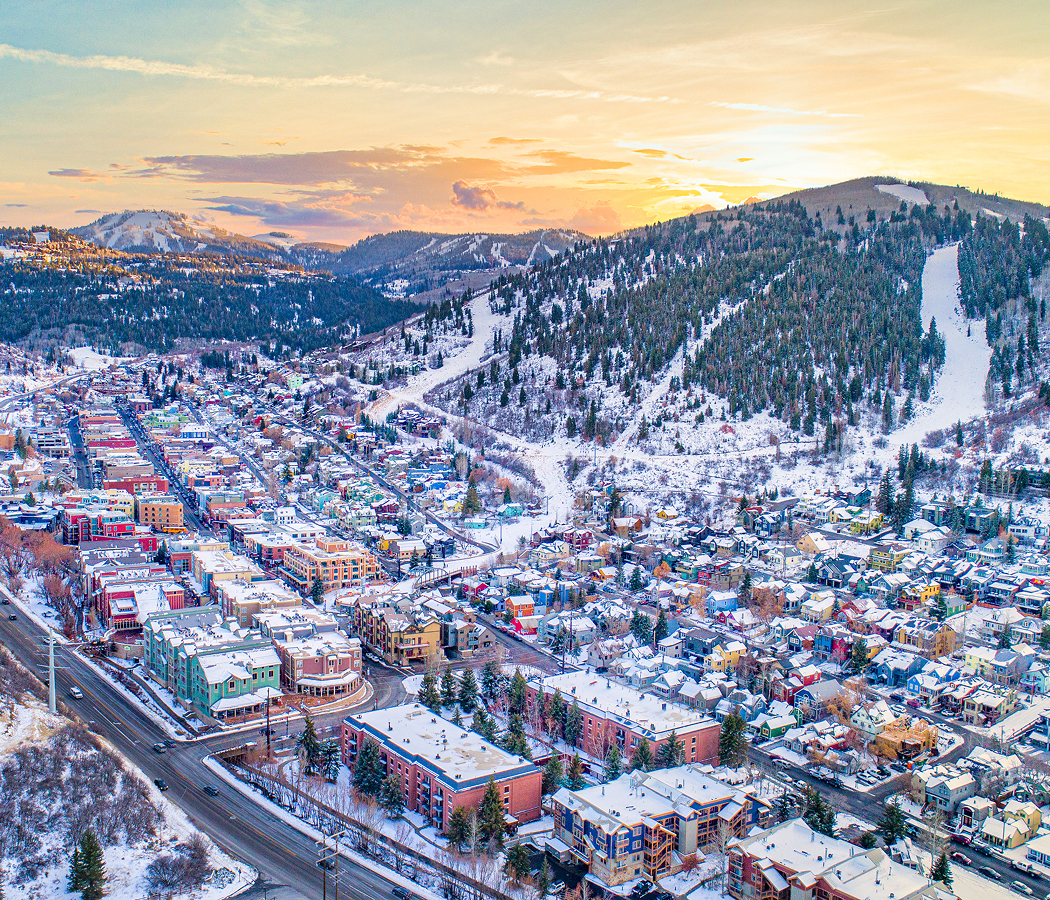
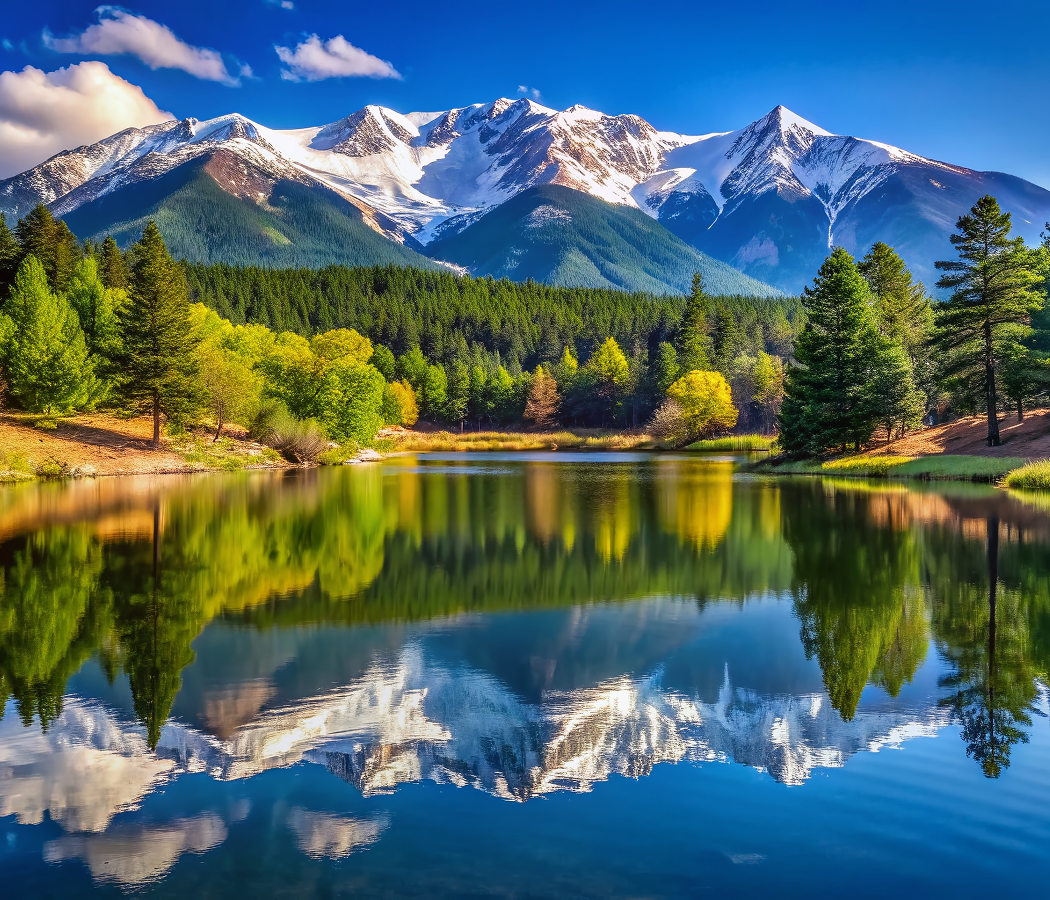
The entire region sits in a cradle formed by two mountain ranges: the Mayacamas to the west and the Vaca Range to the east. These ridgelines don't just frame the valley, they create it. They control the wind, the sunlight, the soil temperatures, the fog patterns, and the exact expression of every grape grown here. Napa's famous microclimates are not a myth; they're a phenomenon. A vineyard two miles down the road can feel like a different world entirely, producing fruit with its own distinct personality and structure. And before the valley became synonymous with wine, it held centuries of natural abundance, hot springs used by Indigenous tribes, volcanic deposits that enriched the soil, and early settlers who realized this land could sustain more than just crops: it could sustain a way of living. The modern wine boom didn't begin until the 1976 Judgment of Paris, when a handful of Napa winemakers shocked the world by beating France's elite in a blind tasting. Overnight, the valley shifted from rural agricultural secret to global luxury pilgrimage. Yet beneath all the acclaim, Napa remains deeply connected to its roots, winemakers who still walk their vines at sunrise, families who've tended the same plots for generations, volcanic soil that still gives structure and depth to every bottle. The valley isn't just beautiful; it's ancient, alive, and fiercely built on craft.
Five fun facts.
5. Napa's wine wasn't always world-class.
Before the 1976 Judgement of Paris wine was largely dismissed internationally, until a blind tasting stunned French judges and changed history.
4. There's a castle hiding in plain sight.
Castello di Amorosa is a fully operational winery built to mimic a 13th-century Tuscan castle, complete with towers, a moat, and even a torture chamber.
3. It's more than just wine country.
Napa Valley is home to more than 400 wineries, but it also boasts Michelin-starred restaurants, hot air balloon rides, and a thriving local art scene.
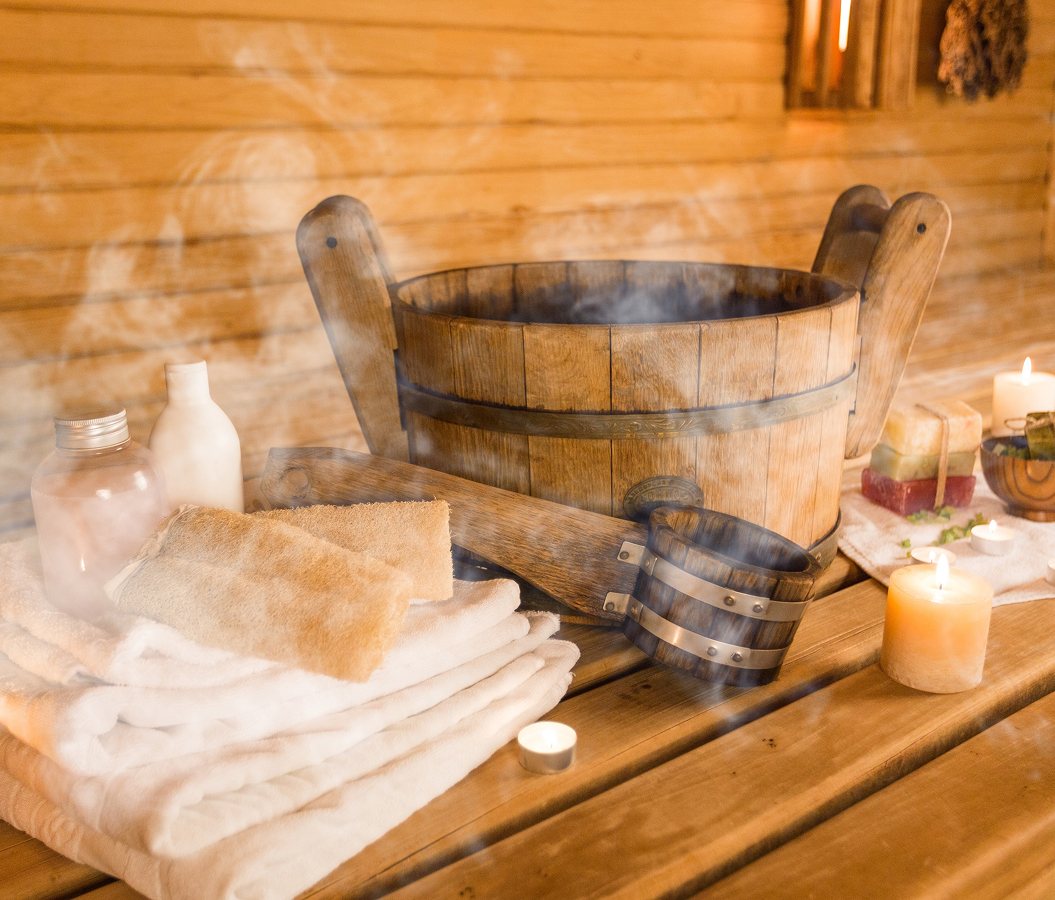
2. Hot springs once made Napa a wellness destination.
Before the wine boom's geothermal waters drew visitors from across the country seeking healing and rejuvenation.
1. The valley was once underwater.
Napa's fertile soil owes its richness to a prehistoric inland sea, which left behind the perfect conditions for growing world-class grapes.
Where your story begins.
Start your planning journey with Foresyte Travel.
Experience immersive stories crafted for luxury travelers.