Fun facts about Mexico City, Mexico.
Mexico City is far more intimate than its size suggests, a city of quiet rituals, hidden spaces, and moments of calm that exist just beneath its bold exterior.
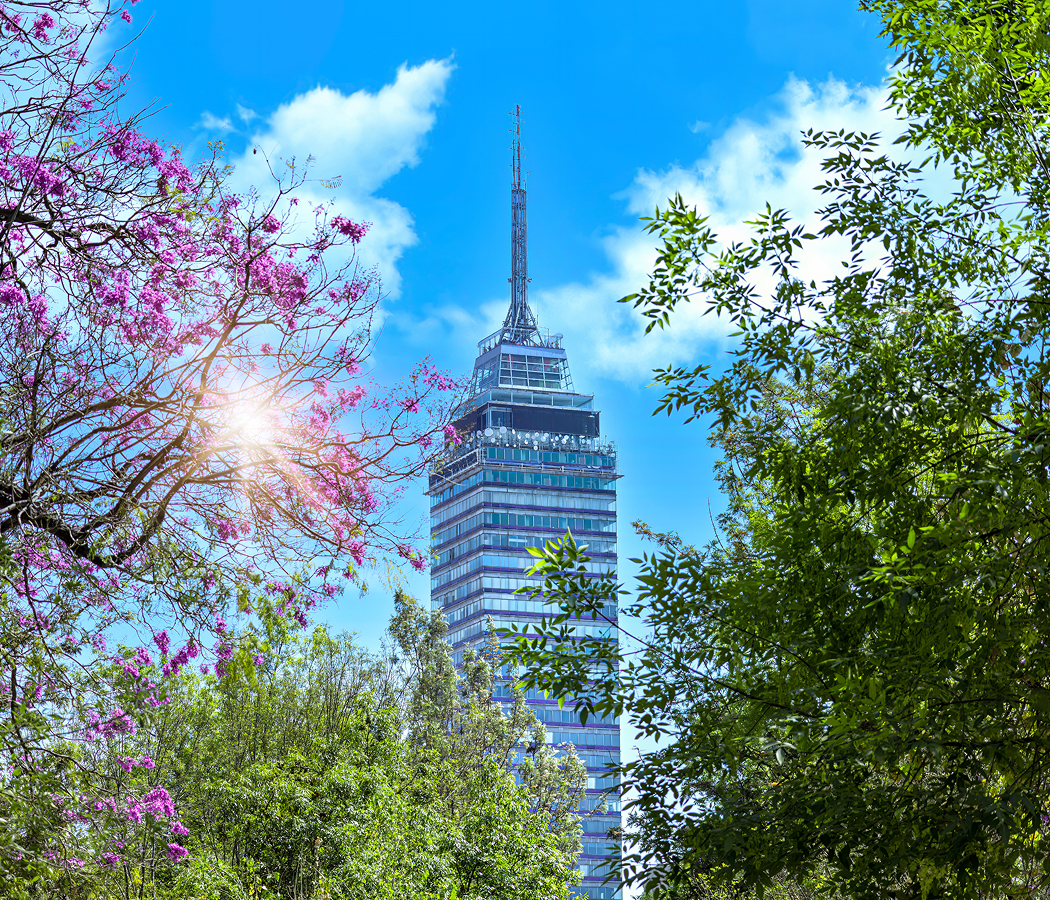
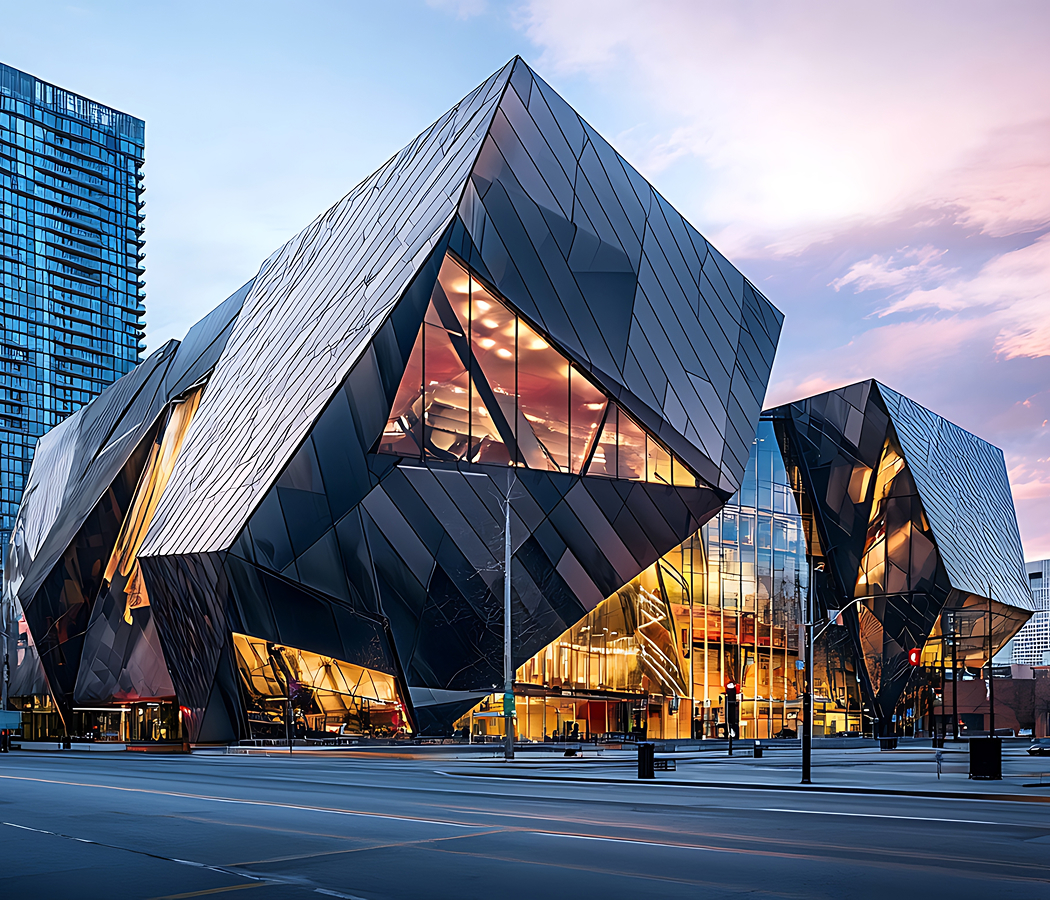
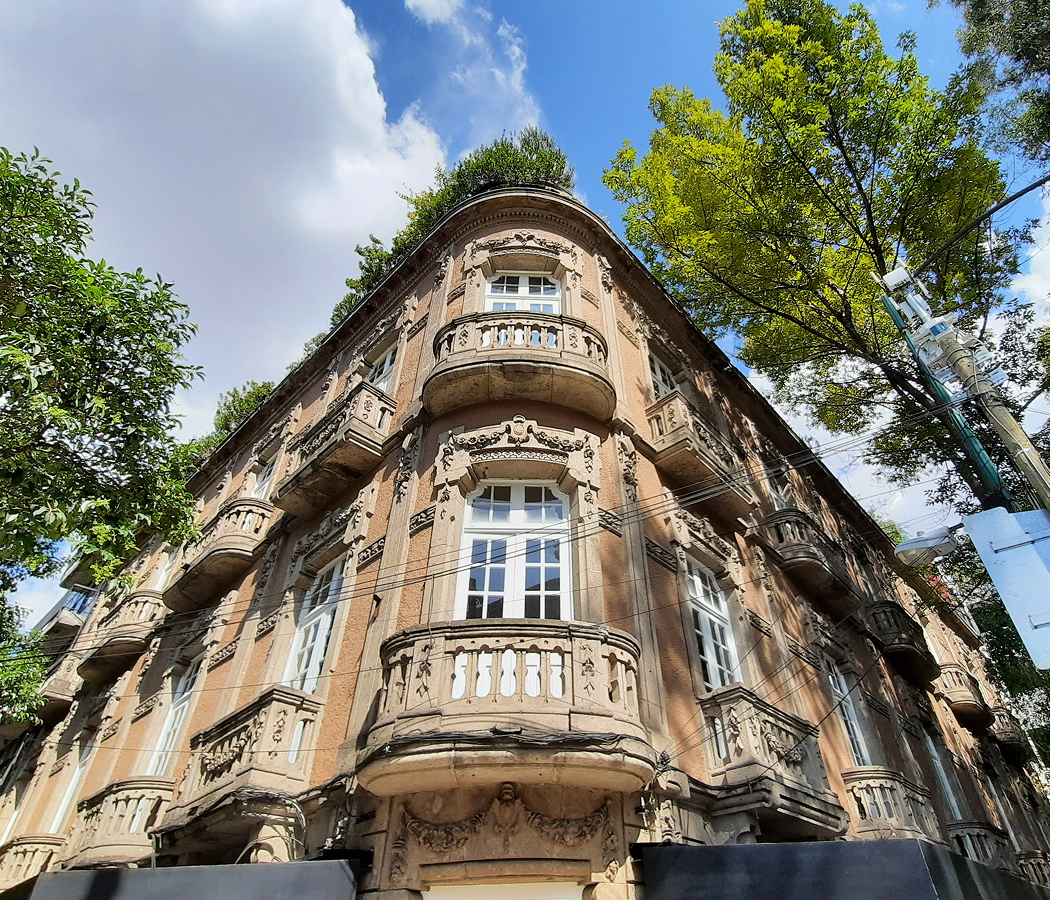
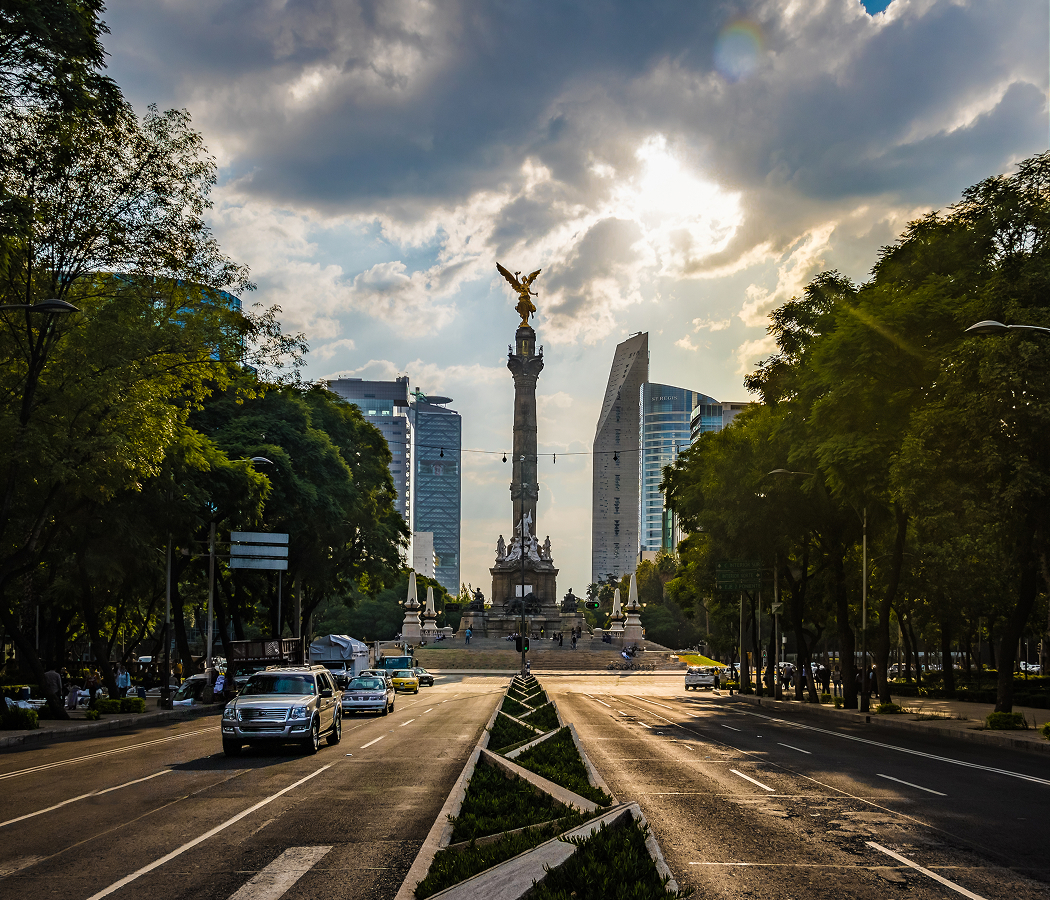
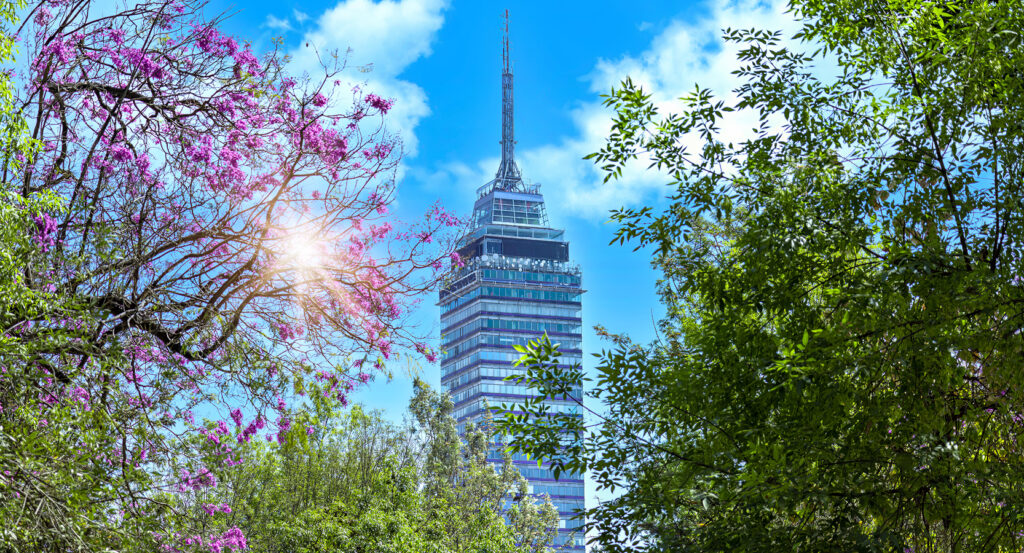
What often surprises visitors is how personal the city feels once you slow down enough to notice it. Behind heavy wooden doors are tranquil courtyards filled with light and greenery. Morning routines unfold softly in neighborhood bakeries and cafés, where locals linger over coffee and conversation as if time has agreed to wait. The city is also profoundly intellectual. Libraries, universities, and cultural institutions are woven into everyday life, not separated from it. Conversations here lean thoughtful, curious, and expressive. History isn't treated as a backdrop, it's actively engaged with, questioned, and reinterpreted through art, literature, and design. You'll find contemporary architecture rising confidently beside centuries-old structures, neither competing, both coexisting. Another quiet truth is how deeply green Mexico City is. Parks and tree canopies soften the urban landscape, creating breathing room in unexpected places. Chapultepec alone feels like a city within a city, offering space to wander, reflect, and reset. And despite its intensity, Mexico City carries a warmth that reveals itself through generosity, in shared meals, recommendations offered freely, and a sense that visitors are welcomed not as spectators, but as participants. This is a city that rewards curiosity. The more you lean in, the more it gives back, not in spectacle alone, but in texture, nuance, and an enduring sense of connection.
Five fun facts.
5. Mexico City was built on a lake.
The ancient Aztec city of Tenochtitlán sat atop Lake Texcoco, and modern CDMX is still slowly sinking as a result.
4. It's the second city in the world with the most museums.
Only London has more, and CDMX's count tops 150, ranging from Diego Rivera murals to museums dedicated to chocolate and tequila.
3. The city has its own floating gardens.
In Xochimilco, colorful boats drift through ancient canals, where you can still see the chinampa farming technique used by the Aztecs.
2. Mexico City is at a higher altitude than Denver.
At 7,350 feet, it's one of the highest major cities in the world, which might explain why that first mezcal hits hard.
1. CDMX has a legal sound called “el sonido de la ciudad.”
Street vendors blast a unique whistle, authorized by the government, to sell tamales, gas, or even filtered water in local neighborhoods.
Where your story begins.
Start your planning journey with Foresyte Travel.
Experience immersive stories crafted for luxury travelers.