Fun facts about Amsterdam, Netherlands.
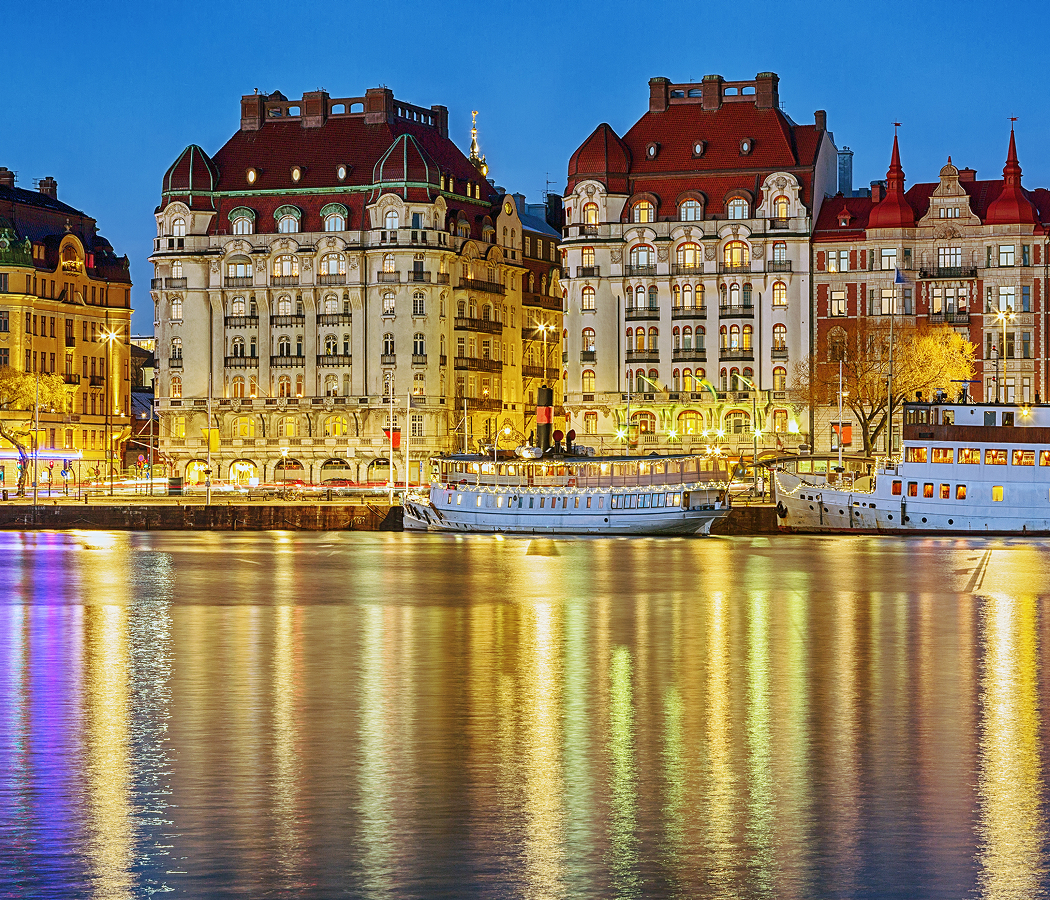
Amsterdam sits on a foundation of engineering brilliance, layered history, and quiet cultural complexity that most visitors never see, a city quite literally built on water, innovation, and centuries of reinvention.
The entire canal ring, now UNESCO-listed, was an extraordinary 17th-century urban planning feat: concentric waterways dug by hand, stabilized with millions of wooden piles driven deep into soft peat. Many of Amsterdam's iconic narrow homes stand on these centuries-old timbers, floating, in a sense, on a man-made system that keeps the city in perfect balance. Beneath your feet is a hidden world: medieval canals now buried, underground locks and pumps, and one of the most advanced water-management systems on Earth. Amsterdam's cultural mosaic is equally fascinating. Its Golden Age brought not only wealth but global ideas, merchants, cartographers, philosophers, artists, making the city an early hub of tolerance, intellectual freedom, and international trade. The Dutch façades you see today reflect this richness: ornate neck gables crafted by artisans, warehouse windows designed for hoisting goods, and narrow structures built to minimize historic property taxes based on width. Even the city's museum culture carries deep currents, from Rembrandt's intimate self-portraits to Van Gogh's restless brushwork, from modern design houses to the Anne Frank House, where history becomes deeply personal. And the canal ecology is surprisingly alive: fish corridors, freshwater mussels that keep the water clear, and swan nesting zones that locals quietly protect. Amsterdam appears effortless, but its beauty is the result of centuries of engineering, artistry, and care.
Five fun facts.
5. The city was built on wooden poles.
Amsterdam is constructed on a swamp, and the entire city rests on millions of wooden poles driven deep into the wet soil. Many 17th-century buildings still stand steady on timber foundations, proof that ingenuity has always been part of the Dutch way.
4. The canals are deeper than they seem.
On average's canals are three meters deep, one meter of water, one meter of mud, and one meter of lost bikes. Over 12,000 bicycles are fished out every year, a strange but true symbol of the city's chaotic elegance.
3. There's a house only one meter wide.
At 7 Singel, you'll find one of the narrowest houses in the world, just over a meter wide at the front. Originally built to dodge a property tax based on width, it's a playful reminder of the city's architectural creativity (and frugality).
2. Amsterdam has more bridges than Venice.
With over 1,200 bridges crossing 165 canals outnumbers Venice by far. And unlike Venice, many of these bridges are still used for everyday travel, by foot, bike, tram, or a well-timed leap of faith.
1. The Dutch royal palace was once a city hall.
Standing grand in Dam Square, the Koninklijk Paleis wasn't always royal. It started as Amsterdam's city hall in the 17th century, a “palace for the people” filled with marble, symbolism, and civic pride. It wasn't claimed by royalty until Napoleon's brother took over in 1806.
Where your story begins.
Start your planning journey with Foresyte Travel.
Experience immersive stories crafted for luxury travelers.