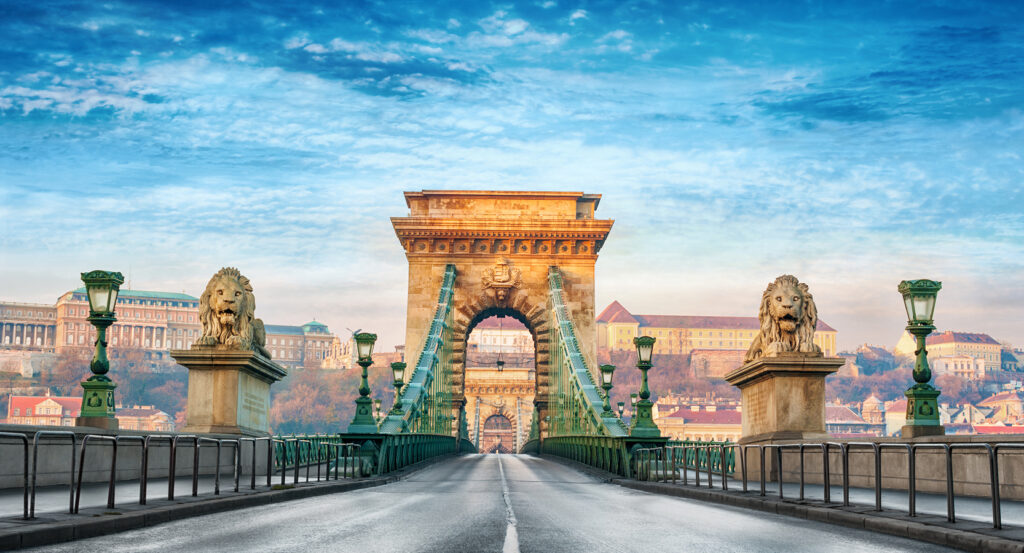
Fun facts about Budapest, Hungary.
Budapest's beauty is undeniable, but what most travelers don't realize is how deeply its magic is woven into volcanic geology, ancient healing culture, and a century-spanning tug-of-war between destruction and reinvention.
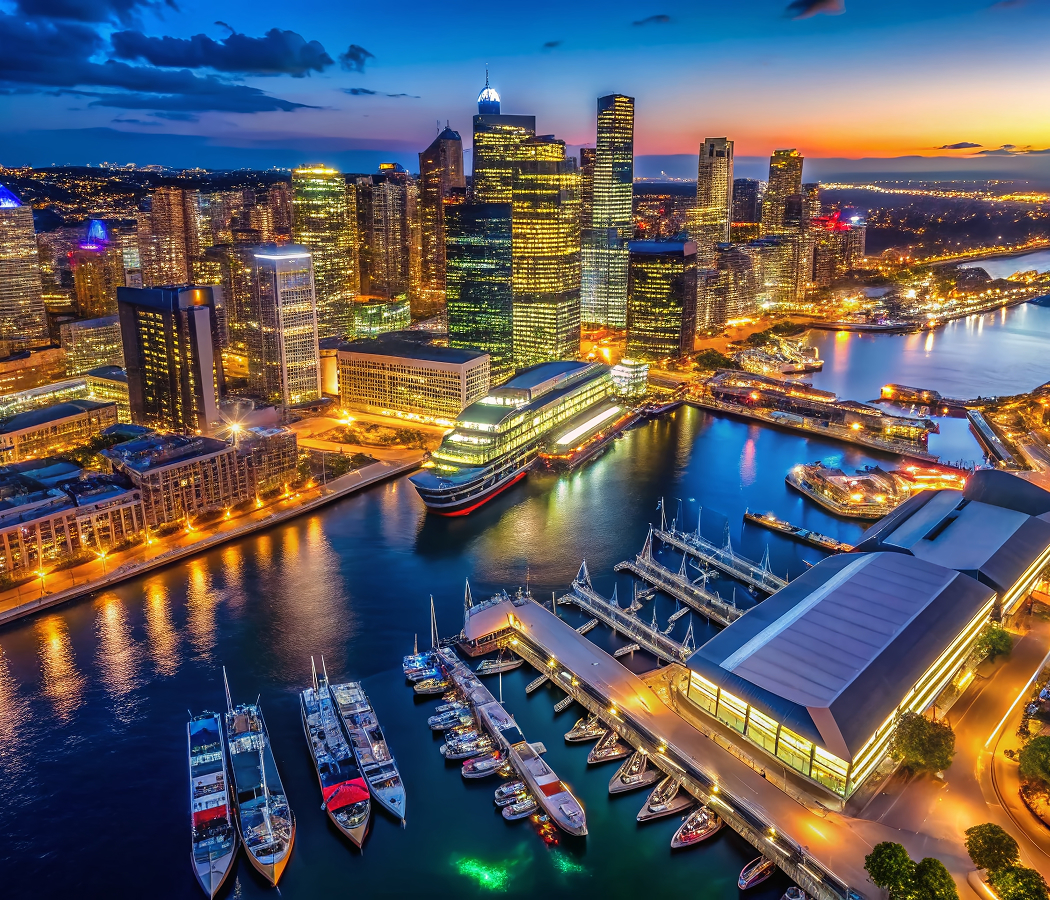
The thermal baths aren't just for relaxation, they sit atop one of the most active geothermal systems in Europe, with over a hundred hot springs feeding pools that have been used for healing since Roman times. The city itself used to be three separate towns, Buda, Óbuda, and Pest, each with its own personality and topography, and their unification in 1873 created the duality you feel today: the hilly, castle-studded quiet of Buda versus the energetic, café-lit hum of Pest. Beneath the streets lies a vast labyrinth of caves formed by the same hot springs that feed the baths, including passages once used as wartime shelters, wine cellars, and rumored medieval prisons. Even the iconic Parliament building carries hidden stories: it's perfectly symmetrical on the outside, but intentionally asymmetrical within, symbolizing the coexistence of order and chaos across Hungarian history. Budapest's ruin bars, now iconic, began as an act of creative rebellion in abandoned buildings after the fall of communism, a way of reclaiming neglect with color, art, and communal energy. And the Danube itself, calm and silver in the daytime, has shaped every era of the city's identity, from trade routes to battles to quiet riverside poetry at dusk. Budapest isn't just beautiful on the surface, it's a layered, breathing archive of fire, water, resilience, and reinvention.
Five fun facts.
5. It's technically two cities in one.
Buda and Pest were once entirely separate cities, split by the Danube. They didn't unite until 1873, but their personalities still feel distinct, Buda with its hills and castles, Pest with its buzz and boulevards.
4. The city has more thermal springs than any other capital in the world.
Budapest sits atop over 100 thermal springs, earning it the nickname “City of Spas.” You can literally soak in centuries of wellness, from Roman-style pools to Art Nouveau bathhouses like Gellért.
3. The Parliament building is perfectly symmetrical, but only one side is used.
Hungary's jaw-dropping Parliament building has identical north and south wings. But today, only the southern side is used by lawmakers. The other side is just for show.
2. Budapest was home to one of the world's first metro lines.
Line 1 of the Budapest Metro opened in 1896, making it the second-oldest subway system in the world (after London) and the very first on the European continent.
1. “Ruin bars” were born from abandoned buildings after communism fell.
Instead of tearing down war-damaged or neglected buildings locals transformed them into vibrant, graffiti-covered bars and cultural hubs, turning decay into creativity.
Where your story begins.
Start your planning journey with Foresyte Travel.
Experience immersive stories crafted for luxury travelers.