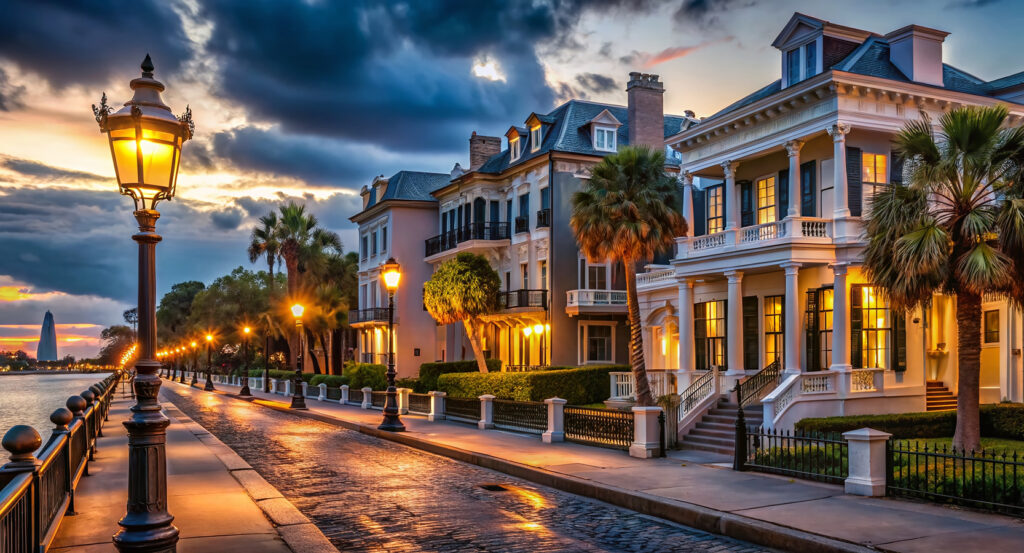
How to fold Charleston, South Carolina into your trip.
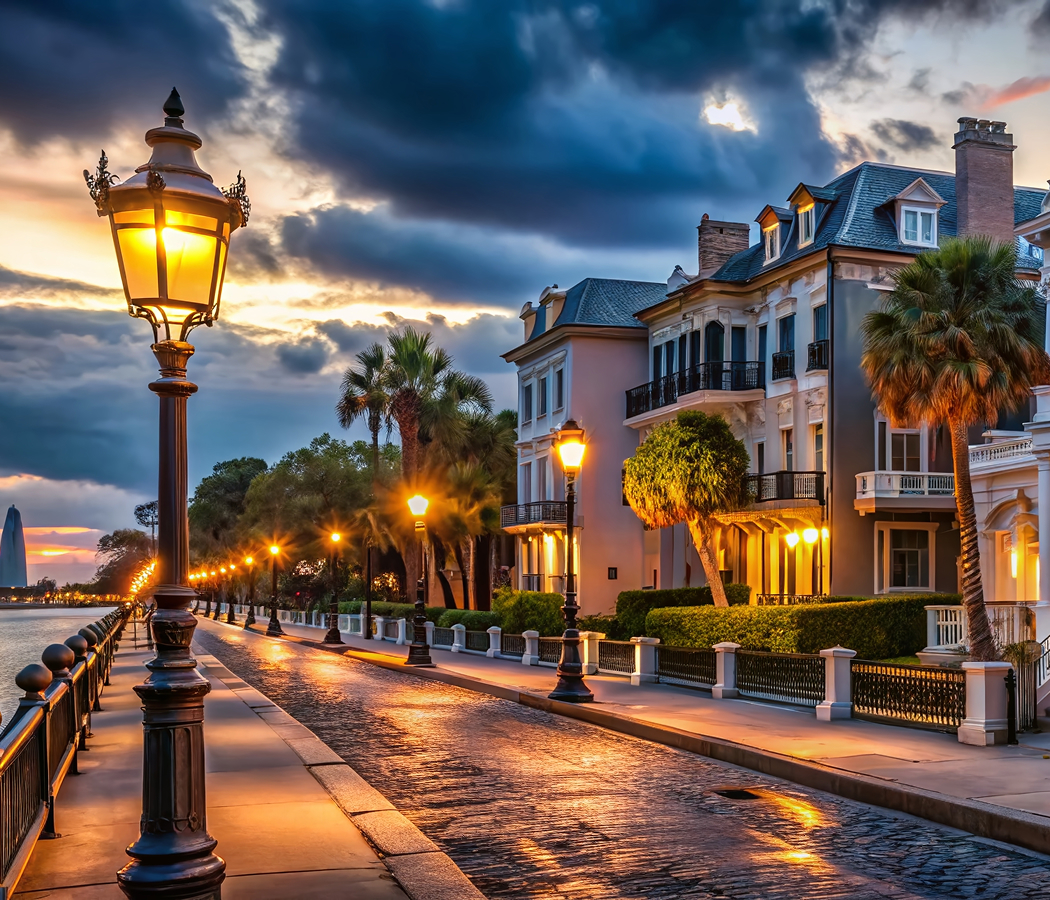
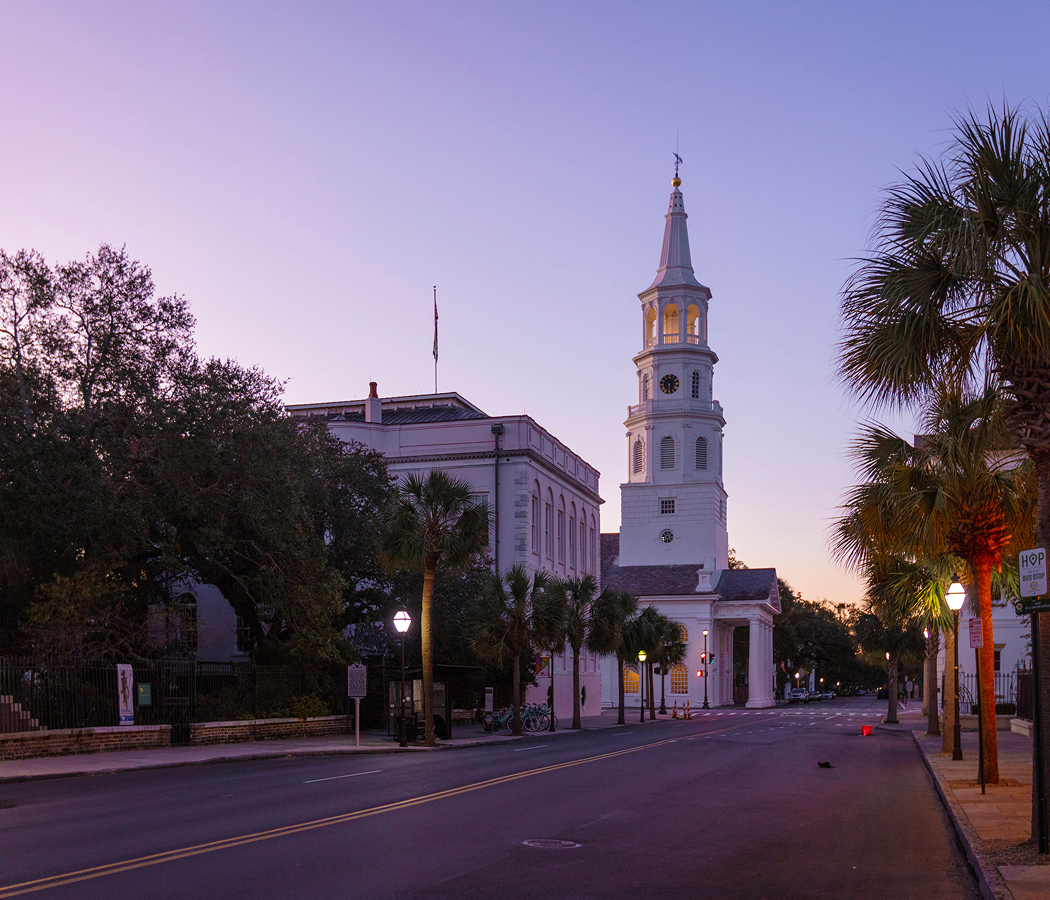
Charleston carries a depth far beyond its postcard beauty, layered with maritime history, preserved architecture, emotional memory, and ecosystems found almost nowhere else on the East Coast.
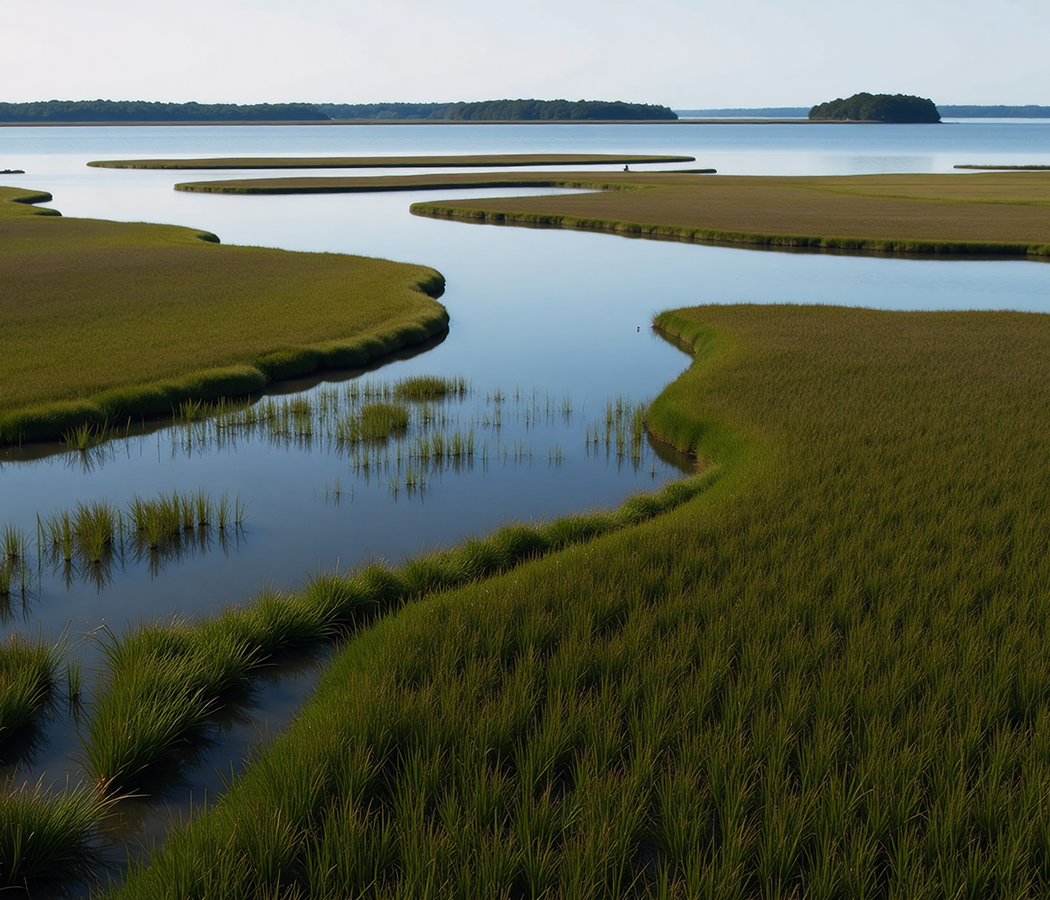
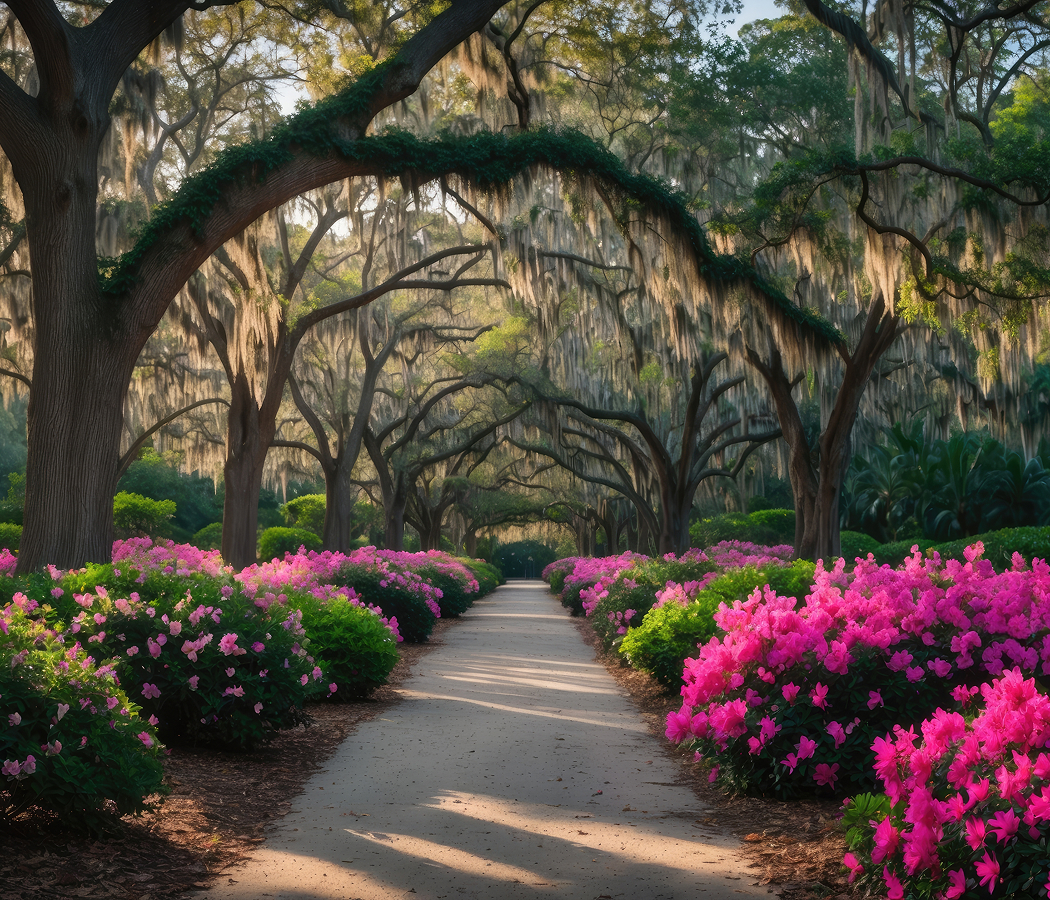
The city's layout still reflects its 17th-century origins: narrow streets designed for coastal winds, defensive walls that once protected a young colony, and preserved districts that survived fires, wars, and hurricanes. Beneath its charm lies a profound cultural heritage shaped by Gullah-Geechee traditions, deep-rooted craftsmanship, and centuries of African influence that permeate Charleston's language, cuisine, spirituality, and artistry. The city sits along a rare confluence of tidal marsh, river delta, and barrier islands, creating a vibrant natural world of dolphins threading through the harbor, herons stalking marsh grasses, and barrier beaches shifting subtly with every tide. Even the iconic moss-draped oaks tell a story, thriving in Charleston's subtropical humidity, anchoring soil layers that date back hundreds of years. Charleston is a place where history isn't tucked behind glass, it lives in the streets, the flavors, the music, and the warm cadence of voices that fill its markets and porches.
Five fun facts.
5. Rainbow Row was once completely abandoned.
Now one of the city's most photographed spots's pastel homes were neglected and crumbling before a 1930s preservation effort brought them back to life.
4. America's first theater was built here.
The Dock Street Theatre, originally opened in 1736, is considered the first structure in the U.S. built exclusively for theatrical performances.
3. Pineapples are everywhere, and they mean something.
Charleston's pineapples aren't just cute decor, they're long-standing symbols of hospitality and welcome, dating back to the city's early maritime history.
2. The city's iconic benches tell their own story.
Those S-shaped wrought iron benches you'll spot in hidden gardens? They're designed that way so couples could sit close, but not too close.
1. Charleston was once America's wealthiest city.
Thanks to rice, indigo, and a thriving port, 18th-century Charleston was the richest city in the American colonies, a legacy still visible in its architecture.
Where your story begins.
Start your planning journey with Foresyte Travel.
Experience immersive stories crafted for luxury travelers.