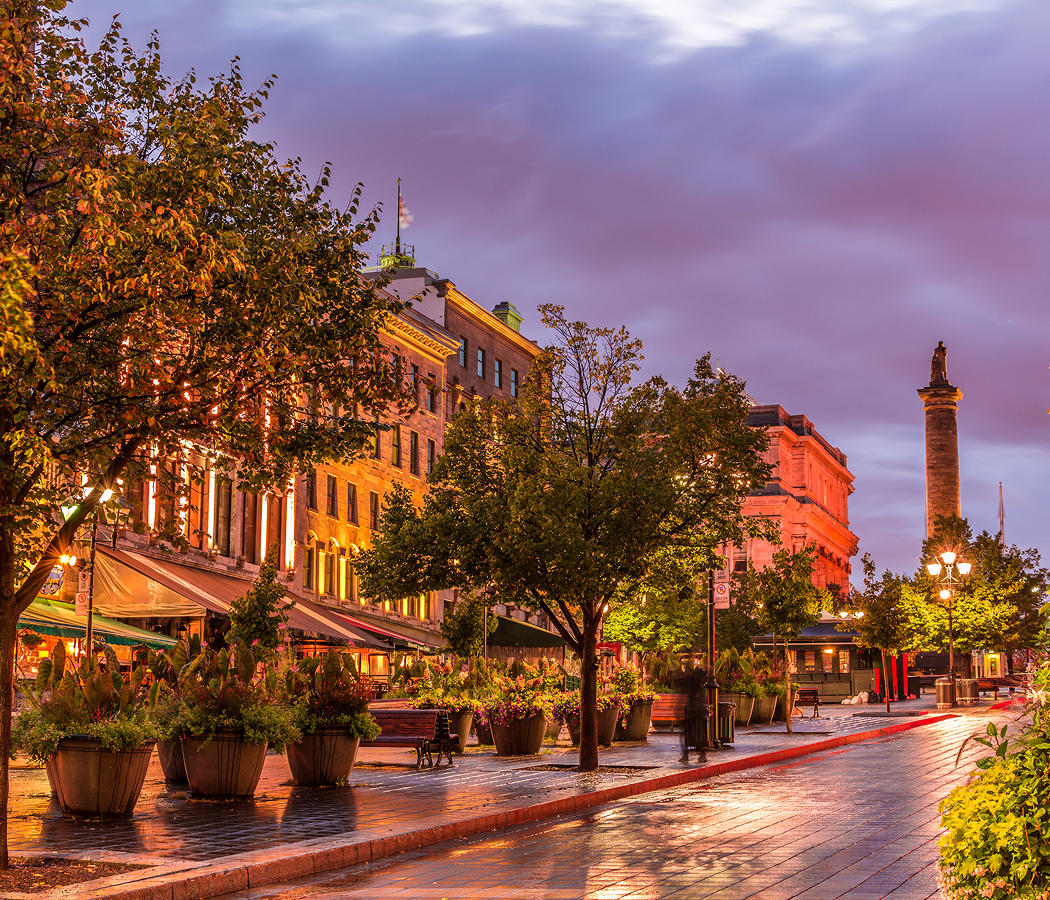
Fun facts about Chicago, Illinois.
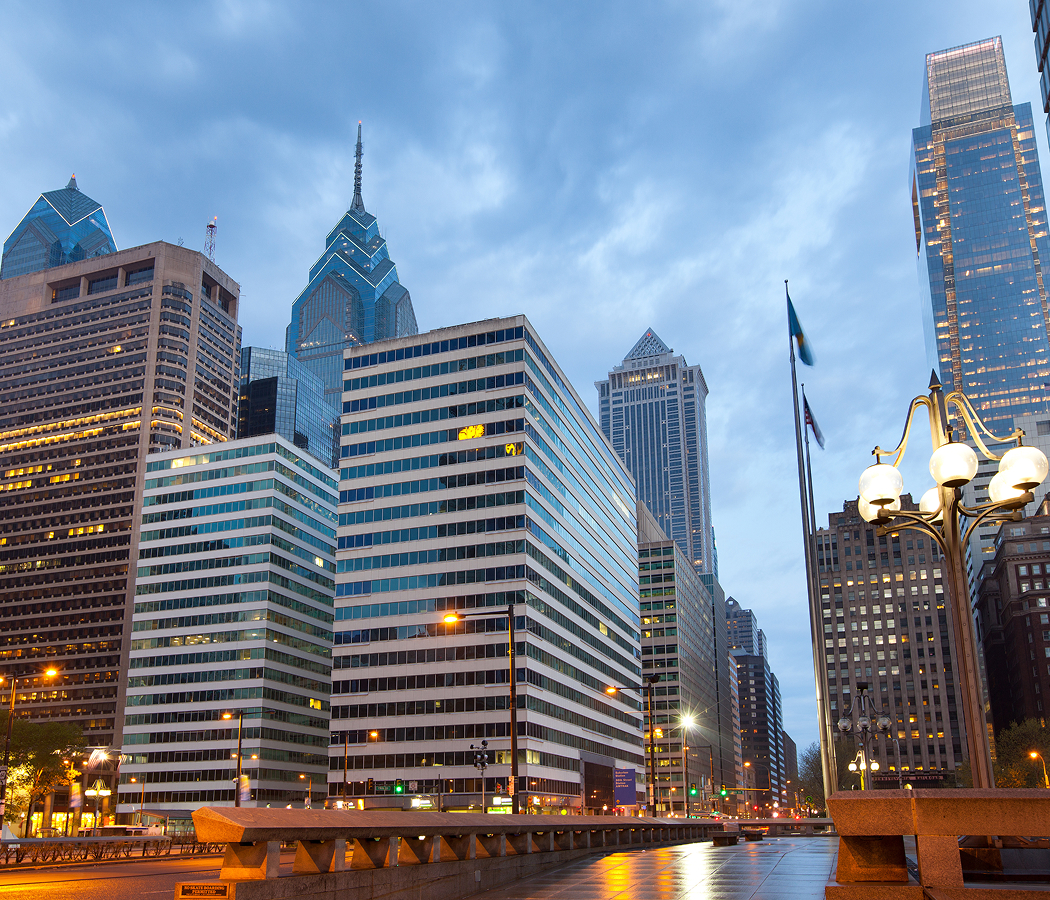
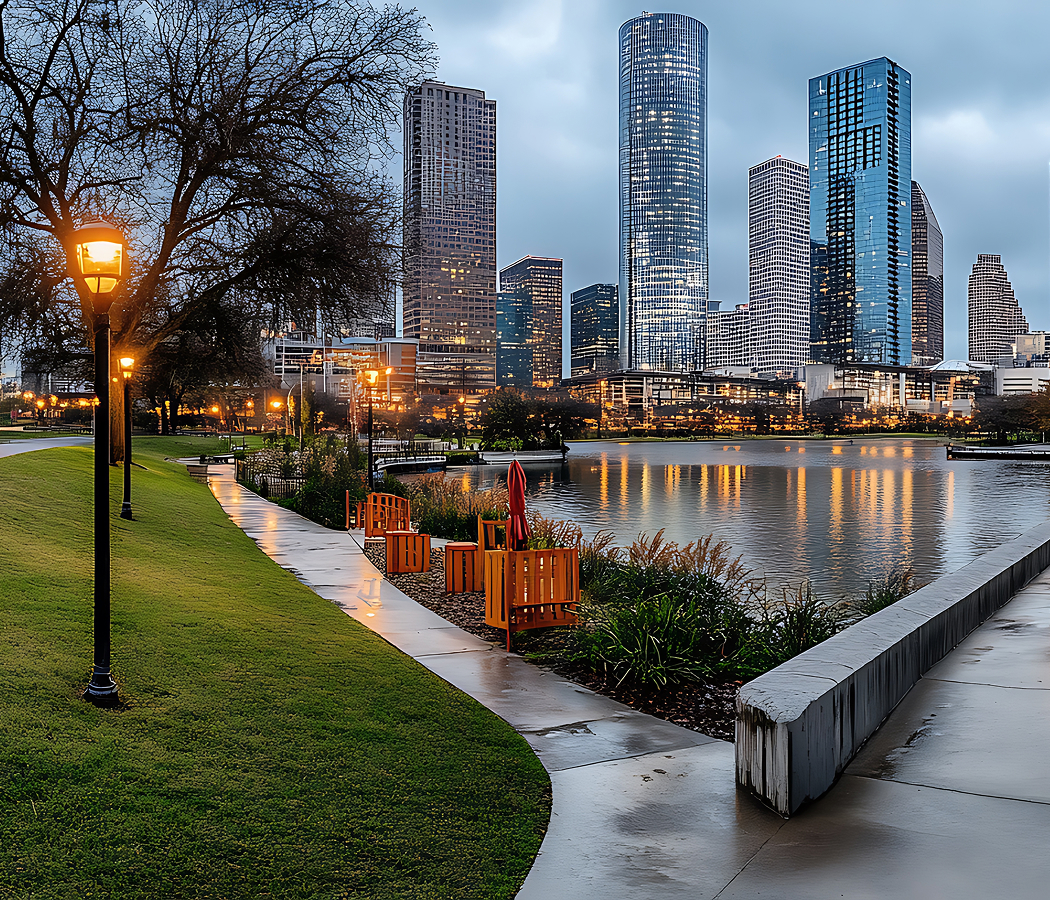
Chicago sits on a foundation of reinvention, innovation, and surprising natural wonder, a city shaped by ambition, engineering brilliance, and a lake that behaves like a sea.
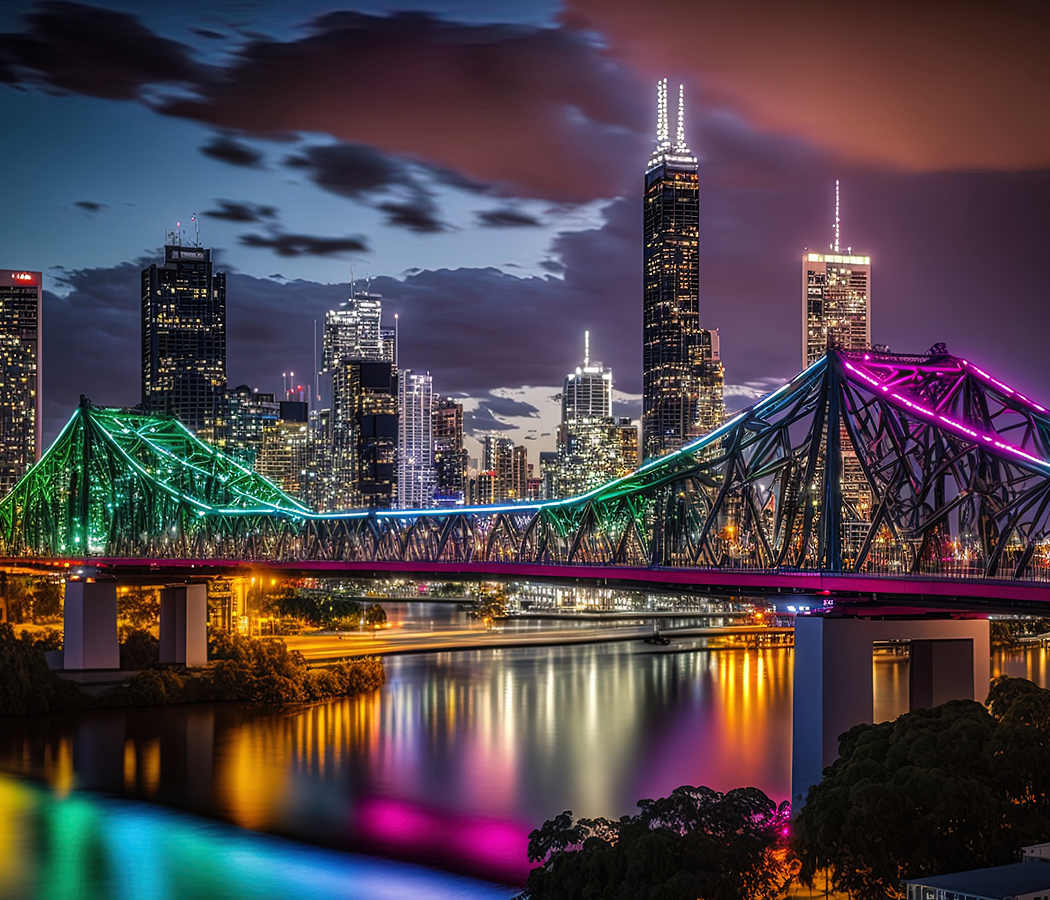
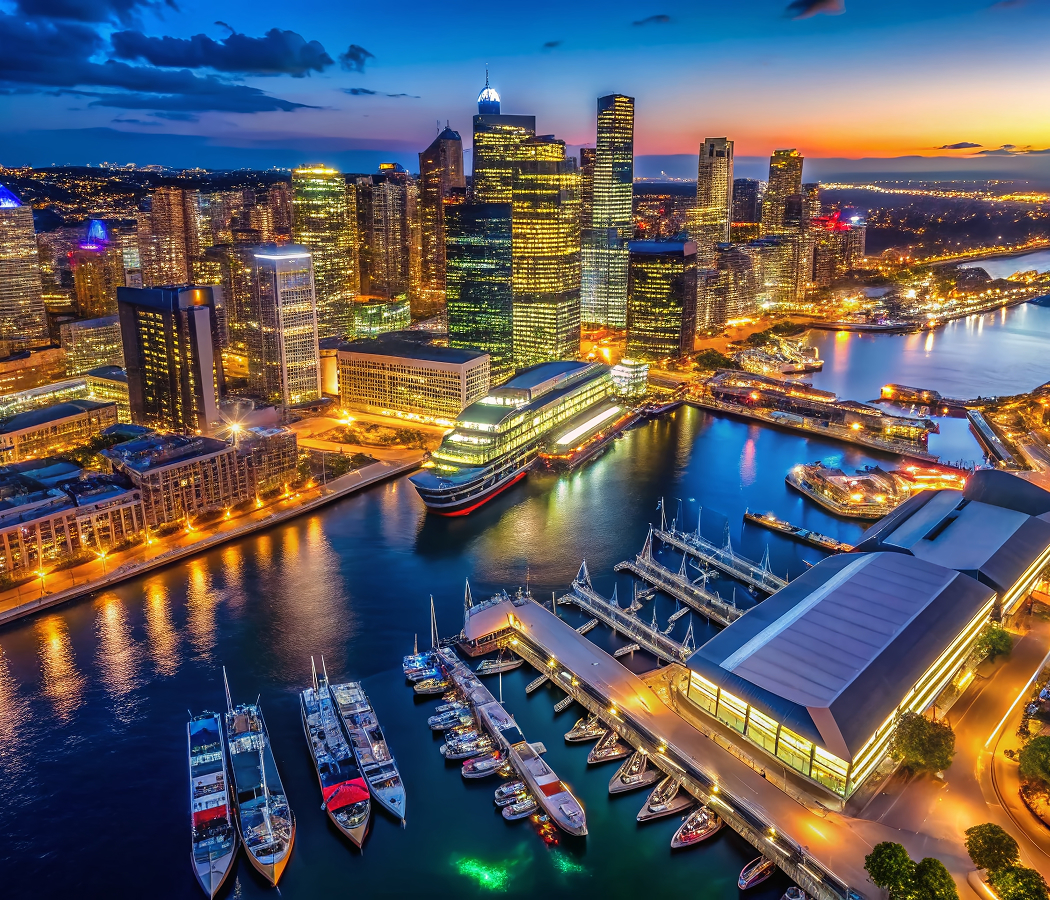
The Chicago River famously flows backward, reversed in 1900 through one of the most ambitious engineering feats in American history to protect the city's water supply. The lakefront is intentionally public: protected by law since 1836 so that all Chicagoans, not private developers, could claim the shoreline. Beneath the streets lie layers of history: freight tunnels from the early 1900s, remnants of the world's first skyscraper era, and the quiet imprint of the Great Chicago Fire that forced the city to rebuild and rethink from the ground up. Chicago has one of the highest concentrations of early modern architecture on the planet, thanks to names like Sullivan, Wright, and Mies van der Rohe shaping its DNA. Even the food scene has academic roots, the city pioneered the birth of the modern steakhouse, elevated street hot dogs into a cultural emblem, and fostered Michelin-level dining long before it became a trend. The wind that moves through the city isn't named for the weather, “Windy City” originally referred to the gust of political rhetoric in the late 1800s. And in winter, the lake creates its own weather systems: lake-effect snow, ice formations along the shore, and surreal frozen waves that look sculpted. Chicago isn't just a big city, it's a place where engineering, culture, and natural forces collide in surprising, fascinating ways.
Five fun facts.
5. Chicago reverses a river every single day.
In one of the most daring engineering feats of the 20th century, the flow of the Chicago River was permanently reversed to protect drinking water, and it's still manually maintained today.
4. The city's nickname has nothing to do with the weather.
“The Windy City” was actually coined by 19th-century journalists mocking boastful local politicians, not the breezes off Lake Michigan.
3. Chicago is home to the nation's only river dyed green.
Each year for St. Patrick's Day, the Chicago River turns a vibrant emerald, a tradition started in the 1960s and still going strong, thanks to a top-secret dye formula.
2. The world's first skyscraper was built here.
In 1885, the Home Insurance Building rose ten stories into the sky, forever changing urban architecture, and kicking off Chicago's legacy as a skyline innovator.
1. Chicago has more bridges than any other city.
With over 180 bridges (many of them drawbridges), the city's infrastructure is as iconic as its skyline, and often raised daily for river traffic.
Where your story begins.
Start your planning journey with Foresyte Travel.
Experience immersive stories crafted for luxury travelers.