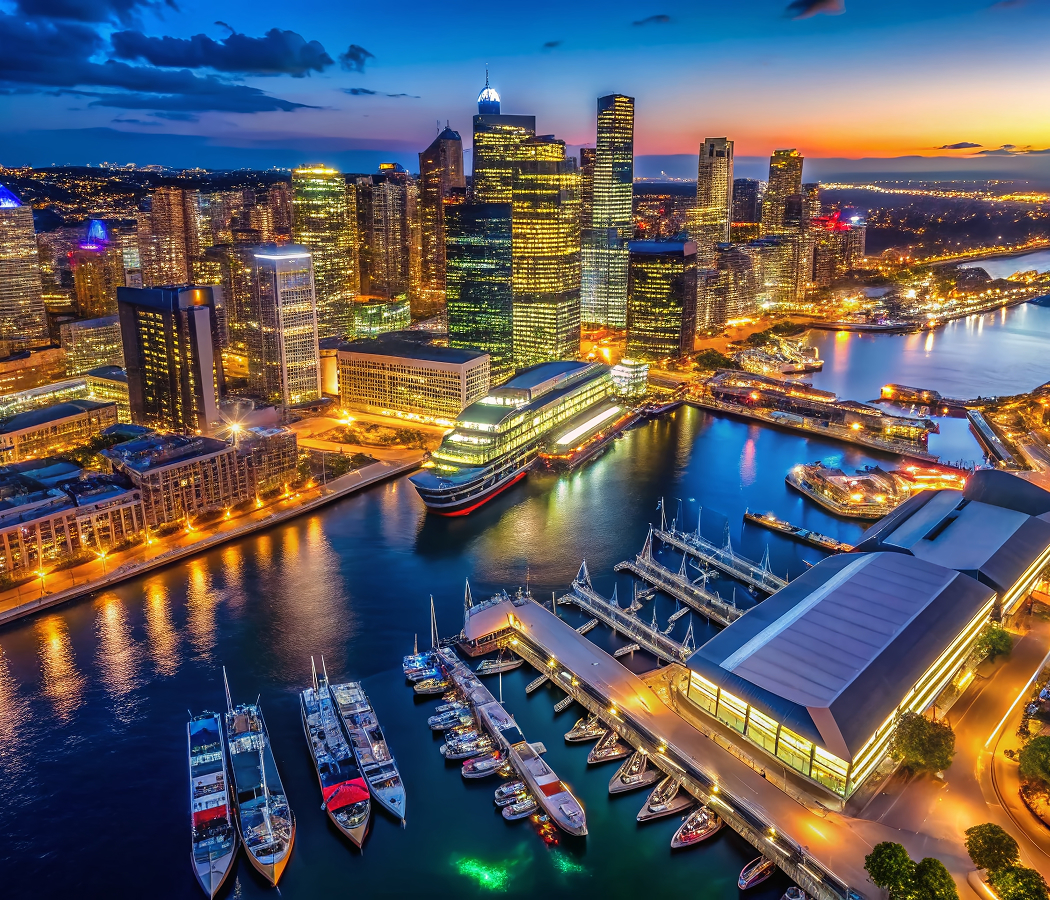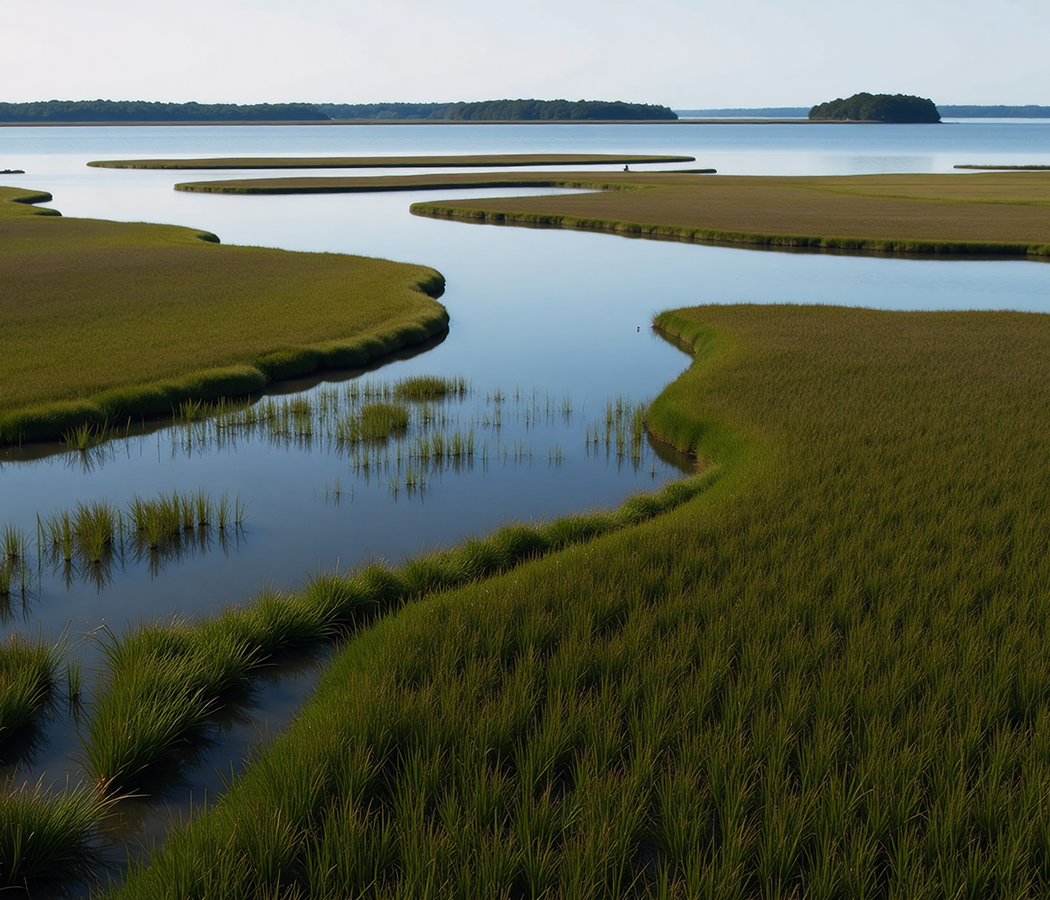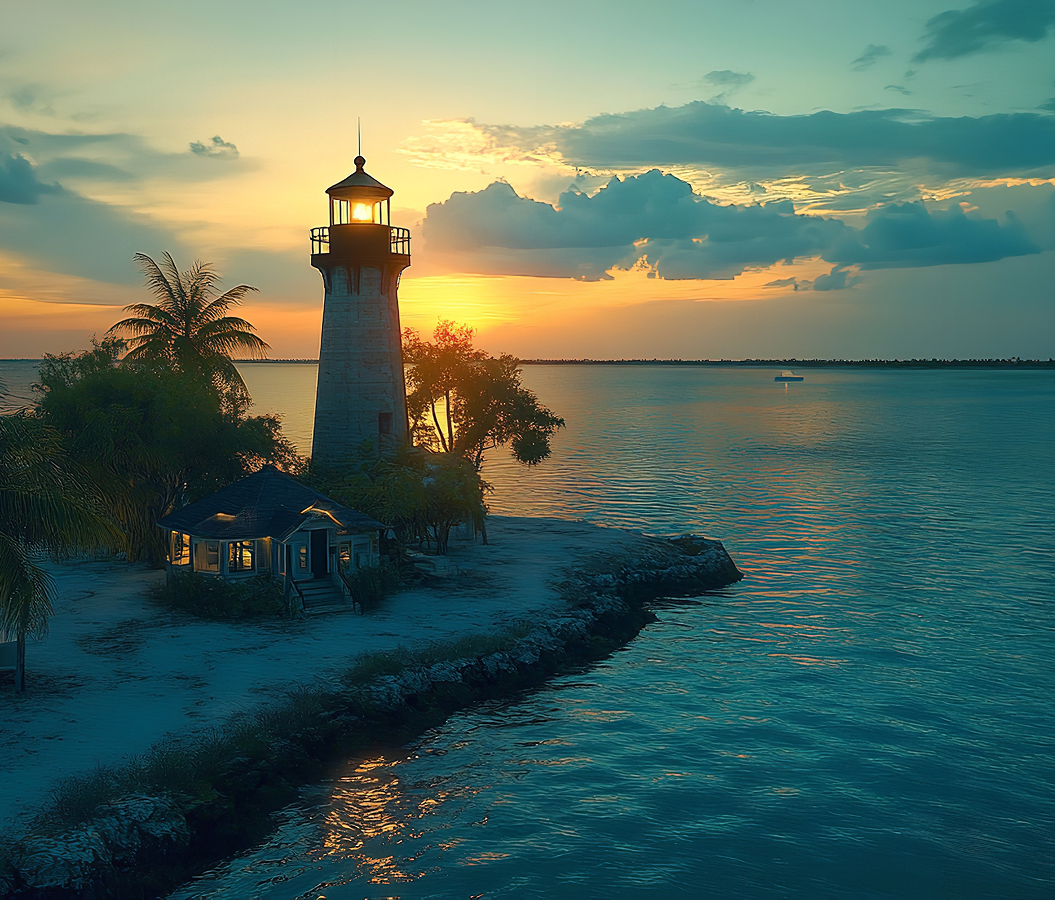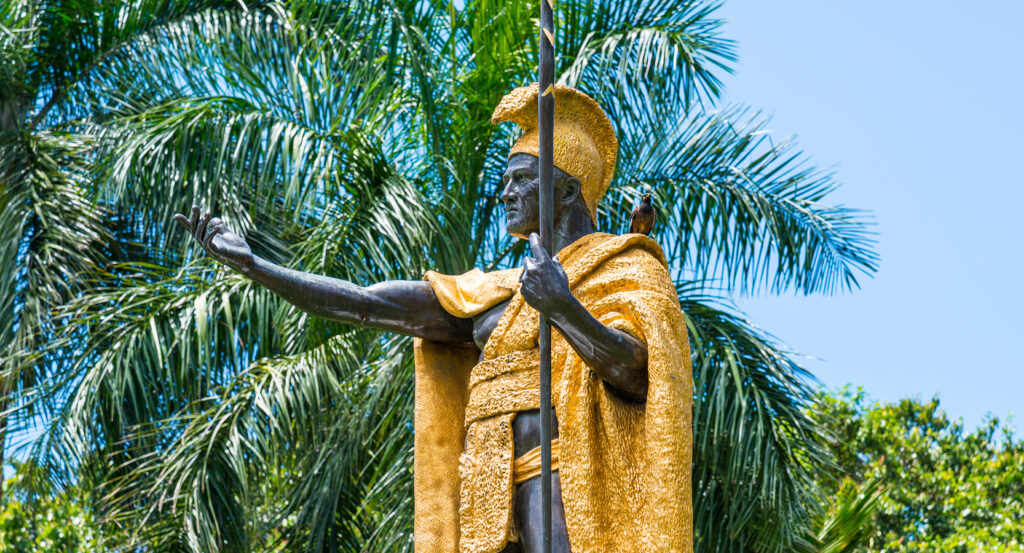
Fun facts about Honolulu, Hawaii.
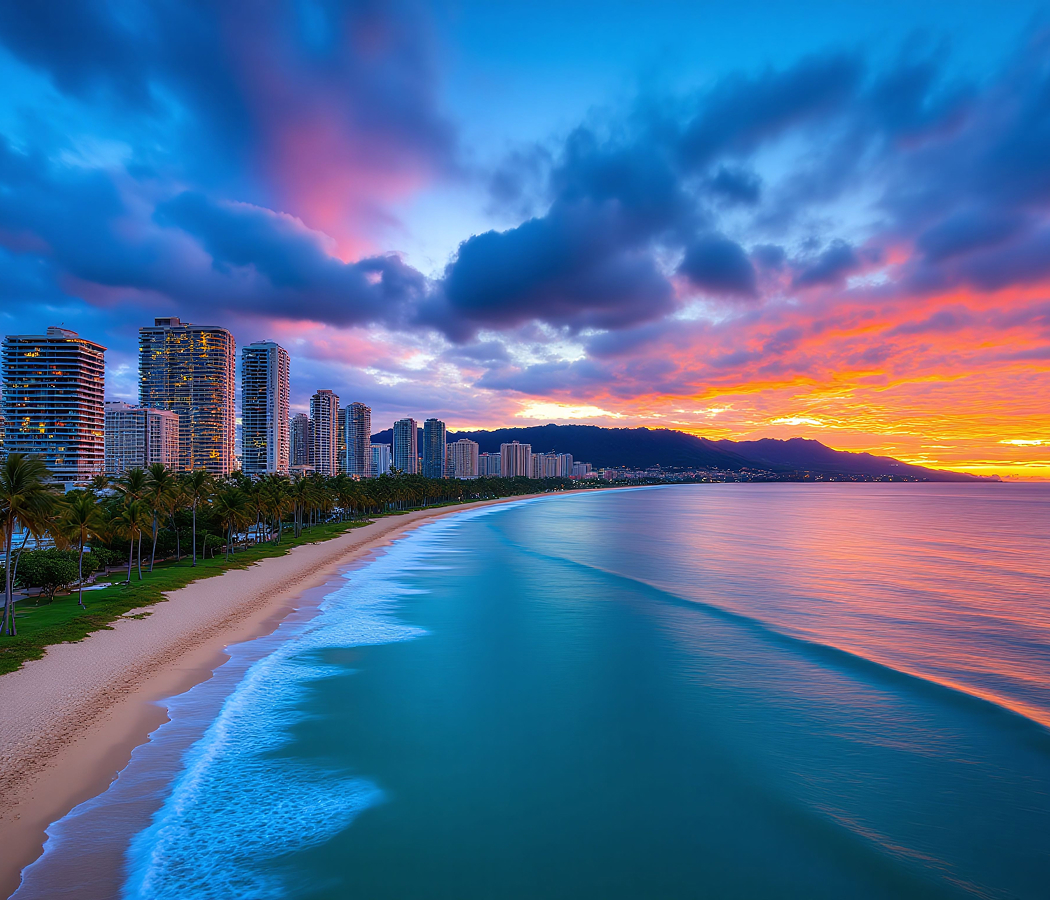
Beneath Honolulu's postcard beauty lies a landscape layered with history, geology, and cultural depth far richer than most travelers ever realize.
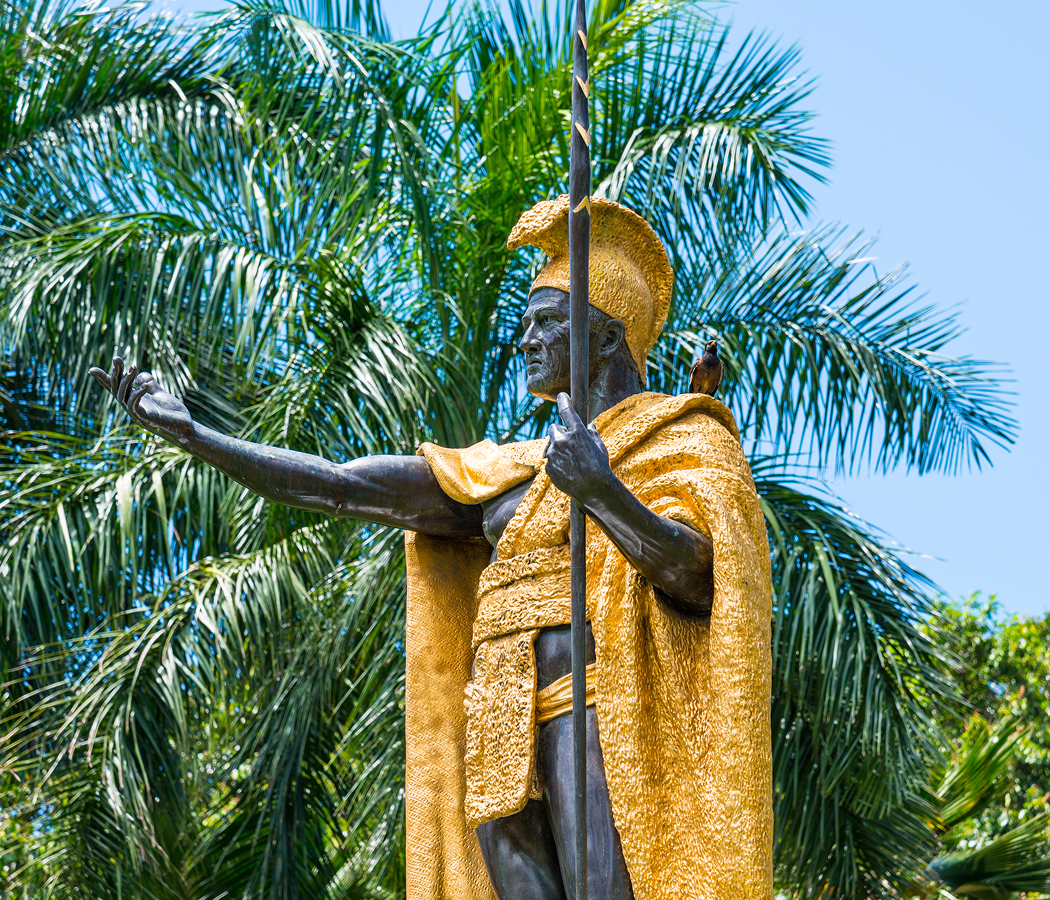
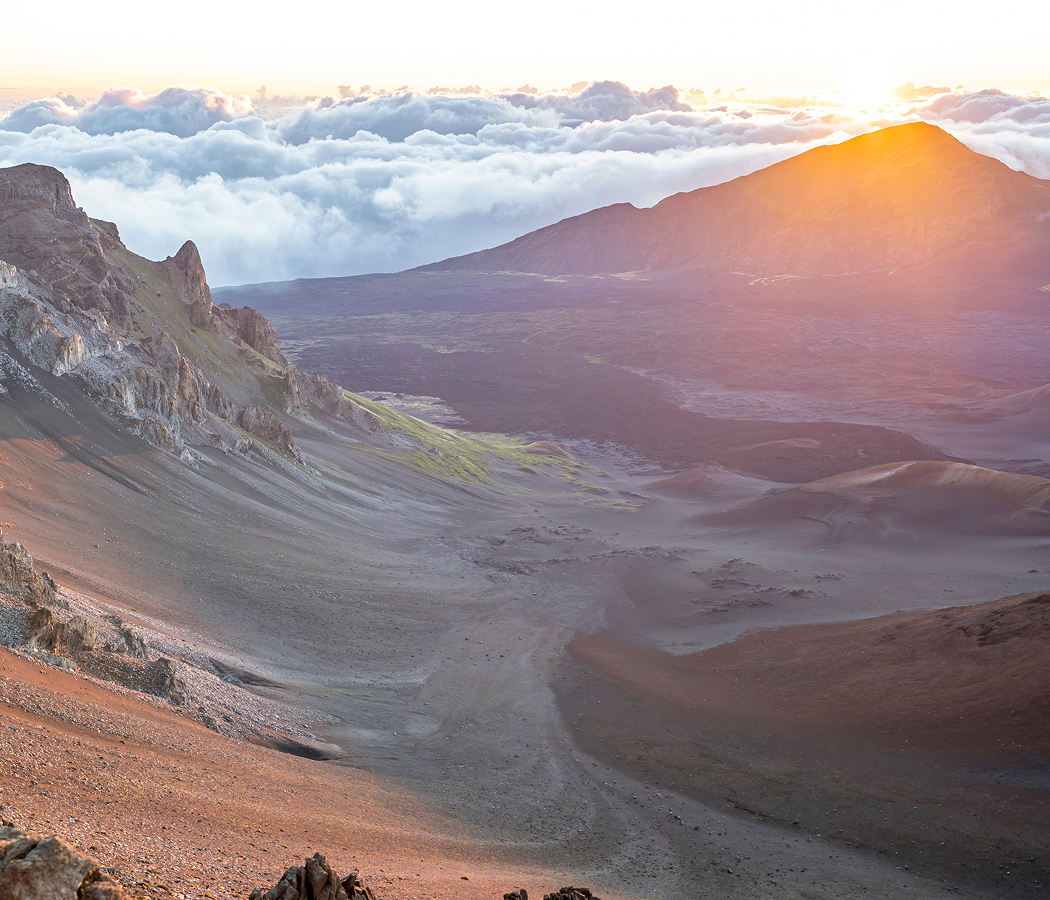
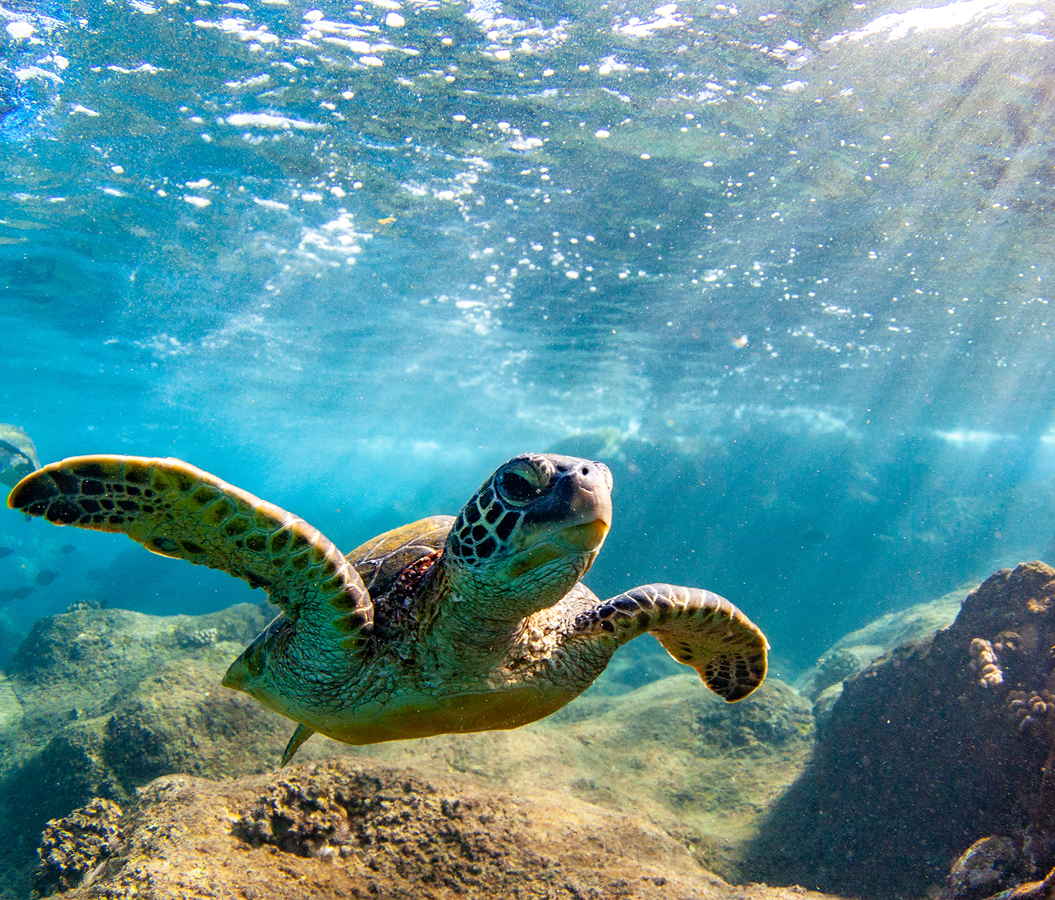
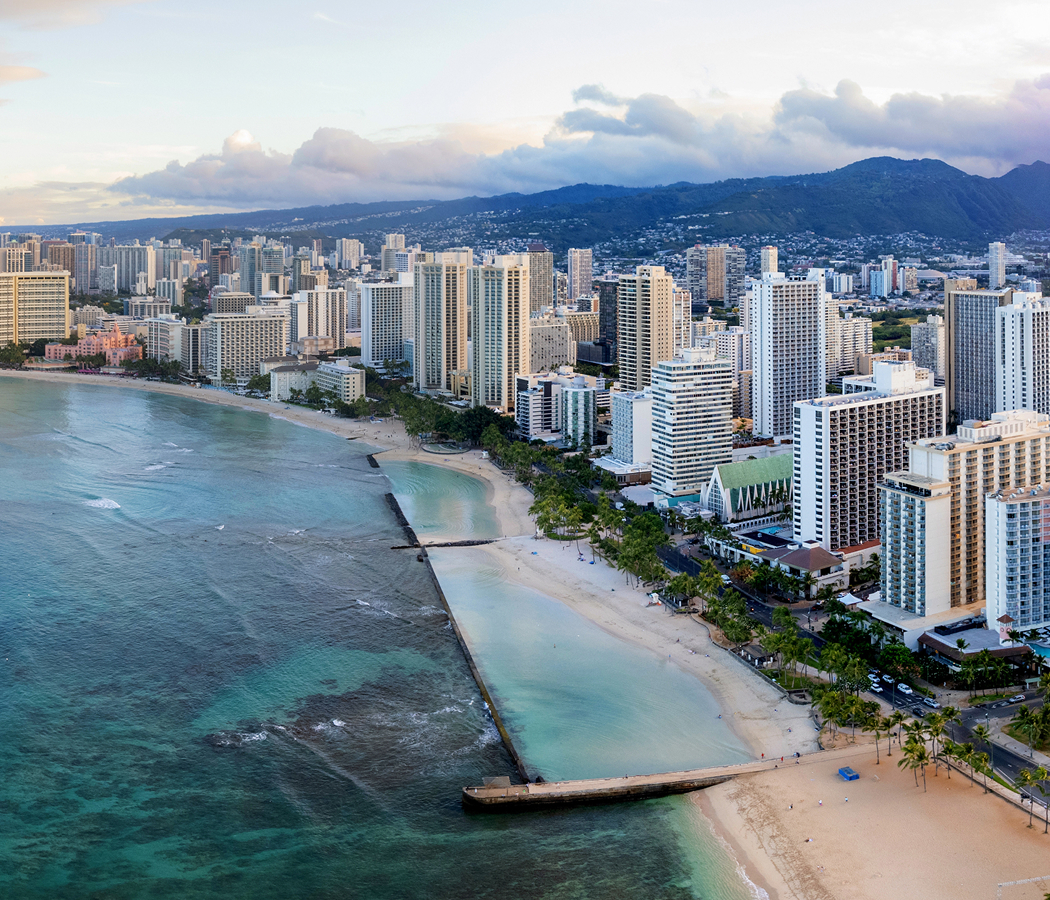
The city sits on an ancient volcanic shield shaped by eruptions millions of years ago, Diamond Head, Koko Crater, and Punchbowl Crater are all remnants of Honolulu's explosive geological past, each formed by steam-driven eruptions that blasted through the earth's crust. These volcanic features affect everything from the direction of the trade winds to the contours of Honolulu's coastline. Honolulu was once a thriving royal seat, the political, cultural, and spiritual center of the Hawaiian Kingdom. The grounds of ʻIolani Palace still hold the imprint of monarchy, diplomacy, and the tension of a turbulent nineteenth century. Waikīkī wasn't always skyscrapers and surfboards; it was once wetlands and royal retreat land, fed by an intricate system of streams and fishponds engineered by Native Hawaiians with astonishing ecological sophistication. The surf breaks that define modern Honolulu are ancient too, each with Hawaiian names and histories passed down orally, each connected to legends, chiefs, or events woven into the island's memory. Beneath the surface of Honolulu's turquoise waters lies one of the most diverse marine ecosystems in the Pacific, reefs shaped by volcanic lava flows, home to fish found nowhere else on Earth. Even Honolulu's winds tell stories: the consistent trade winds that cool the city are part of a global atmospheric cycle that connects islands thousands of miles apart. And every neighborhood, from Nuʻuanu to Mānoa to Kaimukī, carries cultural microhistories shaped by migration, plantation life, royal lineage, and local tradition. To understand Honolulu deeply is to see it not as a beach city, but as a living intersection of nature, culture, and sacred Hawaiian geography.
Five fun facts.
5. It's the only U.S. city founded by royalty.
Honolulu was established as the capital of the Hawaiian Kingdom by King Kamehameha III in 1850. The city's layout, institutions, and enduring cultural pride still carry echoes of its sovereign past.
4. There's a palace in the middle of downtown.
ʻIolani Palace isn't a museum piece, it was once home to Hawaii's last reigning monarchs. It had electricity and telephones before the White House, and today stands as a living symbol of a complex and ongoing story.
3. Hawaiian is an official language, and it's coming back.
Though once suppressed, the Hawaiian language is now experiencing a revival. Street signs, school curriculums, and daily greetings proudly reflect ʻōlelo Hawaiʻi, a reclaiming of voice through language.
2. Surfing was once banned by missionaries.
The sport that defines Hawaiian identity was discouraged in the 19th century by missionaries who viewed it as hedonistic. Today, Honolulu's shoreline celebrates surfing not just as recreation, but as cultural resilience.
1. The islands move 3 inches closer to Japan every year.
Thanks to plate tectonics, like the rest of the Hawaiian Islands, is slowly drifting northwest toward Asia. Even the land beneath your feet is in motion, reminding you that nothing here is still for long.
Where your story begins.
Start your planning journey with Foresyte Travel.
Experience immersive stories crafted for luxury travelers.