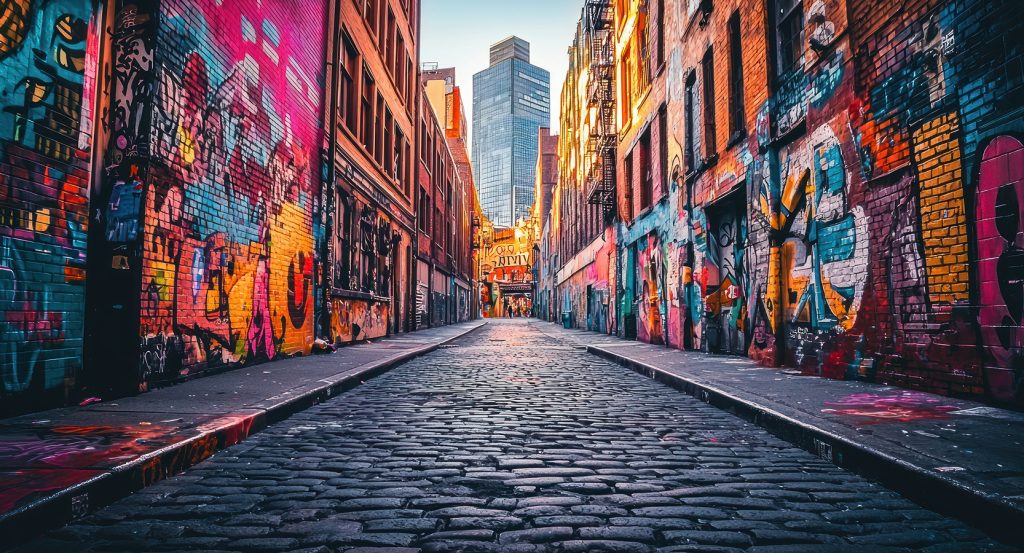
Fun facts about Melbourne, Australia.
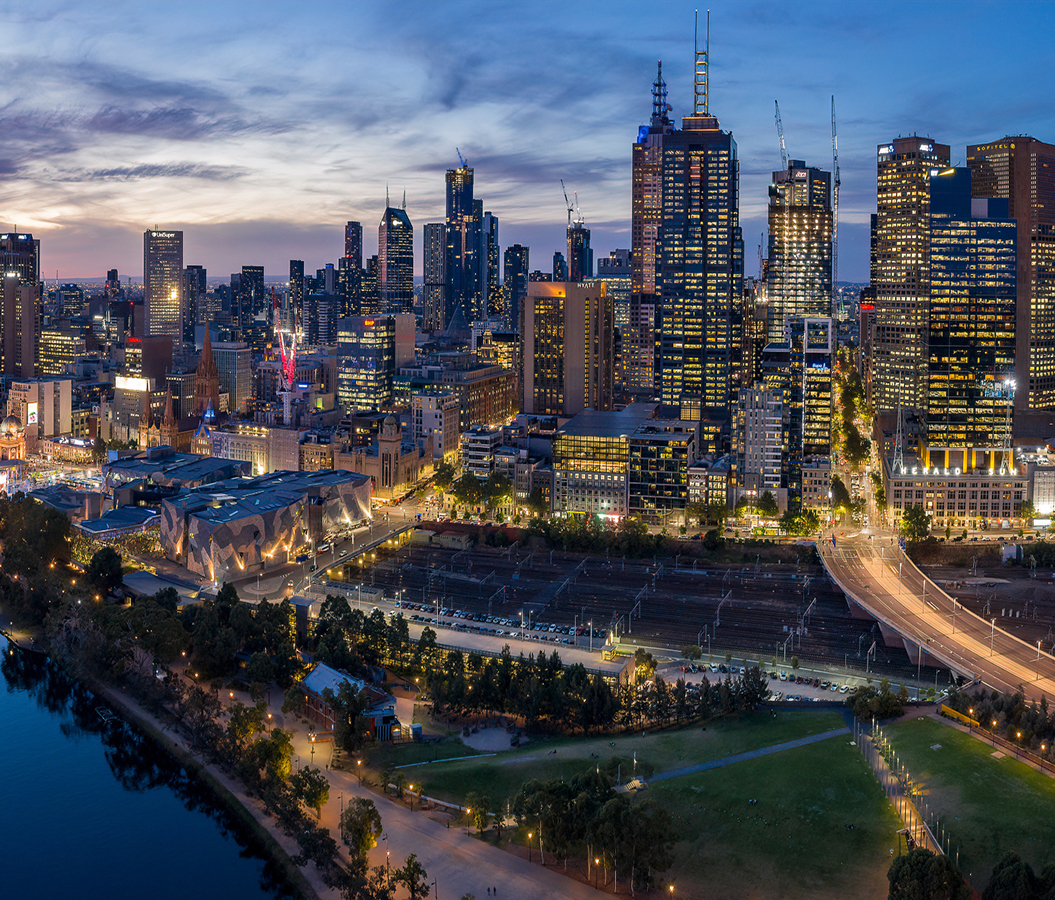
Melbourne sits at a cultural, geological, and architectural crossroads, a meeting point of ancient landscapes, immigrant influence, and design philosophies that shaped one of the world's most quietly fascinating cities.
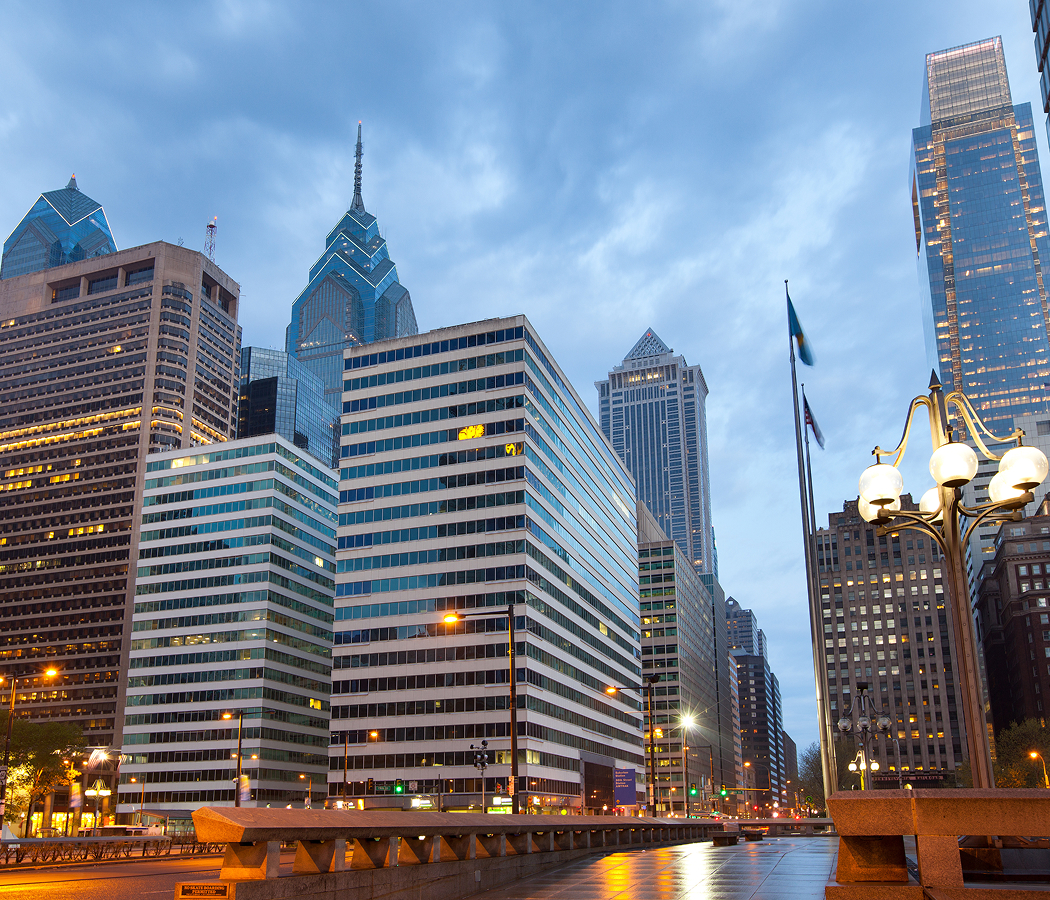
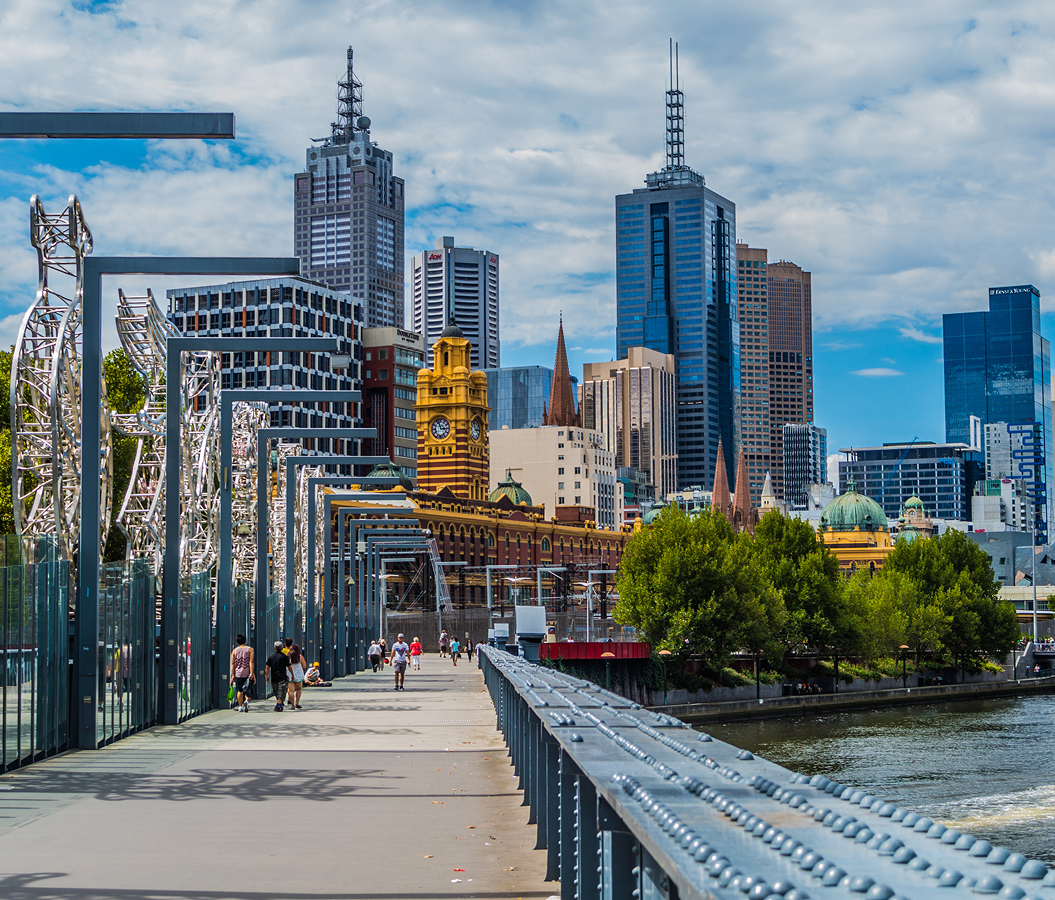
Before its skyline rose, this land belonged to the Wurundjeri and Boon Wurrung peoples of the Kulin Nation, whose stories still echo through the city's rivers, plains, and sacred gathering sites. Beneath Melbourne lies volcanic earth, its fertile basalt plains forming the foundation for vineyards and farmland that now define much of Victoria's culinary identity. Its famous laneways weren't built for charm, they were designed for horses, carts, and service alleys during the Gold Rush, later reborn by immigrants who turned them into cafés, art corridors, and micro-communities. Melbourne's weather, often joked about, comes from the clash of cold Southern Ocean currents and inland heat, creating the city's sharp, dramatic shifts in temperature and mood. Even its architecture tells a story: Gothic revival structures beside hyper-modern towers, Victorian terraces beside brutalist icons. Look past the coffee culture and murals and you discover a city shaped by fault lines, waves of migration, artistic rebellion, and a long-standing devotion to craft, in design, food, music, and the everyday rituals that make Melbourne distinctly itself.
Five fun facts.
5. Melbourne was once the richest city in the world.
During the 1880s gold rush was flush with wealth and known as “Marvellous Melbourne.” Its opulent buildings and booming banks rivaled London, for a brief time, it was the wealthiest city on Earth.
4. It has an entire network of hidden laneway bars.
Melbourne's best bars and eateries aren't on the main roads, they're tucked into alleys and backstreets, many without signs. Locals pride themselves on knowing the unmarked doors that lead to the city's most iconic experiences.
3. The city's trams form the largest network in the world.
With over 250 kilometers of track boasts the world's largest urban tram system, a charming, practical nod to its past that still defines its rhythm today.
2. It was almost called “Batmania.”
Before “Melbourne” stuck, early settlers proposed naming the city Batmania, after John Batman, one of its founders. It didn't catch on, but the quirky footnote lives on in Melbourne lore.
1. Melbourne is Australia's street art capital, and it's legal.
The city has embraced street art as a legitimate cultural asset, with areas like Hosier Lane officially sanctioned for public murals. New works appear almost daily, turning the city into a living gallery.
Where your story begins.
Start your planning journey with Foresyte Travel.
Experience immersive stories crafted for luxury travelers.