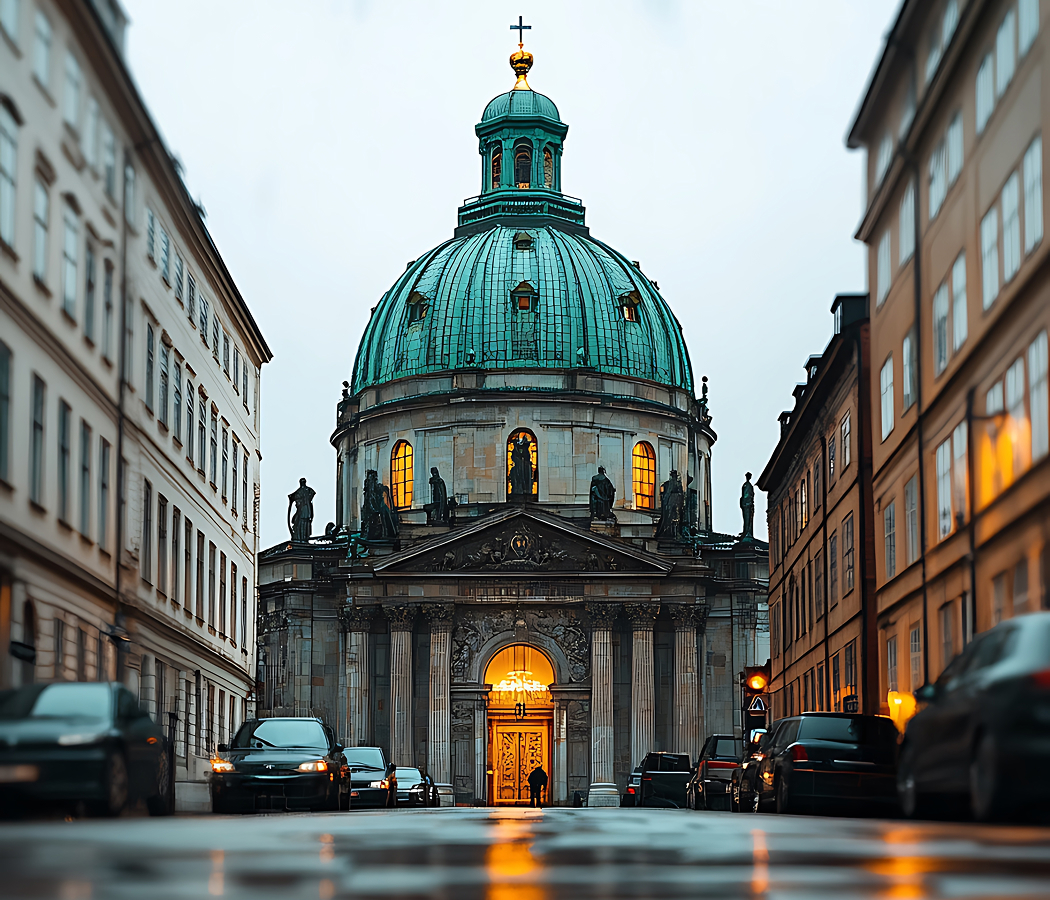
Fun facts about Prague, Czech Republic.
Prague's beauty isn't accidental, it's the result of a millennium of architectural layering, political resilience, scientific breakthroughs, and cultural evolution that most visitors never see beneath the fairytale exterior.
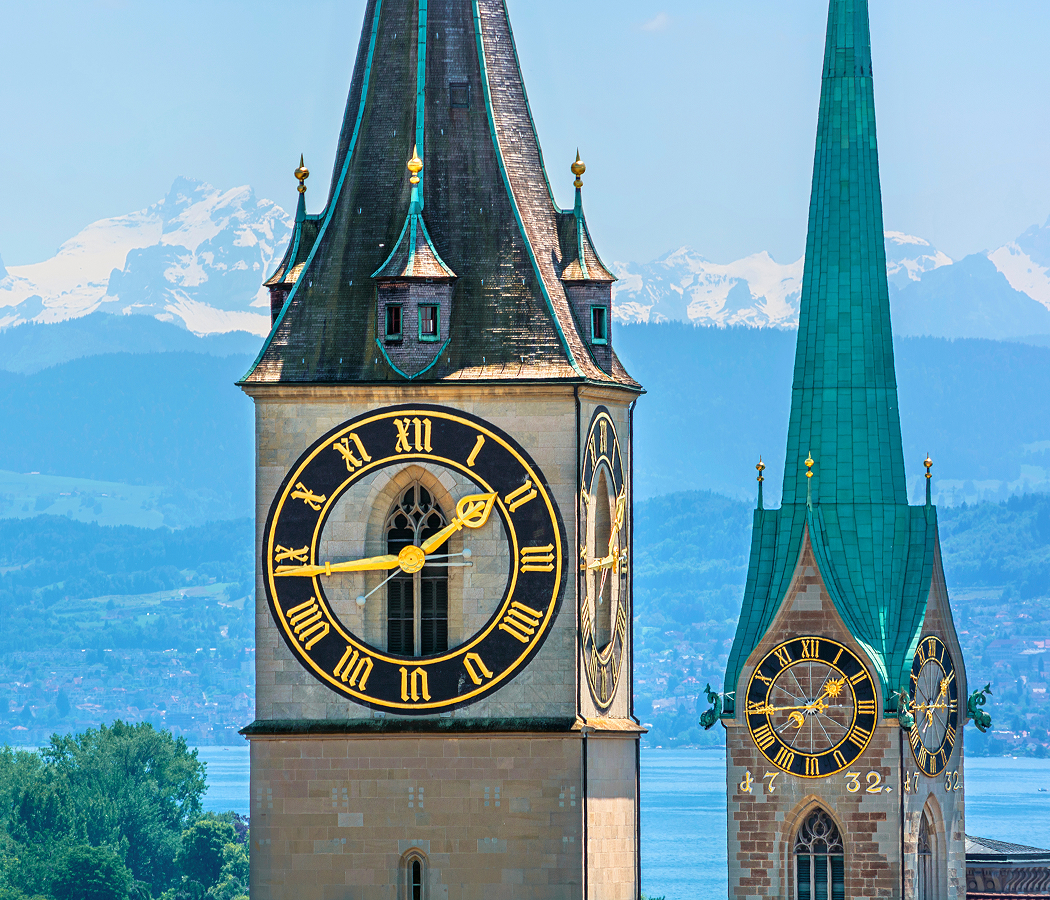
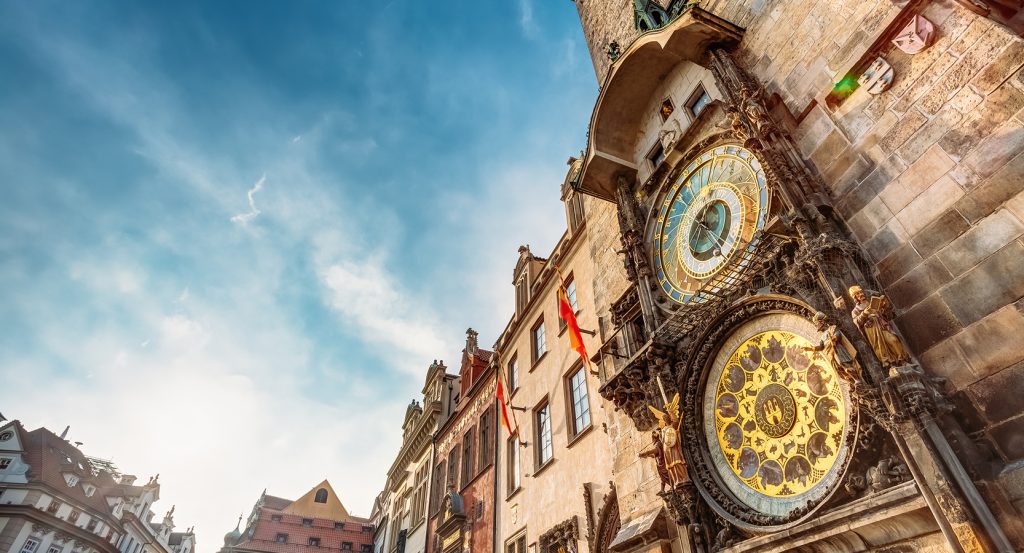
Prague Castle isn't just a postcard icon; it's the largest ancient castle complex in the world, a fortress-city that once shaped the fate of Central Europe. The Charles Bridge, famous for its statues and sunrise glow, was engineered in the 14th century using mortar mixed with raw eggs to strengthen the stone, one of many medieval innovations that allowed the city to endure floods and wars. The astronomical clock is a marvel of medieval science: a blend of astronomy, mathematics, mythology, and Gothic engineering that has been operating since 1410. Beneath the surface, Prague hides entire underworlds, old Jewish quarters buried beneath modern streets, Roman ruins below shops, secret passages beneath churches, and an intricate system of cellars where beer has been brewed for centuries. The architecture you see today spans Gothic, Baroque, Renaissance, Cubist (a style that practically doesn't exist anywhere else), and a rare form of Czech Art Nouveau. Prague was also home to extraordinary intellectuals, Kafka, Einstein, Jan Neruda, whose influence shaped modern literature and physics. And the Vltava River itself plays a crucial ecological role, supporting fish corridors and bird habitats woven invisibly into the city's fabric. Prague's magic isn't just aesthetic, it's structural, scientific, cultural, and deeply historical.
Five fun facts.
5. The world's oldest working astronomical clock lives here.
Installed in 1410, the Prague Orloj is not just decorative, it still tracks time, the zodiac, and the movement of the sun and moon. Locals and visitors alike gather every hour to watch its procession of wooden apostles pass by like clockwork.
4. Beer is cheaper than water.
In many Prague pubs, it's still cheaper to order a pint of local lager than a bottle of still water. Beer isn't just a drink here, it's a cultural staple, brewed with centuries of expertise and pride.
3. The Charles Bridge has 30 statues, and many legends.
Built in the 14th century, this iconic bridge is lined with saints, stories, and superstitions. One statue is said to bring luck if you touch it. Another marks the place where a martyr was thrown into the river. Every step carries weight.
2. The city is home to a hidden cubist lamppost.
Prague is the only city in the world with a cubist lamppost, located near Wenceslas Square. It's a strange, angular little detail that reveals how the city flirted with avant-garde design while the rest of Europe leaned traditional.
1. The Velvet Revolution began with student protests here.
In 1989, peaceful student demonstrations in Prague helped trigger the end of communist rule in Czechoslovakia. Within weeks, the regime fell. The power of that movement still hums beneath the cobblestones.
Where your story begins.
Start your planning journey with Foresyte Travel.
Experience immersive stories crafted for luxury travelers.