Fun facts about Stockholm, Sweden.
Stockholm's magic isn't just aesthetic, it's structural, cultural, and deeply tied to the landscape.
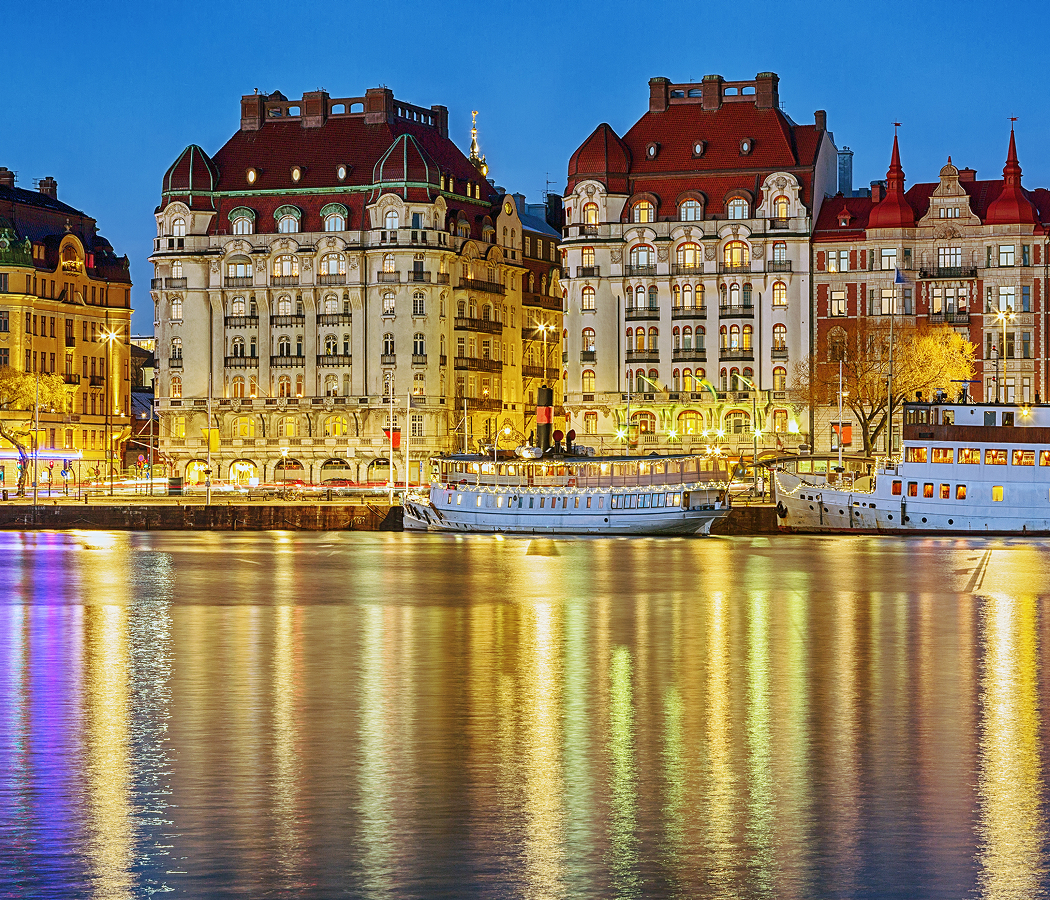
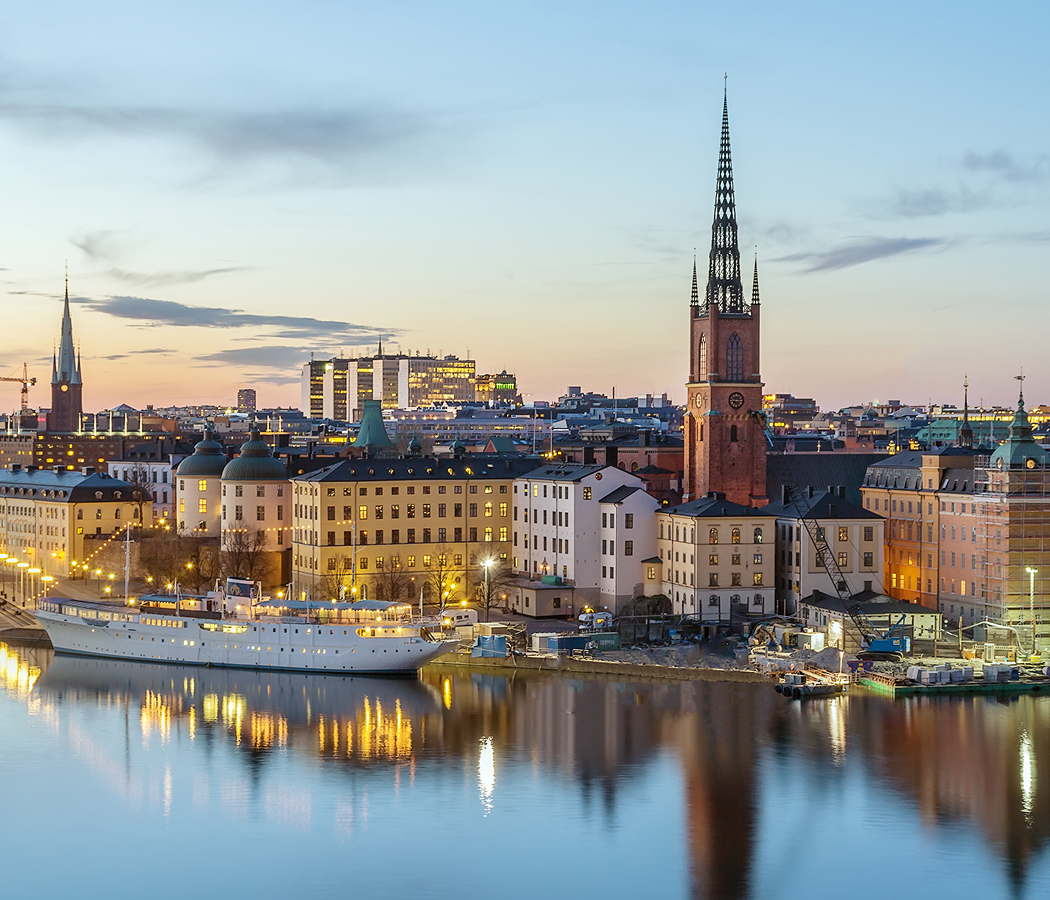
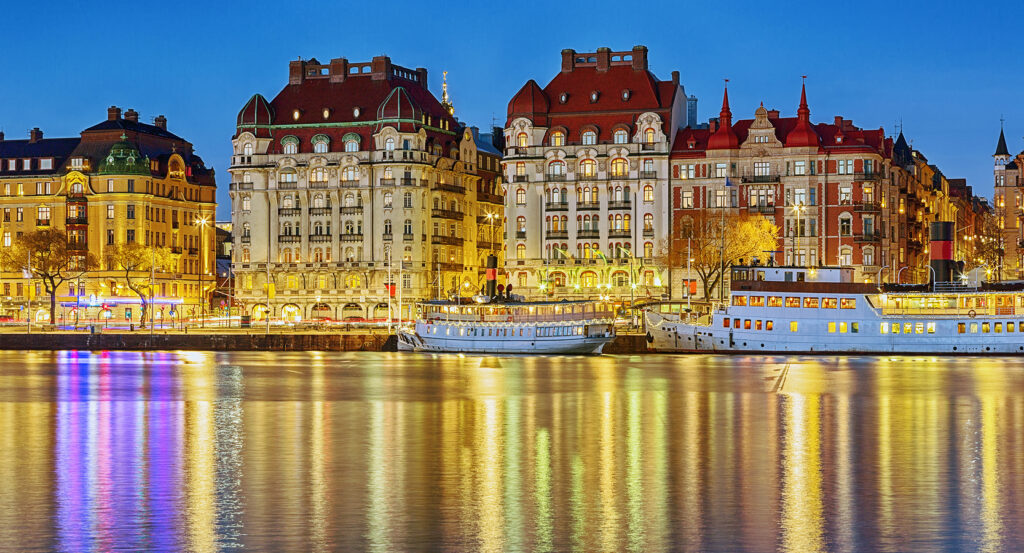
The city sits atop 14 islands connected by more than 50 bridges, giving it one of the most complex and beautiful waterfront layouts in Europe. Much of the architecture you see, from the pastel façades of Gamla Stan to the clean lines of Norrmalm, reflects centuries of balancing preservation with innovation. Stockholm's subway system, the Tunnelbana, doubles as the world's longest art gallery, with stations carved like caves and painted in colossal murals. The water surrounding the city is so clean that locals swim in it during summer lunch breaks, a testament to Sweden's rigorous environmental stewardship. Beyond the mainland, the Stockholm Archipelago spans more than 30,000 islands, a natural labyrinth that shapes the city's climate, cuisine, and recreational rhythm. Swedish culture is woven subtly into daily life: fika (the ritual of pausing for coffee and pastry), allemansrätten (the right to roam nature freely), and a social fabric built on quiet respect and understated elegance. Stockholm may feel serene, but beneath that serenity is a city engineered with remarkable intelligence.
Five fun facts.
5. It's home to the world's longest art gallery.
Beneath the surface of Stockholm lies over 90 stations of art in its subway system, dubbed the longest art exhibit in the world, stretching 110 kilometers with installations, mosaics, and sculptures.
4. Stockholm has an island devoted entirely to museums.
Djurgården is an island in the heart of the city packed with some of Sweden's most iconic cultural institutions, from the Vasa Museum to ABBA The Museum, all nestled in parkland once used as royal hunting grounds.
3. The city almost burned its own palace down, on purpose.
After the Tre Kronor Castle burned in 1697, the new Royal Palace was constructed on the ashes. There was debate whether to restore or demolish, and a dramatic royal vote sealed the fate.
2. It's one of the cleanest capitals in the world.
Thanks to hydroelectric power, rigorous recycling, and fierce environmental policies is consistently ranked among the most eco-conscious cities on the planet.
1. Stockholm Syndrome began with a botched bank heist.
The term “Stockholm Syndrome” came from a 1973 hostage crisis at Kreditbanken, where captives bonded with their captor during a 6-day standoff, puzzling the world and birthing a now-famous psychological theory.
Where your story begins.
Start your planning journey with Foresyte Travel.
Experience immersive stories crafted for luxury travelers.