Fun facts about Venice, Italy.
Venice is a masterpiece of engineering, ecology, and history, a city that shouldn't exist, yet continues to thrive by balancing on a foundation both improbable and ingenious.
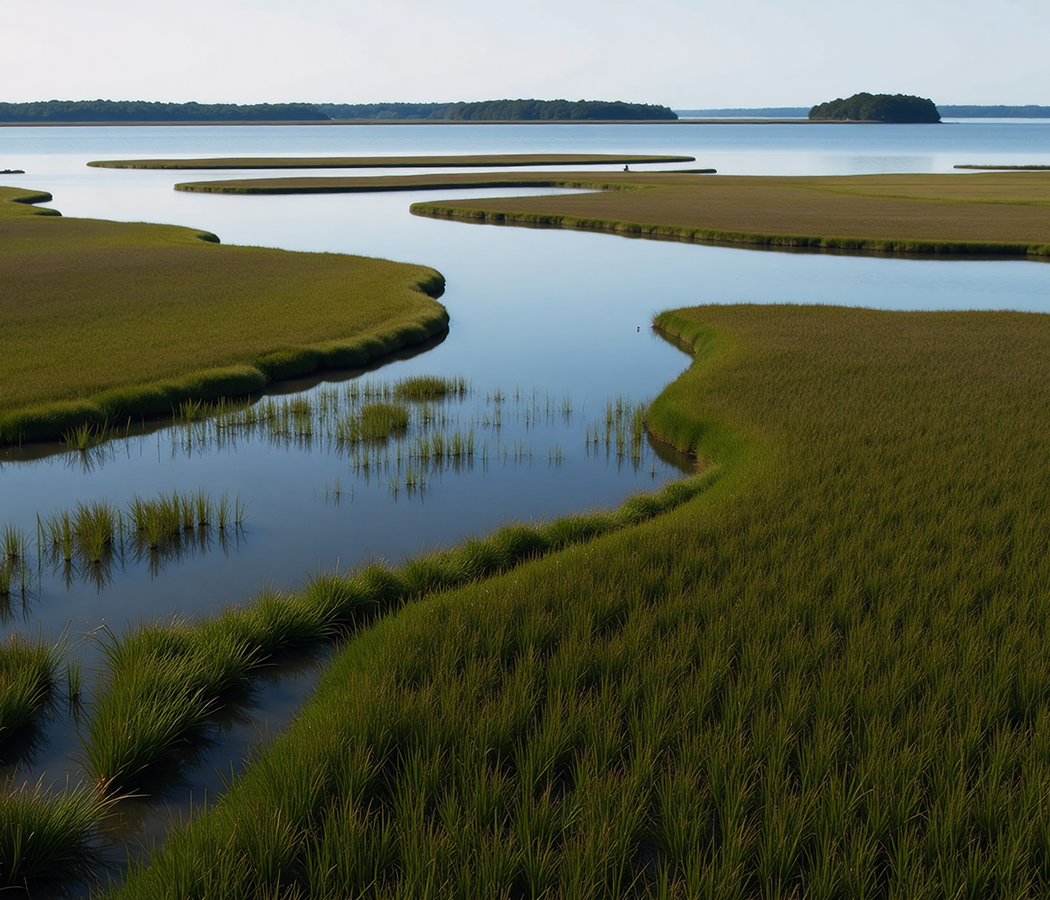
The entire city rests on millions of wooden piles driven deep into lagoon mud, wood that has hardened over centuries into petrified pillars due to the oxygen-poor sediment, making Venice stronger with time. The lagoon itself acts as a living defense system: tides pulling water through narrow channels, sandbars shifting with storms, and wetlands absorbing the energy of incoming waves. Venice's canals aren't stagnant, they circulate naturally with the tide, refreshing themselves every six hours. The soft hues of Venetian buildings come from minerals in the plaster that respond to humidity and salt content, giving the city its watercolor effect. The iconic gondola is an engineering marvel: asymmetrical in design so it balances perfectly with a single oarsman, crafted from eight different types of wood, and shaped to account for the oar's drag. Under the waterline lies a network of ancient trade routes, Venice was once the beating heart of maritime commerce, its wealth tied to spices, silk, and diplomacy. Even the soundscape has history: bells tuned centuries ago to harmonize across neighborhoods, footsteps echoing on stone worn by millions before you, water lapping against foundations built before the Renaissance. Venice isn't just beautiful; it is improbable, intentional, and alive, a city whose magic comes from the interplay of human brilliance and the shifting rhythm of the sea.
Five fun facts.
5. Venice has no official roads, only canals and alleys.
There are over 170 canals and more than 400 bridges, but not a single car or bike in the historic center. Every delivery, ambulance, and garbage run happens by boat.
4. The city sits on millions of wooden stakes.
Venice is built on wooden pilings driven into mud and clay, mostly from trees imported centuries ago. Deprived of oxygen underwater, the wood has stayed sturdy for 1,000 years.
3. Venice was once its own empire.
For over a millennium ruled as an independent republic, dominating Mediterranean trade and diplomacy until Napoleon swept through in 1797.
2. There's a whole island dedicated to glass.
Murano, just minutes from Venice by boat, has been crafting world-famous glasswork since the 13th century, and still feels like a fiery workshop frozen in time.
1. Venice has secret passageways beneath the Doge's Palace.
Known as the Piombi, these shadowy prison cells once held political enemies, including Casanova, who famously escaped through the roof in 1756.
Where your story begins.
Start your planning journey with Foresyte Travel.
Experience immersive stories crafted for luxury travelers.