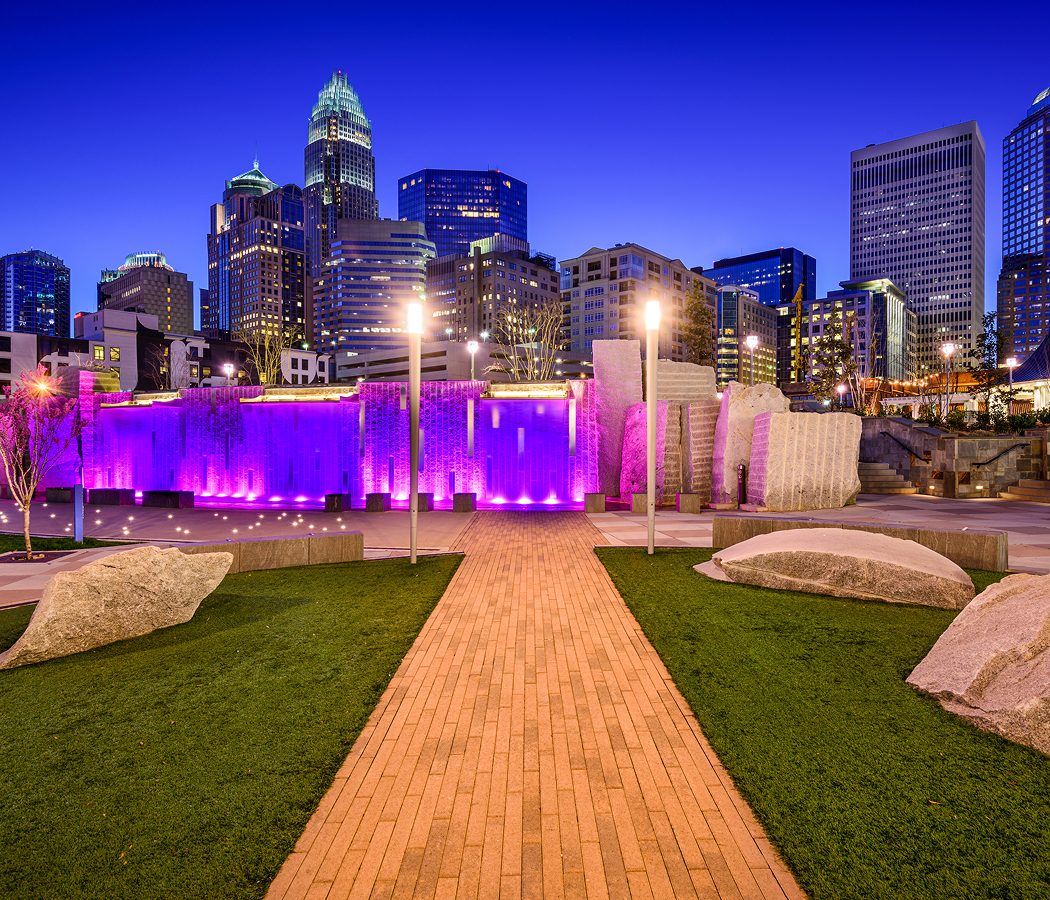
Fun facts about Charlotte, North Carolina.
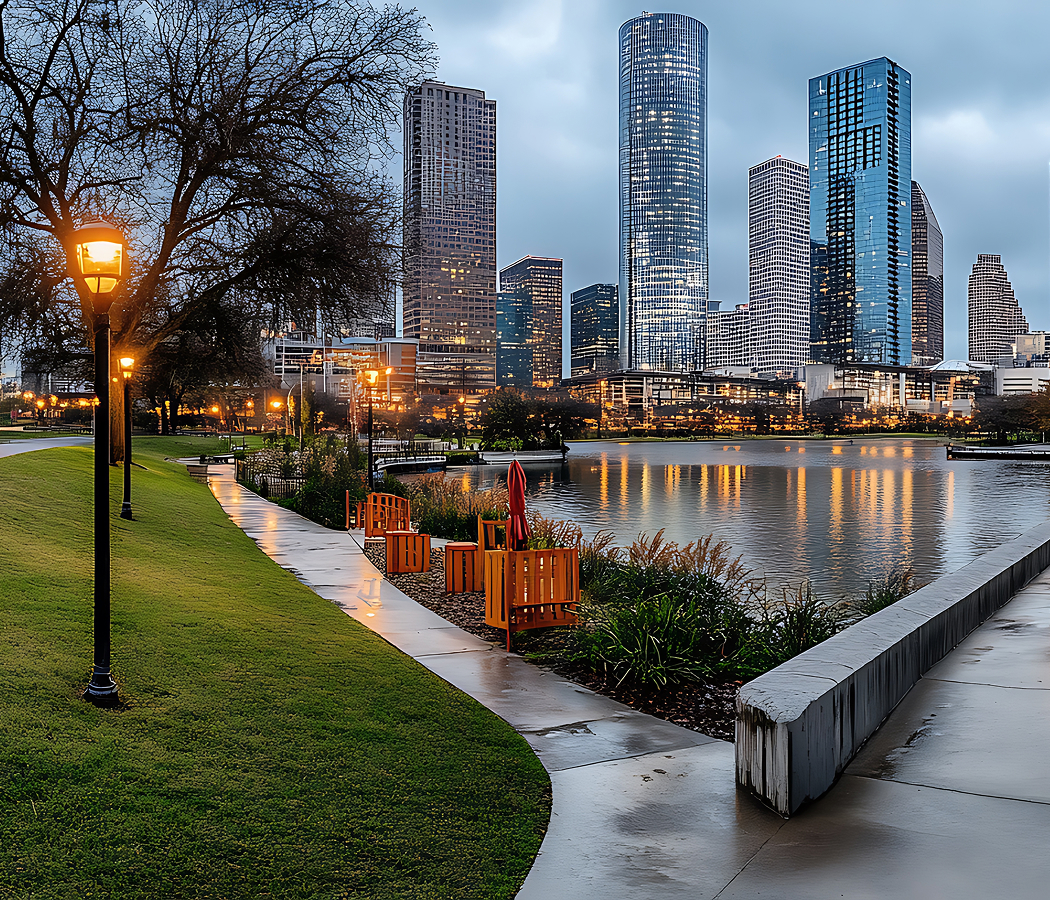
Charlotte sits atop centuries of layered history trade routes, early gold mines, financial revolutions, and a geographic position that shaped the city into the banking capital it is today.
Few visitors realize that Charlotte was the site of the first major U.S. gold rush, and remnants of that era still lie beneath the streets of Uptown. The city's unusual street grid, angled and occasionally irregular, traces back to Native pathways and early trading roads, giving Charlotte its distinctive urban flow. Its tree canopy is one of the largest among major U.S. cities, supported by a climate that nurtures lush growth nearly year-round. Culturally, Charlotte reflects a blending of influences: deep Southern roots, Appalachian migration patterns, East Coast transplants, and global communities drawn to its economic rise. The city's museums carry unexpectedly rich narratives, NASCAR history, civil rights timelines, global art, while its food scene is shaped by farm country, modern creativity, and a new wave of chefs redefining Carolina flavor. There's far more complexity, heritage, and evolution here than most travelers ever realize.
Five fun facts.
5. Charlotte was once known as “The Hornet's Nest.”
During the Revolutionary War called it a “hornet's nest of rebellion”, a nickname the city wears proudly to this day (and yes, the NBA team name nods to that, too).
4. It's home to the oldest surviving gold mine in the U.S.
The Reed Gold Mine, just outside Charlotte, sparked the first U.S. gold rush in 1799, decades before California's frenzy. You can still pan for gold there today.
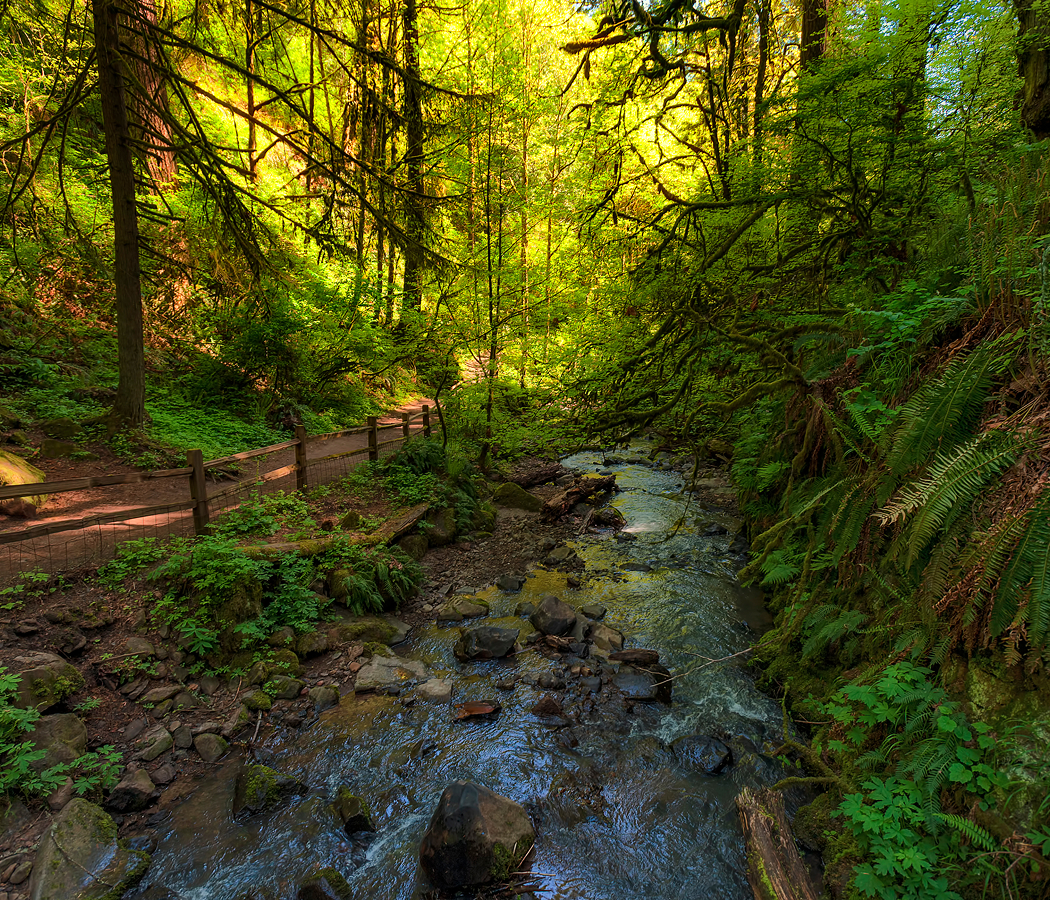
3. There's a hidden stream running through uptown.
Little Sugar Creek, now partially uncovered, runs beneath parts of the city and was once buried to make way for urban growth. Its revitalization is part of Charlotte's green rebirth.
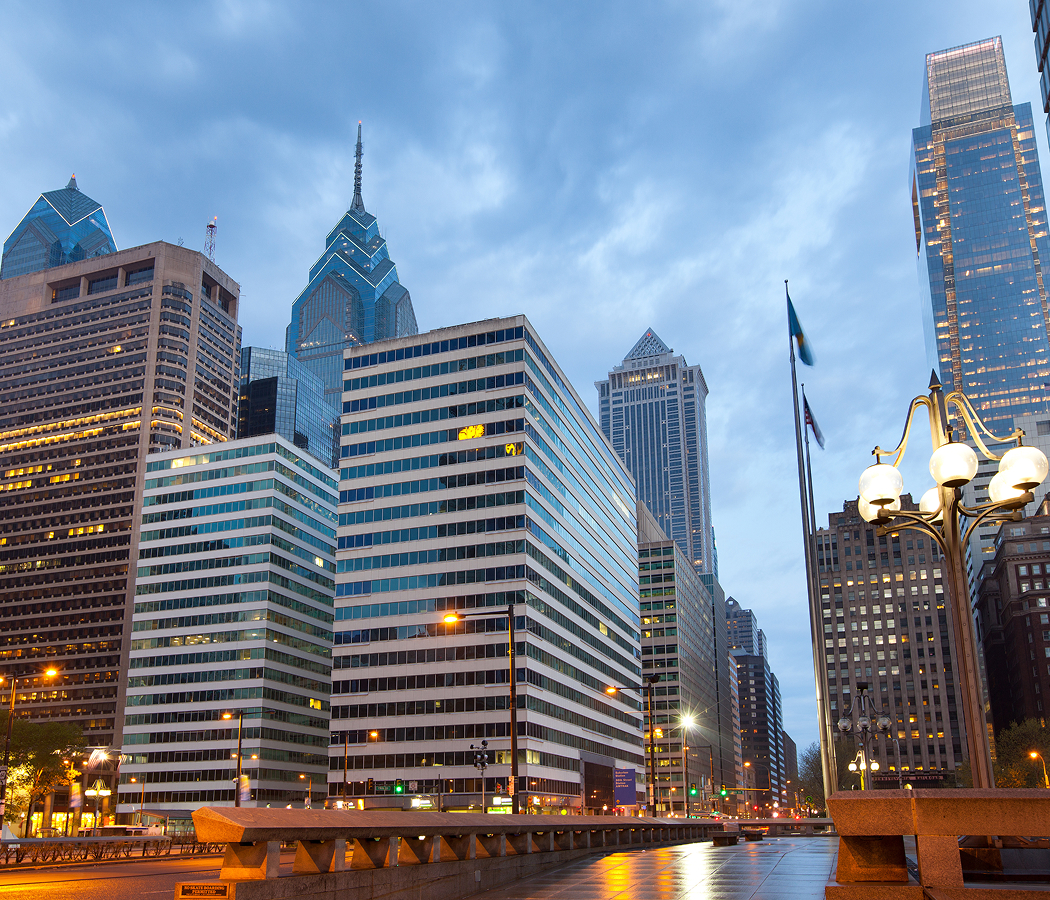
2. Charlotte is the second-largest banking hub in America.
Behind only Wall Street holds a massive role in U.S. finance, headquarters to Bank of America and a key base for Wells Fargo.
1. There's a time capsule buried under a statue of Queen Charlotte.
Installed during the city's 250th anniversary, the capsule won't be opened until 2075, preserving mementos of today's Queen City for tomorrow's citizens.
Where your story begins.
Start your planning journey with Foresyte Travel.
Experience immersive stories crafted for luxury travelers.