
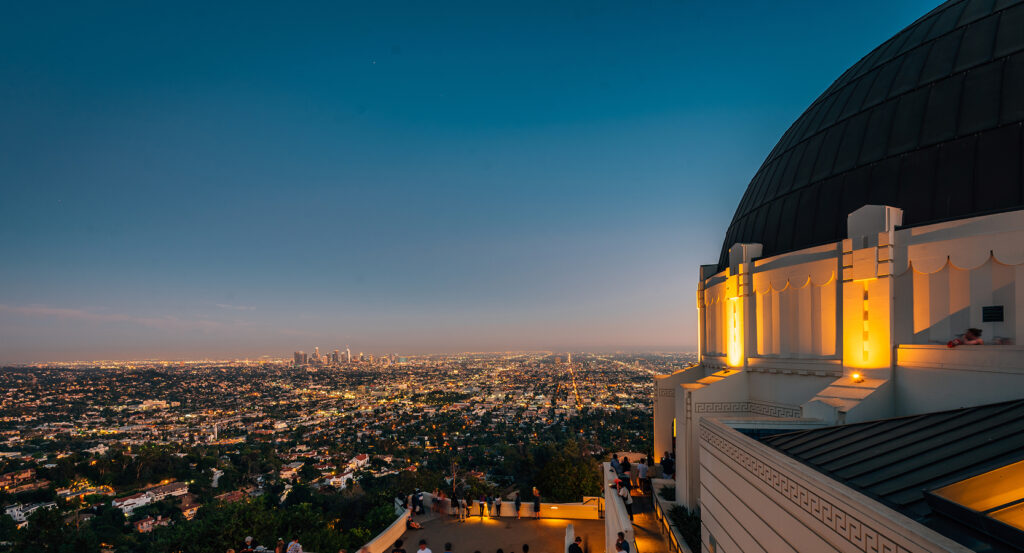
Why you should experience Solstice Canyon in Los Angeles, California.
Solstice Canyon is where the Santa Monica Mountains open their ribs and let you walk straight into coastal myth.
Tucked just off Corral Canyon Road in the Santa Monica Mountains above Pacific Coast Highway, the park unfolds as a layered landscape of sycamore groves, seasonal creeks, ocean-facing ridgelines, and the quiet stone remains of the Roberts Ranch House, a 1950s modernist home once perched above the canyon floor. The trail begins gently, winding past native coastal sage scrub and shaded oak corridors before revealing the skeletal fireplace and chimney that survived wildfire, now standing as sculptural relics against blue Malibu sky. Lizards dart across warm sandstone, hawks circle overhead, and the air carries a mineral freshness that feels pulled directly from the Pacific. This is not a manicured coastal park; it is a preserved slice of the Santa Monica Mountains National Recreation Area where geology, architecture, and wildfire history coexist in plain sight. The balance between openness and shelter makes the canyon feel cinematic without performance, every bend reveals another shift in light, another texture of rock, another reminder that Malibu is more than shoreline glamour.
What you should know about Solstice Canyon.
Solstice Canyon holds one of the most intriguing architectural ghosts in Southern California.
The Roberts Ranch House, designed by architect Paul R. Williams for Fred and Florence Roberts, was an early example of California ranch modernism, blending indoor-outdoor living long before it became a coastal cliché. Though the home burned in 1982, the surviving masonry core has become an accidental monument, framed by eucalyptus and sycamore as if the canyon decided to curate its own museum. Climb higher along the Rising Sun Trail and the terrain steepens into chaparral-covered slopes that deliver wide Pacific views on clear days, placing Catalina Island faintly on the horizon. The canyon's ecology shifts with elevation, from riparian habitat near the creek to sun-exposed ridge lines where yucca and sage dominate. After winter rains, small waterfalls appear along the Solstice Canyon Trail, drawing hikers who time their visit for that fleeting rush of water against rock. Wildlife remains active here, deer move quietly through the underbrush at dusk, and coyotes track the edges of the trail once the crowds thin.
How to fold Solstice Canyon into your trip.
Solstice Canyon works as a morning ritual or late-afternoon ascent.
Arrive early to claim a parking spot at the trailhead lot on Corral Canyon Road, then follow the Solstice Canyon Trail at an unhurried pace toward the Roberts Ranch House ruins before deciding whether to continue up the Rising Sun Trail for elevation and ocean views. Pair the hike with a coastal drive along Pacific Coast Highway, stopping afterward in Central Malibu for lunch or continuing north toward Zuma Beach to extend the day. The terrain ranges from mostly flat canyon floor paths to moderate inclines on upper trails, so bring water, steady footwear, and patience for uneven ground. In spring, wildflowers thread color through the hillsides; in summer, the dry golden slopes glow under relentless sun. Solstice Canyon rewards those who look closely, not only at the views, but at the blend of fire, architecture, and mountain terrain that defines this corner of the Santa Monica Mountains.
Where your story begins.
Foresyte Travel reveals places that feel extraordinary long before you arrive.
Experience premium editorial crafted for luxury travelers.





































































































