
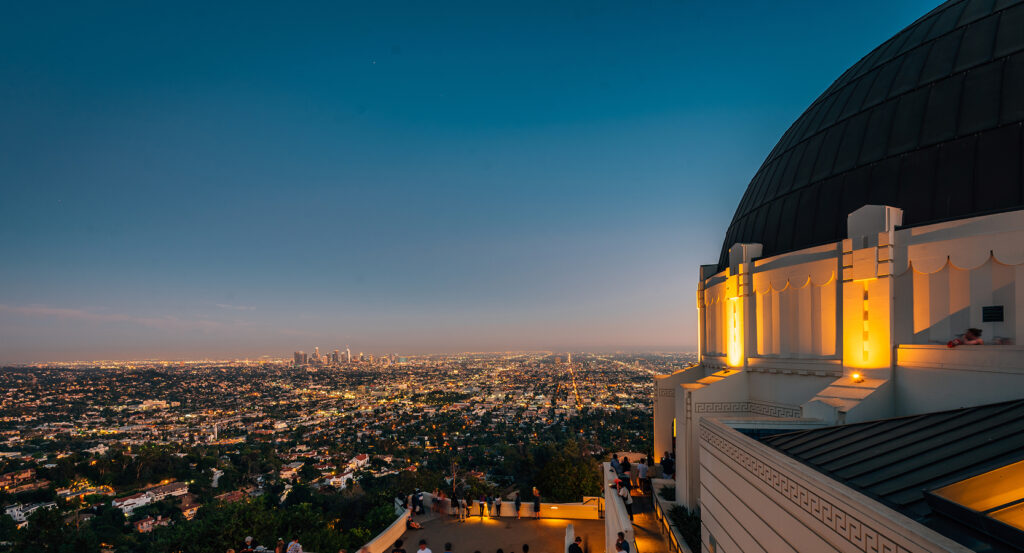
Why you should experience Hauser Boulevard in Los Angeles, California.
Hauser Boulevard is a distinguished Central Los Angeles corridor where residential heritage, cultural diversity, and the evolution of some of the city's most enduring neighborhoods converge along a street woven into the fabric of everyday Los Angeles life.
Running through Mid-City between Wilshire Boulevard and Jefferson Boulevard, this historic avenue connects residential communities, cultural institutions, neighborhood landmarks, educational facilities, public spaces, and commercial destinations that have shaped local life for generations. Tree-lined streets, historic homes, community gathering places, civic institutions, and walkable corridors create an environment defined by continuity and character. The street developed during the early twentieth century as Los Angeles expanded westward, attracting families, professionals, entrepreneurs, educators, and civic leaders seeking proximity to the city's growing opportunities. Generations of residents helped establish a corridor whose character remains closely tied to community and neighborhood life. The result is a street defined by heritage, resilience, and enduring local significance.
What you should know about Hauser Boulevard.
Hauser Boulevard is best known for running through the historic Miracle Mile district, among the earliest urban commercial corridors in the United States designed specifically for automobile traffic.
Developed during the 1920s by developer A.W. Ross, Miracle Mile revolutionized commercial planning by embracing the growing influence of the automobile. Businesses featured prominent signage, dedicated parking, and streamlined storefront designs intended to capture the attention of passing motorists. The district's success influenced commercial development patterns throughout the United States and helped establish Los Angeles as a model for automobile-oriented urban growth. Today, the area remains one of the most significant examples of early car-centric planning in American history. Few streets in Los Angeles maintain such a direct connection to a district that fundamentally changed how cities approached commercial development.
How to fold Hauser Boulevard into your trip.
Hauser Boulevard works as an exploration of Los Angeles' remarkable blend of architectural heritage, cultural institutions, and neighborhood identity.
Begin at Los Angeles County Museum of Art, where the corridor's defining relationship with culture, civic ambition, and urban development immediately comes into focus. Continue toward Petersen Automotive Museum, whose world-renowned collection reveals the transportation innovations that helped shape the surrounding district across generations. From there, make your way to La Brea Tar Pits, where active scientific research, prehistoric discoveries, and public education provide a broader perspective on the historical forces that continue to define this part of Los Angeles today. Along the route, you'll encounter cultural landmarks, architectural treasures, public gathering spaces, educational institutions, neighborhood destinations, and celebrated streetscapes that showcase the remarkable depth of the area. The progression moves naturally from cultural icon to automotive landmark to scientific landmark, revealing the forces that transformed the surrounding district into one of Los Angeles' most influential urban corridors. Hauser Boulevard remains one of the city's most rewarding streets, preserving a distinctive balance between historical significance, cultural vitality, and everyday authenticity.
Where your story begins.
Foresyte Travel reveals places that feel extraordinary long before you arrive.
Experience premium editorial crafted for luxury travelers.





































































































