
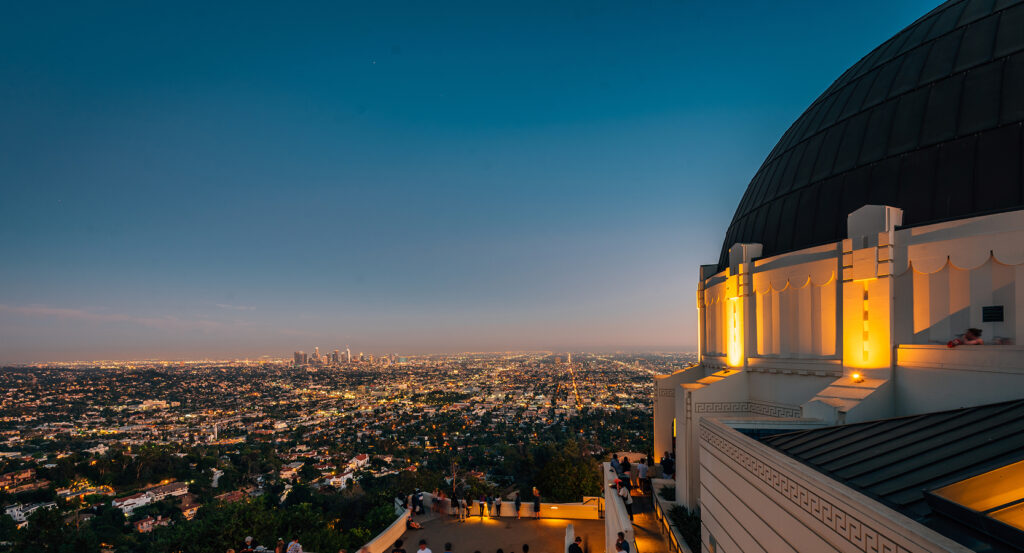
Why you should experience Westlake Boulevard in Los Angeles, California.
Westlake Boulevard is a refined corridor where Westlake Village's planned-community heritage, environmental stewardship, civic investment, and Conejo Valley landscapes define one of eastern Ventura County's principal north, south streets.
Running through Westlake Village between North Ranch and Thousand Oaks Boulevard District, the corridor connects civic facilities, established neighborhoods, recreational landscapes, educational campuses, and commercial centers that collectively reflect the Conejo Valley's carefully planned twentieth-century development. Landscaped medians, mature oak trees, rolling foothills, neighborhood parks, and contemporary civic architecture preserve a streetscape shaped by coordinated planning and long-term public investment. Schools, local businesses, recreation facilities, healthcare providers, and community organizations continue reinforcing the boulevard's importance within Westlake Village while supporting one of Southern California's most established master-planned communities. The result is an experience defined by environmental preservation, thoughtful urban planning, and the enduring character of the Conejo Valley.
What you should know about Westlake Boulevard.
Westlake Boulevard is best known for serving Westlake Village, a master-planned community initiated during the 1960s by the American-Hawaiian Steamship Company, whose 12,000-acre development transformed former ranchland into one of California's earliest comprehensively planned suburban communities while preserving extensive open space and recreational landscapes. The corridor traverses land historically associated with Rancho El Conejo, the Mexican land grant awarded in 1803 to José Polanco and Ignacio Rodríguez, before later ownership by the Janss Investment Company established the foundation for modern residential and commercial planning throughout the Conejo Valley. Nearby Westlake Lake, completed in 1969, forms the centerpiece of the community through a carefully engineered recreational reservoir supporting shoreline neighborhoods, boating, and public open space while remaining jointly managed by the Westlake Lake Management Association. Westlake Boulevard also benefits from continuing investment through the City of Thousand Oaks General Plan, transportation improvements, oak woodland conservation programs, and environmental policies administered by the Conejo Open Space Conservation Agency, strengthening mobility, habitat preservation, and sustainable growth throughout the corridor.
The nearby Conejo Valley Botanic Garden, established in 1973, preserves 33 acres featuring native California plant collections, Mediterranean landscapes, demonstration gardens, and educational programs supporting regional horticultural research. Los Robles Greens Golf Course, opened in 1966, became one of the Conejo Valley's earliest municipal golf facilities while complementing Thousand Oaks' commitment to public recreation and open-space planning. The Stagecoach Inn Museum, originally constructed in 1876, preserves one of the oldest surviving buildings in the Conejo Valley while interpreting regional transportation, ranching, and pioneer history through exhibits maintained by the Conejo Valley Historical Society. The City of Thousand Oaks continues expanding bicycle infrastructure, park improvements, environmental restoration projects, and transportation planning surrounding Westlake Boulevard to preserve the community's balance between urban development and protected natural landscapes.
How to fold Westlake Boulevard into your trip.
Westlake Boulevard works as an exploration of the Conejo Valley's planned communities, natural landscapes, and regional history.
Begin at Conejo Valley Botanic Garden, where native plant collections, hillside trails, and educational exhibits introduce the environmental stewardship that defines the surrounding community before following Westlake Boulevard through landscaped neighborhoods and civic spaces. Continue to Westlake Lake, where shoreline pathways, carefully planned residential landscapes, and scenic water views deepen the story of the community's master-planned origins while naturally leading toward one of the region's oldest preserved historic sites. Conclude at Stagecoach Inn Museum, where nineteenth-century architecture, pioneer artifacts, and exhibits documenting transportation and ranching history provide a fitting finale celebrating the historical foundations beneath the modern Conejo Valley. The progression moves naturally from environmental conservation to planned urban development before concluding with regional history, revealing why Westlake Boulevard continues expressing the enduring vision that shaped Westlake Village.
Where your story begins.
Foresyte Travel reveals places that feel extraordinary long before you arrive.
Experience premium editorial crafted for luxury travelers.





































































































