
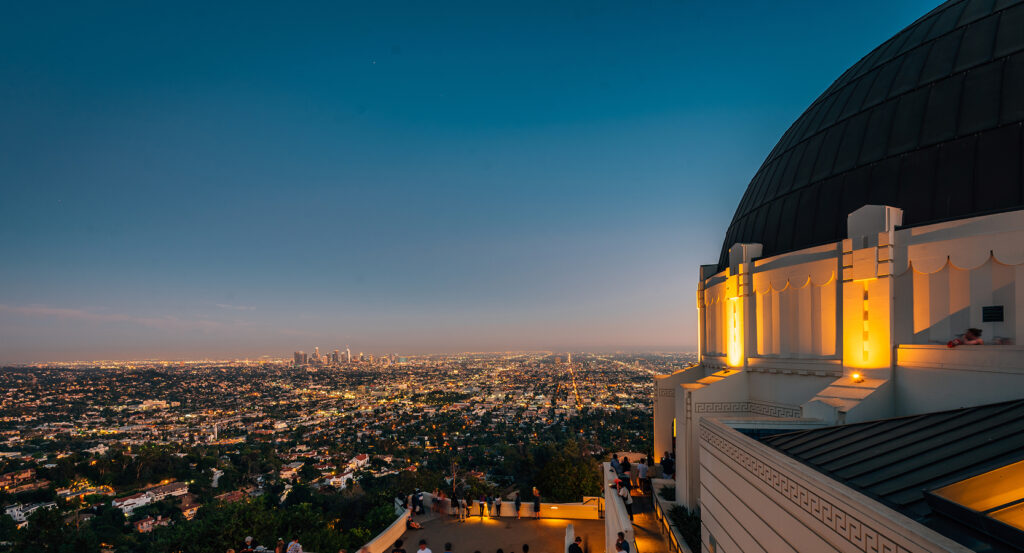
Why you should experience Carbon Beach in Los Angeles, California.
Carbon Beach is an exclusive oceanfront retreat where Malibu's renowned coastline, architectural prestige, Pacific beauty, and relaxed coastal lifestyle converge along one of California's most celebrated stretches of sand.
Set along Pacific Coast Highway near Carbon Canyon Road and just steps from Malibu Pier, the shoreline combines broad sandy beaches, gentle surf, dramatic ocean panoramas, and some of Southern California's most distinguished beachfront residences into a setting that has long embodied Malibu's international reputation. At low tide, expansive wet sand and tide pools reveal a remarkably walkable shoreline beneath elegant bluff-top homes, while uninterrupted views extend across Santa Monica Bay toward the Palos Verdes Peninsula. Throughout the day, walkers, surfers, photographers, and beachgoers experience a coastline where natural beauty remains the defining attraction despite decades of celebrity association and architectural distinction. The result is an experience defined by coastal elegance, scenic tranquility, and one of Malibu's most recognizable public beaches.
What you should know about Carbon Beach.
Carbon Beach is best known as the 1.5-mile shoreline extending between Malibu Lagoon State Beach and Carbon Canyon, occupying one of the most valuable residential waterfront corridors in the United States while remaining subject to California's constitutional guarantee of public coastal access under the California Coastal Act of 1976. The beach derives its name from Carbon Canyon, whose watershed reaches the Pacific at the eastern end of Malibu, while the surrounding coastline developed rapidly following construction of the Roosevelt Highway, later designated Pacific Coast Highway, in the late 1920s, transforming Malibu from an isolated ranching community into Southern California's premier oceanfront residential enclave. Carbon Beach became nationally significant through a series of landmark California Coastal Commission decisions and public-access easement agreements requiring lateral shoreline access below the mean high tide line and expanding vertical access through dedicated public entryways, reinforcing longstanding protections administered by the California Coastal Commission, California State Parks, and Los Angeles County. The shoreline also lies immediately east of Malibu Pier, originally constructed in 1905 by Frederick Hastings Rindge for shipping hides, beans, and other products from Rancho Topanga Malibu Sequit before becoming one of Malibu's defining historic landmarks, while nearby Malibu Lagoon preserves one of Southern California's most ecologically significant coastal estuaries supporting hundreds of migratory bird species and sensitive wetland habitats.
Carbon Beach gained the nickname “Billionaire's Beach” during the late twentieth century as prominent business leaders, entertainers, and entrepreneurs constructed architecturally significant residences along the shoreline, creating one of the nation's highest concentrations of high-value beachfront real estate. Ongoing litigation, Coastal Commission enforcement actions, and California Supreme Court decisions have repeatedly reaffirmed the public's right to access and traverse the beach below the mean high tide line despite adjacent private ownership, making Carbon Beach an important case study in coastal access law. The surrounding Santa Monica Bay continues supporting marine conservation initiatives, beach water-quality monitoring, shoreline restoration, and habitat protection coordinated by the Santa Monica Bay National Estuary Program, Los Angeles County Department of Public Health, and California environmental agencies. Together, these legal precedents, historic landmarks, environmental resources, and coastal management efforts demonstrate how Carbon Beach evolved into one of California's most influential public shorelines while remaining central to Malibu's environmental, cultural, and legal identity.
How to fold Carbon Beach into your trip.
Carbon Beach works as the culmination of a day exploring Malibu's extraordinary blend of coastal history, natural beauty, and Pacific landscapes.
Begin at Malibu Lagoon State Beach, where wetlands, interpretive trails, and California history introduce the remarkable ecological diversity that defines Malibu's coastline before heading east along the shore. Continue to Adamson House Museum, whose celebrated Spanish Colonial Revival architecture, historic gardens, and Rancho Malibu history provide exceptional insight into the community's early development. Continue to Malibu Pier, where more than a century of maritime history, panoramic ocean views, and enduring cultural significance establish one of California's most recognizable waterfront landmarks before strolling down the shoreline. Conclude at Carbon Beach, where broad sands, elegant oceanfront scenery, and uninterrupted Pacific vistas provide a fitting finale that showcases one of Southern California's most celebrated coastal landscapes.
Where your story begins.
Foresyte Travel reveals places that feel extraordinary long before you arrive.
Experience premium editorial crafted for luxury travelers.





































































































