
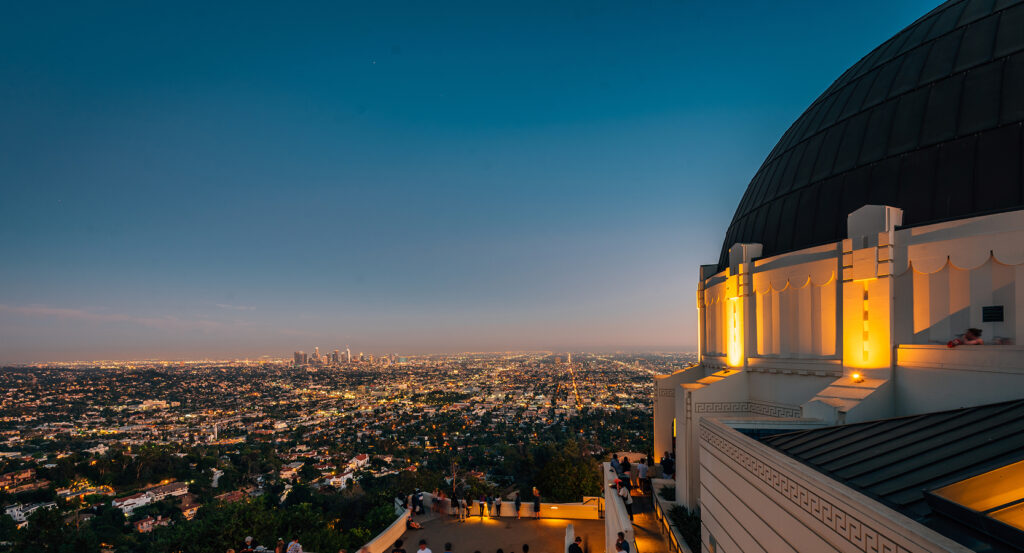
Why you should experience Downtown Covina in Los Angeles, California.
Downtown Covina is a welcoming enclave where San Gabriel Valley history, entrepreneurial ambition, architectural heritage, and community culture converge into one of the region's most enduring commercial districts.
Positioned between Charter Oak, West Covina, and San Dimas, preserved commercial blocks, civic buildings, neighborhood restaurants, and public gathering spaces create a setting where more than a century of local enterprise remains visible throughout the city center. Independent cafés, specialty retailers, breweries, performance venues, and family-owned businesses enrich the district while revealing why Downtown Covina remains the city's commercial and civic heart. Early twentieth-century storefronts stand comfortably beside thoughtfully renovated business spaces, reflecting steady adaptation across successive generations of economic change. The result is an experience defined by architectural character, entrepreneurial vitality, and a district that continues anchoring Covina's identity.
What you should know about Downtown Covina.
Downtown Covina is best known for developing after the arrival of the Southern Pacific Railroad in 1887, which transformed a citrus-growing settlement into an expanding commercial center serving eastern Los Angeles County before Covina incorporated as a city in 1901. Growth accelerated during the citrus industry's peak as packing houses, banks, hotels, theaters, and mercantile buildings concentrated along Citrus Avenue and Badillo Street, establishing a compact downtown that remained the focal point of business activity throughout the twentieth century. The district continues to benefit from regional accessibility through Interstate 10, the Metro A Line's Covina Station served by Foothill Transit connections, and nearby State Route 57, while preserved commercial architecture documents architectural styles ranging from Classical Revival and Spanish Colonial Revival to Mid-century Modern. Revitalization initiatives, façade rehabilitation, adaptive reuse, and locally owned businesses have sustained the district's historical role while supporting restaurants, entertainment, professional offices, and community events within Covina's original commercial core.
Architectural history remains prominently expressed at Covina Center for the Performing Arts, where the restored 1920 Covina Theatre continues hosting concerts, theatrical productions, film presentations, and civic programming within one of the district's best-preserved historic buildings. Public life gathers around Covina Park, whose mature trees, memorials, performance pavilion, and annual festivals provide a shared civic setting that reinforces the relationship between the downtown business district and the surrounding neighborhoods. Commercial continuity carries forward along Citrus Avenue, where preserved storefronts, neighborhood restaurants, independent retailers, and long-established businesses reflect the corridor that first emerged alongside the railroad and continues serving as Downtown Covina's principal commercial spine. Together, these places show how preservation, cultural programming, and local enterprise have guided the district's development from its citrus-era origins into the present day.
How to fold Downtown Covina into your trip.
Downtown Covina works as a half-day exploration of historic architecture, neighborhood businesses, and community gathering spaces.
Begin at Covina Center for the Performing Arts, where restored architecture and a full calendar of performances establish the district's cultural foundation before the route transitions into the surrounding civic center. Continue to Covina Park, whose shaded grounds, public spaces, and seasonal events broaden the experience while highlighting the city's longstanding investment in shared gathering places. Conclude along Citrus Avenue, where historic commercial buildings, independent restaurants, specialty shops, and neighborhood cafés provide a fitting finale celebrating the business corridor that has anchored Downtown Covina since the railroad era. The itinerary moves naturally from performing arts through civic space before concluding within the commercial street that continues defining the district.
Where your story begins.
Foresyte Travel reveals places that feel extraordinary long before you arrive.
Experience premium editorial crafted for luxury travelers.





































































































