
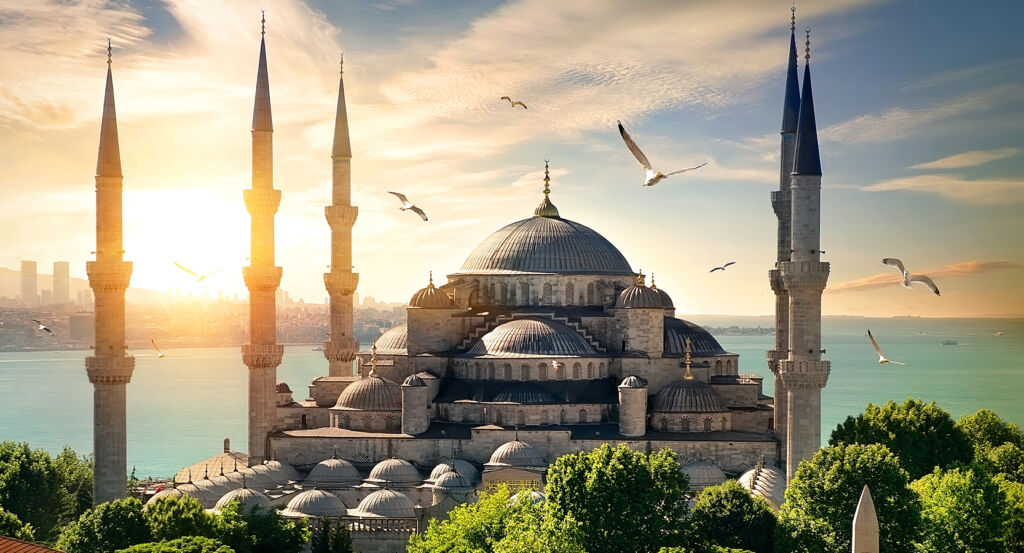
Why you should experience Findikzade in Istanbul, Turkey.
Findikzade is a historic urban neighborhood where centuries of imperial history, residential life, and everyday Istanbul culture converge along one of the principal gateways into the Historic Peninsula.
Bustling avenues, neighborhood markets, historic institutions, residential streets, and convenient transportation links create a district that offers an authentic glimpse into daily life within the old city. Positioned along the route connecting the ancient land walls to the heart of historic Constantinople, Findikzade has long occupied an important place within Istanbul's urban fabric. Generations of residents, students, merchants, and travelers have passed through its streets, contributing to a neighborhood character rooted in continuity and community. Historic landmarks remain interwoven with modern apartment buildings, local businesses, and civic institutions that serve the surrounding population. The district's central location provides easy access to many of Istanbul's most famous monuments while maintaining a distinctly local atmosphere. To the east, Aksaray's commercial corridors and transportation hubs extend naturally from Findikzade toward the center of the Historic Peninsula, reinforcing the neighborhood's position within one of the city's most important urban corridors. Every avenue, public square, and neighborhood street reflects a district shaped by history, connectivity, and everyday life.
What you should know about Findikzade.
Findikzade is best known for being located along the historic route connecting the Theodosian Walls to the heart of Constantinople, a corridor that played a vital role in the movement of people, commerce, and imperial authority for centuries.
As one of the principal approaches into the Byzantine and later Ottoman capital, the area witnessed the continual flow of merchants, pilgrims, soldiers, officials, and travelers entering and leaving one of the world's most influential cities. Its strategic position helped support residential development, educational institutions, religious complexes, and commercial activity that served both local communities and those passing through the district. Over time, the neighborhood became integrated into the daily functioning of the imperial capital while preserving its importance as a key urban connection point. Today, traces of this historical role remain visible in the district's layout and relationship to surrounding neighborhoods. Few areas within the Historic Peninsula are so directly tied to the movement and connectivity that sustained Constantinople across the centuries.
How to fold Findikzade into your trip.
Findikzade works as an exploration of the historic landmarks, neighborhood streets, and urban corridors that define one of the Historic Peninsula's most authentic residential districts.
Begin at the Vaview Aqueduct, where the neighborhood's defining connection to the infrastructure of ancient Constantinople immediately comes into focus. Continue toward Haseki Sultan Complex, whose architectural and social legacy reveals the charitable institutions that helped shape life in Ottoman Istanbul. From there, make your way along Millet Avenue, where local businesses, transportation links, and everyday neighborhood activity provide a broader perspective on the district's role within the city. Along the route, you'll encounter historic mosques, educational institutions, neighborhood cafés, residential streets, public spaces, local markets, and architectural landmarks that showcase the neighborhood's remarkable depth. The progression moves naturally from Roman engineering marvel to Ottoman civic complex to modern urban corridor, revealing the forces that shaped the neighborhood. Findikzade remains one of the city's most genuine districts, preserving a remarkable balance between historical significance, local character, and urban accessibility.
Where your story begins.
Foresyte Travel reveals places that feel extraordinary long before you arrive.
Experience premium editorial crafted for luxury travelers.





































































































