
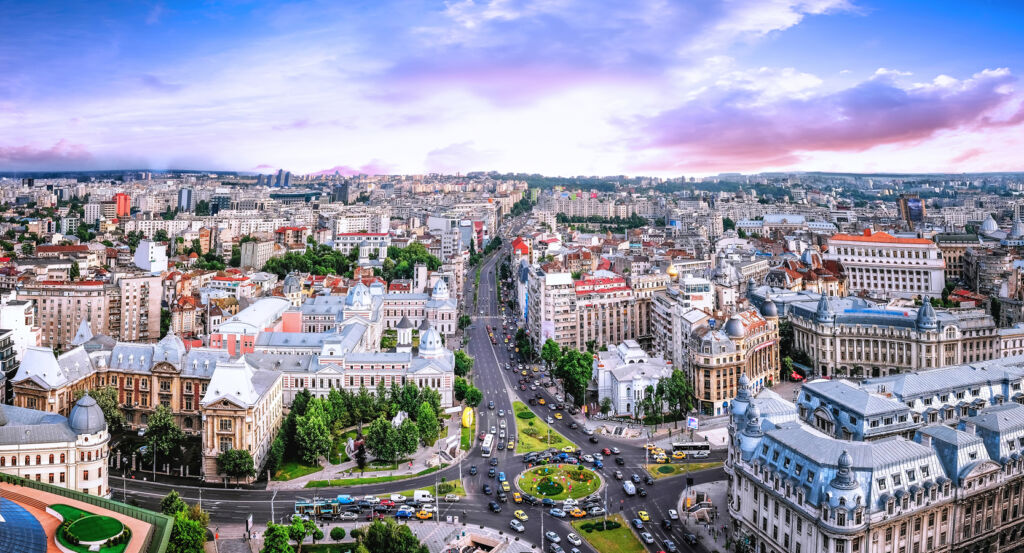
Why you should experience Hotel Cismigiu in Bucharest, Romania.
Hotel Cismigiu is where interwar Bucharest elegance, artistic independence, and lived-in urban culture converge into a stay that feels intellectually charged, grounded, and inseparable from the city's creative heartbeat.
Situated directly across from Cismigiu Gardens, Bucharest's oldest and most beloved park, the hotel occupies a historic corner of the city where writers, artists, architects, and thinkers have passed through for generations. Arrival immediately feels different from institutional luxury or polished modern hotels. The building carries presence rather than polish, signaling history through proportion, texture, and patina instead of performance. Stepping inside, the atmosphere is unmistakably bohemian yet composed. Interiors reflect a careful balance between preservation and reinterpretation, original architectural bones remain visible, while contemporary elements are introduced with restraint and intention. There is a sense of narrative continuity here, as though the building has evolved naturally alongside the city. Public spaces feel social. Seating arrangements encourage conversation, lingering, and quiet observation. Light filters through tall windows, interacting with worn wood, exposed details, and subtle color accents that give the space warmth and personality. The energy is calm but alive, the kind of environment where ideas feel welcome. Guest rooms extend this character with individuality. Rooms are spacious, thoughtfully laid out, and designed to feel residential. Furnishings favor texture and form over trend, wooden surfaces, upholstered seating, curated art, and thoughtful lighting create an atmosphere that feels both creative and restorative. Beds are substantial and comfortable, dressed in quality linens that prioritize sleep. Workspaces feel purposeful, encouraging writing, thinking, or quiet focus. Windows often frame views of Cismigiu Gardens or surrounding streets, keeping the city's rhythm gently present throughout the day. Bathrooms are modernized with care, balancing contemporary comfort with the building's historic identity. Walk-in showers, quality fixtures, and clean-lined finishes support daily routines. Suites deepen the experience with expanded layouts, separate living areas, and a sense of permanence that makes longer stays feel natural. Dining is central to Hotel Cismigiu's identity. The on-site restaurant and café spaces operate as cultural extensions of the hotel. Meals unfold with an emphasis on conversation and atmosphere. The culinary approach is thoughtful and grounded, favoring quality ingredients and honest execution over theatrical presentation. The café culture surrounding the hotel reinforces its role as a gathering point, not just for guests, but for locals who return repeatedly, creating an environment that feels authentic. Service throughout the hotel is relaxed, informed, and quietly engaged. Staff interactions feel human and present, guided by familiarity with the building and its guests. Recommendations tend to be precise and personal, reflecting genuine connection to the surrounding neighborhood and cultural life. The location completes the experience. With Cismigiu Gardens directly across the street, mornings begin with greenery, movement, and soft city sounds.
What you should know about Hotel Cismigiu.
Hotel Cismigiu occupies a building that has long functioned as a social and cultural node within Bucharest's interwar and postwar creative life.
Constructed during a period when Bucharest was asserting itself as a European cultural capital, the building originally housed a mix of residential apartments, studios, and gathering spaces frequented by artists, writers, and academics. Its proximity to Cismigiu Gardens made it a natural meeting point, park walks often flowed directly into conversations inside cafés and salons nearby. Over decades, the building absorbed layers of history. Unlike properties that underwent total erasure during modernization waves, this structure retained its original proportions, staircases, and spatial rhythms. These elements now give the hotel its distinctive sense of continuity. Restoration efforts focused on preservation rather than reinvention, allowing imperfections to remain where they added character rather than detracted from comfort. A lesser-known aspect of Hotel Cismigiu is its role as a quiet cultural incubator. Even today, the hotel attracts creatives, intellectuals, and long-stay guests who use its spaces as informal offices, meeting points, and thinking environments. This has shaped an atmosphere that feels intellectually alive. Design choices throughout the hotel reinforce this character. Materials were selected to age rather than impress, wood that gains depth, metal that develops patina, surfaces that show use without degradation. Artwork and furnishings are chosen for narrative resonance rather than trend alignment, creating an environment that rewards attention and familiarity over time. Sustainability is approached implicitly. Rather than marketing initiatives, the hotel's longevity-focused design and adaptive reuse of an existing structure represent a form of environmental responsibility rooted in continuity and care. Service culture reflects this same philosophy. Staff are trained to read context and respect autonomy, allowing guests to engage with the hotel and city on their own terms. This creates an environment of trust and ease that many guests find grounding, particularly during longer stays. Over time, Hotel Cismigiu has developed a reputation as a place people return to not because it dazzles, but because it feels intellectually honest. It offers something rare in modern hospitality: a sense that the building remembers, listens, and participates quietly in the life of the city.
How to fold Hotel Cismigiu into your trip.
Hotel Cismigiu works as a cultural anchor for a Bucharest stay shaped by curiosity, rhythm, and intentional wandering.
Begin mornings with a walk through Cismigiu Gardens, letting the park's paths, trees, and passing locals set a gentle pace for the day. From there, cafés and cultural institutions are easily reached on foot, making exploration feel fluid. Late mornings lend themselves to museums, galleries, or simply sitting with a book in the park before drifting back to the hotel for coffee or lunch. Midday returns feel natural. Use your room or a public space to reset, write, read, or reflect, before heading back out. Afternoons can unfold through Bucharest's historic streets, bookstores, theaters, and neighborhoods that reveal the city's layered character slowly. Evenings are where the hotel's social gravity becomes most apparent. Enjoy dinner on-site or nearby, then settle into the café or lounge where conversations linger and time stretches. The walk back through softly lit streets reinforces the sense of familiarity that develops over multiple days. Over the course of your stay, Hotel Cismigiu becomes more than accommodation. It becomes a reference point, a place where days begin and end with continuity.
Where your story begins.
Foresyte Travel reveals places that feel extraordinary long before you arrive.
Experience premium editorial crafted for luxury travelers.





































































































