
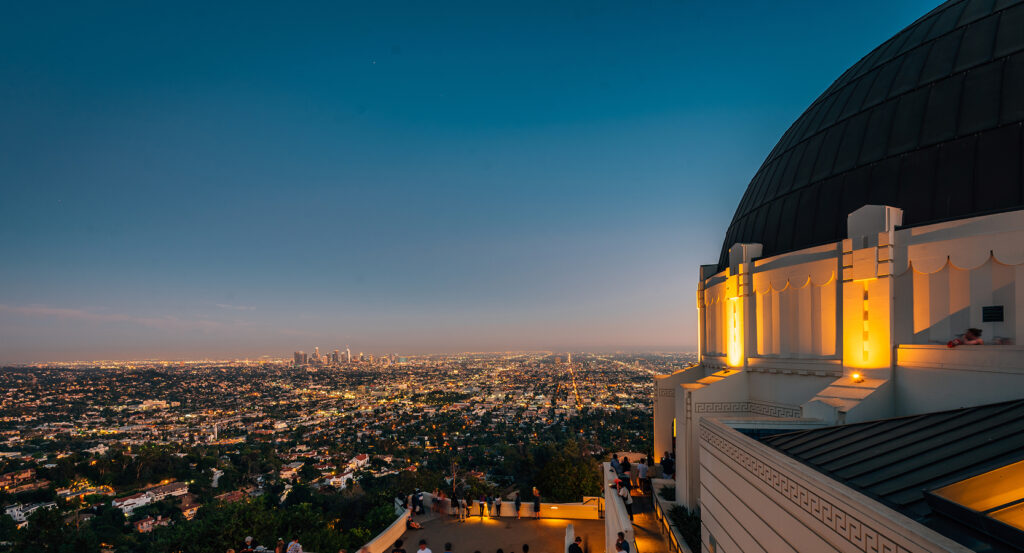
Why you should experience Madera Road in Los Angeles, California.
Madera Road is a dynamic corridor where Central Simi Valley's planned neighborhoods, civic institutions, natural landscapes, and commercial vitality define one of the city's most important north-south streets.
Running through Central Simi Valley between Wood Ranch and Santa Susana Knolls, the corridor connects neighborhood businesses, public parks, schools, healthcare facilities, and residential communities that collectively reflect the evolution of one of Ventura County's largest cities. Landscaped medians, mature street trees, pedestrian-friendly sidewalks, carefully planned intersections, and mountain views preserve a corridor shaped by comprehensive planning, sustained civic investment, and long-term community stewardship. Municipal agencies, educational institutions, neighborhood organizations, local businesses, and residents continue reinforcing Madera Road's importance while supporting commerce, recreation, education, and public life throughout Simi Valley. The result is an experience defined by neighborhood vitality, scenic surroundings, and the enduring character of Central Simi Valley.
What you should know about Madera Road.
Madera Road is best known for serving as one of the principal north-south corridors through Simi Valley, occupying land formerly associated with the 113,009-acre Rancho Simi, granted in 1795 by Governor Diego de Borica to Santiago Pico and José Joaquín Pico, before acquisition by Robert P. Strathearn in 1887 and subsequent subdivision that encouraged twentieth-century community development. The corridor expanded rapidly following post-World War II residential growth and incorporation of the City of Simi Valley in 1969, linking emerging neighborhoods with schools, civic facilities, employment centers, and regional transportation routes. Madera Road became an essential component of the city's transportation network by connecting State Route 118, commercial districts, and expanding residential communities while supporting carefully planned suburban development across Central Simi Valley. Continued investment by the City of Simi Valley, improvements to bicycle and pedestrian infrastructure, expansion of public parks, and long-term transportation planning have reinforced Madera Road's importance as a corridor connecting civic institutions, recreation, neighborhood commerce, and surrounding communities.
Rancho Simi Community Park, established in 1968, encompasses 100 acres of athletic fields, walking paths, lakes, community facilities, and event spaces that serve as one of the city's principal recreational destinations directly associated with the corridor. Ronald Reagan Presidential Library and Museum, opened in 1991, preserves presidential archives, Air Force One Pavilion exhibits, and nationally significant historical collections overlooking Simi Valley near Madera Road. Strathearn Historical Park and Museum, preserving buildings dating from the late nineteenth and early twentieth centuries, documents the agricultural and ranching history that shaped the Rancho Simi landscape connected to the corridor. Simi Valley Town Center, opened in 2005, strengthened the city's commercial core through regional retail, dining, and public gathering spaces serving neighborhoods connected by Madera Road.
How to fold Madera Road into your trip.
Madera Road works as an exploration of Simi Valley's history, recreation, and civic landmarks.
Begin at Strathearn Historical Park and Museum, where preserved ranch buildings, historical exhibits, and landscaped grounds introduce the early history surrounding Madera Road before continuing through Central Simi Valley. Continue to Rancho Simi Community Park, where expansive recreation facilities, lakes, and mature landscaping provide deeper insight into the community-centered public spaces that define the city. Conclude at Ronald Reagan Presidential Library and Museum, where presidential history, remarkable exhibitions, and panoramic valley views provide a memorable finale celebrating one of Ventura County's most significant cultural institutions. The progression moves naturally from local history to community recreation before concluding with nationally significant presidential history, revealing why Madera Road continues expressing the enduring character of Central Simi Valley.
Where your story begins.
Foresyte Travel reveals places that feel extraordinary long before you arrive.
Experience premium editorial crafted for luxury travelers.





































































































