
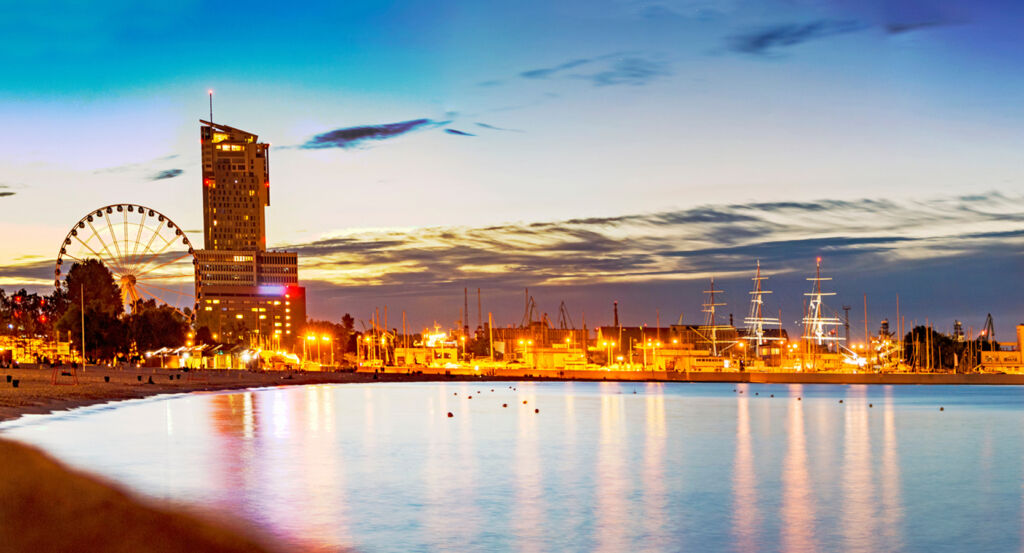
Why you should experience Sea Hostel in Gdynia, Poland.
Sea Hostel is Gdynia stripped to immediacy and openness, a place where the city's coastal energy meets shared momentum and where staying is less about retreat and more about participation.
Gdynia is a city that rewards proximity and presence. Its scale is navigable, its waterfront inviting, and its rhythm shaped by people who move between work, sea, and social life. Sea Hostel exists squarely within that flow. From the moment you arrive, the tone is direct and unpretentious. There is no buffer between you and the city, no attempt to soften or curate the experience into something else. Arrival feels social and immediate, grounded in the understanding that travel here is about connection as much as rest. Inside, the atmosphere is lively but grounded, shaped by shared spaces that prioritize interaction. Public areas feel open and flexible, allowing conversations to form naturally or solitude to exist comfortably within a communal setting. The design is functional and honest, favoring clarity and durability over ornament. Light moves freely through the space, reinforcing a sense of time and orientation that keeps the day legible even when plans are loose. The hostel feels tuned to the reality of travelers who are here to explore, meet people, and move. Sleeping spaces reflect this character of practical comfort. They are designed to support rest without isolating guests from the shared experience. Beds are supportive and cleanly composed, offering real recovery after long days of walking, swimming, or social engagement. Lighting is thoughtful and controlled, allowing individual comfort within a collective environment. Storage solutions are practical and sufficient, supporting mobility. Sound is managed with care, acknowledging that shared living requires balance between activity and rest. The rooms feel respectful rather than anonymous, reinforcing that communal travel can still be considered. Dining and kitchen facilities at Sea Hostel reinforce its social orientation. Shared spaces encourage interaction around food without pressure, allowing guests to cook, eat, or gather according to their own rhythm. These areas often become the connective tissue of the stay, where plans are exchanged, routes are suggested, and the city is experienced through other people's stories. Step outside and Gdynia is immediately accessible. The waterfront, transport links, cafés, and everyday city life are all within reach, making it easy to move between solitude and engagement throughout the day. Returning to the hostel feels like re-entering a shared current. This is a place for travelers who value openness over insulation, who understand that comfort can coexist with social energy, and who want their stay to feel active.
What you should know about Sea Hostel.
Sea Hostel reflects a contemporary approach to coastal travel that prioritizes access, affordability, and shared experience over traditional notions of hospitality hierarchy.
Gdynia's character as a modern port city has long attracted younger travelers, students, seasonal workers, and independent explorers who move through the city with flexibility. Sea Hostel aligns naturally with this demographic by offering a base that supports mobility and connection. Its location within the city fabric allows guests to engage directly with Gdynia's everyday life, from public transport to neighborhood cafés. Internally, the hostel's design philosophy emphasizes usability and social flow. Spaces are designed to accommodate interaction without overwhelming those who prefer quiet participation. Materials are chosen for resilience and ease of maintenance, ensuring the environment remains welcoming across high turnover and varied use. This balance between openness and order is critical in shared accommodations, and Sea Hostel maintains it with intention. Service culture mirrors this communal alignment. Interactions are friendly, informal, and grounded, delivered with an understanding that guests often arrive seeking orientation as much as accommodation. Hospitality here is about inclusion rather than formality, creating an environment where guests feel comfortable asking questions, sharing plans, or simply coexisting. Over time, Sea Hostel has become a familiar stop for travelers who return to Gdynia repeatedly, drawn by the city's balance of coast and culture. Its appeal lies not in luxury or escape, but in accessibility and authenticity. In a city that values movement and modernity, Sea Hostel represents a hospitality model built on shared momentum.
How to fold Sea Hostel into your trip.
Sea Hostel works best when you allow it to become part of your social and logistical structure rather than treating it as a place you disappear into at night.
Begin your stay by engaging with the shared spaces early. Introduce yourself, observe the flow, and let the environment provide orientation before committing to plans. Mornings are well suited for informal exchanges, breakfast conversations that turn into walking companions or ferry plans. Use the hostel as a flexible base. Its central access makes it easy to step out for short explorations and return. Midday, the shared areas offer natural pause points to rest, plan, or connect before heading back out. Afternoons in Gdynia often unfold organically, shaped by weather, water, and chance encounters, and the hostel's open structure supports that fluidity. Evenings tend to gather energy. Shared kitchens and common areas become spaces where the day is processed collectively or quietly, depending on your mood. The environment allows you to participate without obligation, which is key to sustainable social travel. Over multiple days, this rhythm compounds into familiarity. Gdynia begins to feel navigable not only through maps but through people. By the time you depart, Sea Hostel will not feel like a temporary shelter. It will feel like the point where movement, connection, and rest intersected. The hostel does not attempt to redefine Gdynia or package it into an experience. It offers something simpler and more honest: a place where access is immediate, community is optional but available, and the city is encountered directly, one shared moment at a time.
Where your story begins.
Foresyte Travel reveals places that feel extraordinary long before you arrive.
Experience premium editorial crafted for luxury travelers.





































































































