
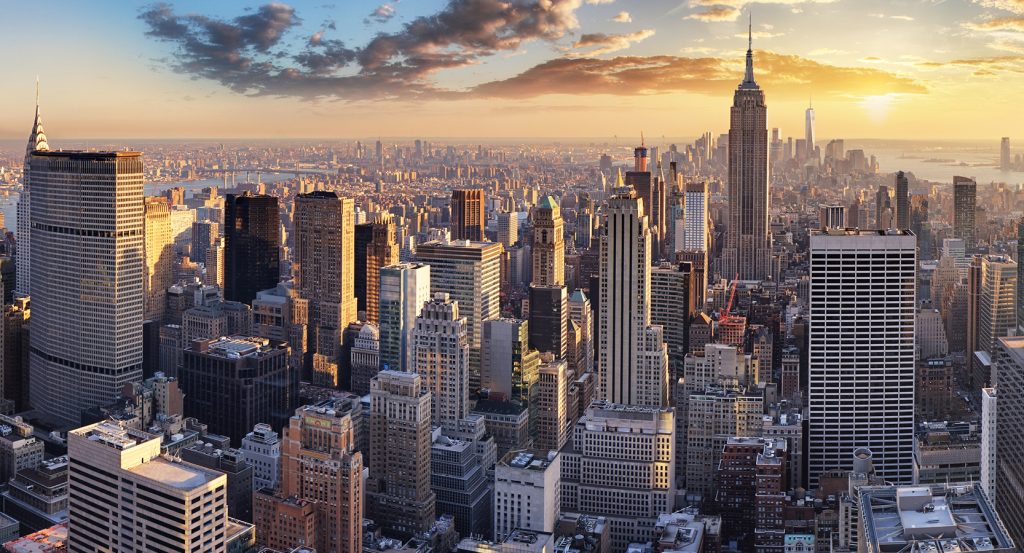
Why 51st Street matters.
51st Street is a welcoming corridor where Sunset Park's industrial heritage, multicultural traditions, residential continuity, and architectural character continue defining one of Brooklyn's most enduring neighborhoods.
Running through Sunset Park between Borough Park and Bay Ridge, the street passes early twentieth-century rowhouses, neighborhood churches, mature tree-lined blocks, and longstanding local institutions that reflect more than a century of carefully sustained urban development. The corridor preserves the cohesive residential fabric established during the neighborhood's principal era of growth while illustrating its continuing evolution through successive immigrant communities and locally rooted businesses. Walking along 51st Street reveals a streetscape where historic architecture, neighborhood traditions, and everyday civic life remain closely connected. The result is a corridor where industrial history and multicultural character continue shaping Southwest Brooklyn.
What you should know 51st Street.
51st Street is best known for extending through Sunset Park, whose transformation accelerated following Brooklyn's late nineteenth-century industrial expansion and the opening of the Fourth Avenue Subway in 1915, creating rapid transit connections that encouraged extensive residential construction throughout the surrounding neighborhood. During the first decades of the twentieth century, speculative builders introduced cohesive rows of brick and limestone houses, apartment buildings, churches, and neighborhood commercial corridors that accommodated workers employed throughout Brooklyn's expanding manufacturing and maritime economy. Residential construction followed consistent development patterns characterized by Renaissance Revival, Romanesque Revival, Neo-Grec, and Colonial Revival architecture, producing streetscapes that remain largely intact across the corridor today. Continued investment in transportation infrastructure, preservation initiatives, and neighborhood stewardship has enabled 51st Street to retain much of the architectural character established during the neighborhood's defining era of development.
Along the corridor, Green-Wood Cemetery, incorporated in 1838 and designed by David Bates Douglass, established one of America's earliest rural cemeteries while preserving an extraordinary collection of funerary sculpture, landscape architecture, and nationally significant burial sites immediately bordering the surrounding neighborhood. Nearby the Federal Building and U.S. Post Office, completed in 1936 in the Colonial Revival style, reflects New Deal-era federal investment that accompanied the district's continued residential and commercial growth during the twentieth century. The nearby Our Lady of Perpetual Help Basilica, completed in 1901 and elevated to minor basilica status in 1969, remains one of Brooklyn's most significant Roman Catholic landmarks through its Romanesque Revival architecture and longstanding role within generations of immigrant communities. Together, these historic landscapes, civic buildings, and religious institutions demonstrate how 51st Street developed within a neighborhood whose residential character is reinforced by an equally remarkable concentration of preserved cultural and architectural landmarks.
How 51st Street fits.
51st Street is best experienced through an afternoon exploring Sunset Park's public spaces, industrial reinvention, and waterfront scenery.
Begin at Sunset Park, where elevated lawns, athletic fields, and panoramic views across New York Harbor introduce the landscape that gives the neighborhood its name. Continue to Industry City, where historic manufacturing buildings have been transformed into a destination for designers, independent retailers, artists, restaurants, and makers while preserving the district's industrial character. Conclude at Bush Terminal Piers Park, where restored shoreline habitats, fishing piers, and sweeping harbor vistas provide a memorable finale celebrating Brooklyn's enduring relationship with the waterfront. The progression moves naturally from the neighborhood's defining green space to its industrial renaissance before concluding along the harbor, revealing how 51st Street connects residential Brooklyn with one of the borough's most compelling maritime landscapes.
Where your story begins.
Foresyte Travel reveals places that feel extraordinary long before you arrive.
Enjoy editorial crafted for luxury travelers.
Foresyte may earn a commission when you book.







































































































