
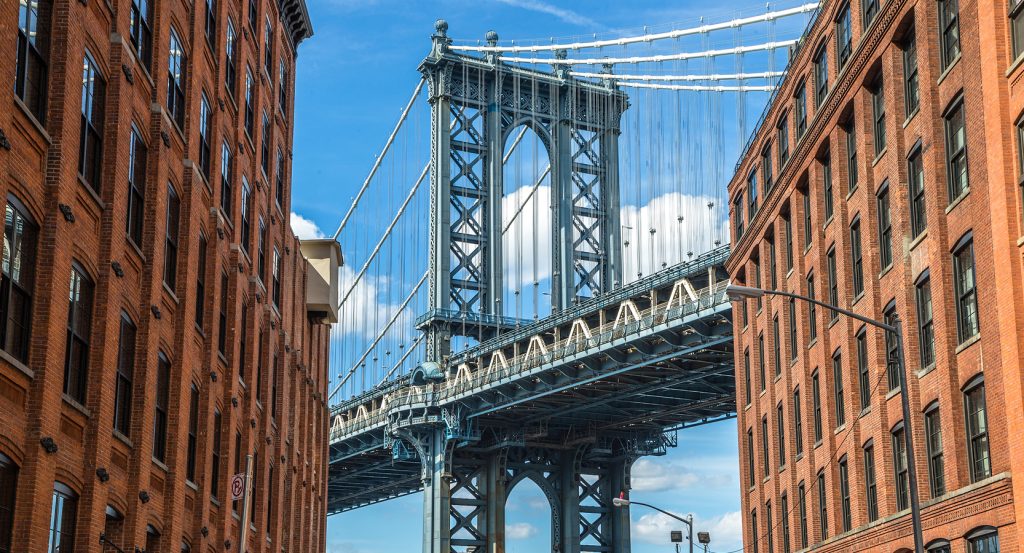
Why you should experience Howard Avenue in New York, NY.
Howard Avenue is a historic Central Brooklyn corridor where neighborhood resilience, architectural heritage, and community life converge along one of the borough's enduring residential avenues.
Running through Brownsville and Bedford-Stuyvesant, this historic corridor connects landmark churches, neighborhood businesses, community institutions, historic apartment buildings, and tree-lined residential blocks that collectively reflect Brooklyn's remarkable social and architectural evolution. Early twentieth-century rowhouses, brick apartment buildings, locally owned storefronts, welcoming public spaces, and longstanding civic institutions create a streetscape where generations of Brooklyn families have shaped the neighborhood's identity. Howard Avenue developed during Brooklyn's rapid residential expansion of the late nineteenth and early twentieth centuries, serving working-class communities whose resilience and civic pride continue to define the surrounding neighborhoods. The result is a corridor defined by neighborhood character, historical continuity, and community strength.
What you should know about Howard Avenue.
Howard Avenue is best known for being home to the Brownsville Recreation Center, among eleven Art Moderne recreation centers constructed by the Works Progress Administration under Parks Commissioner Robert Moses between 1934 and 1936.
Designed during one of New York City's most ambitious public recreation initiatives, the center expanded access to indoor athletics, swimming, education, and community programming for thousands of Brooklyn residents during the Great Depression. Its striking Art Moderne architecture reflected a broader civic commitment to investing in neighborhood infrastructure despite the nation's economic hardship, while its recreational facilities helped establish Brownsville as a model for community-centered public spaces. Today, the center continues to serve generations of residents while standing as one of Brooklyn's finest surviving examples of New Deal-era civic architecture.
How to fold Howard Avenue into your trip.
Howard Avenue works as an exploration of Brownsville's community history, cultural heritage, and neighborhood landmarks.
Begin at the Brownsville Recreation Center, where one of New York City's landmark WPA civic buildings immediately establishes the avenue's defining historical legacy. Continue toward the Weeksville Heritage Center, where the preserved free Black community founded in 1838 provides powerful historical context for the leadership, entrepreneurship, and resilience that shaped Central Brooklyn. From there, make your way to Betsy Head Park, where expansive recreational grounds and historic public amenities demonstrate the neighborhood's longstanding investment in community life. Along the route, you'll encounter neighborhood cafés, community institutions, architecturally significant public buildings, welcoming green spaces, historic residential blocks, and locally owned businesses that reveal the corridor's exceptional depth. The progression moves naturally from landmark recreation center to nationally significant historic site to celebrated neighborhood park, demonstrating how Howard Avenue connects civic investment, community resilience, and local history within one of Brooklyn's most authentic neighborhoods. Howard Avenue remains one of the borough's most meaningful residential corridors, preserving a distinctive balance between historical significance, neighborhood identity, and everyday community life.
Where your story begins.
Foresyte Travel reveals places that feel extraordinary long before you arrive.
Experience premium editorial crafted for luxury travelers.







































































































