
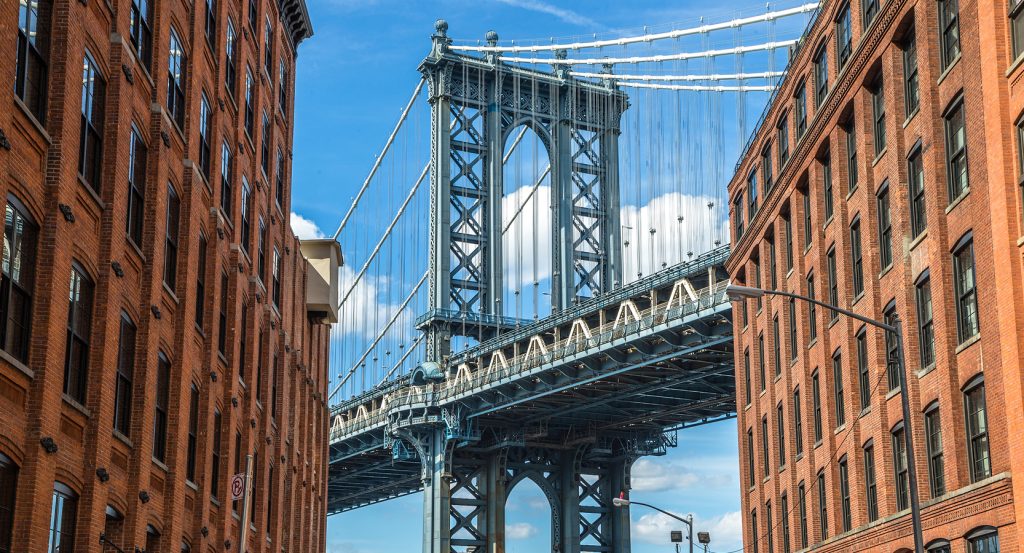
Why you should experience Fenimore Street in New York, NY.
Fenimore Street is a historic Central Brooklyn corridor where residential elegance, Caribbean heritage, and neighborhood resilience converge along one of the borough's most enduring streets.
Running through Prospect Lefferts Gardens and East Flatbush, this welcoming corridor connects landmark rowhouses, historic apartment buildings, neighborhood businesses, community institutions, tree-lined residential blocks, and energetic commercial corridors that collectively reflect Brooklyn's remarkable cultural evolution. Brick townhouses, limestone residences, mature tree canopies, locally owned cafés, architecturally significant churches, and inviting neighborhood parks create a streetscape where generations of families have shaped a strong sense of community. Fenimore Street developed during Brooklyn's early twentieth-century residential expansion, attracting homeowners drawn to its proximity to Prospect Park before becoming part of one of New York City's most culturally diverse neighborhoods. The result is a corridor defined by architectural character, cultural richness, and neighborhood authenticity.
What you should know about Fenimore Street.
Fenimore Street is best known for being home to the Lefferts Historic House, built about 1783 as the oldest surviving house in Prospect Park.
Constructed shortly after the American Revolution for the Lefferts family, the Dutch Colonial farmhouse preserves an extraordinary window into Brooklyn's rural past before the borough's rapid urbanization. Relocated into Prospect Park in 1918 to ensure its preservation, the house now serves as a living history museum interpreting eighteenth- and nineteenth-century life through exhibits, demonstrations, and educational programs. Today, it remains one of Brooklyn's most important surviving colonial landmarks, connecting visitors to the borough's earliest history.
How to fold Fenimore Street into your trip.
Fenimore Street works as an exploration of Prospect Lefferts Gardens' historic architecture, cultural heritage, and green spaces.
Begin at the Lefferts Historic House, where one of Brooklyn's oldest surviving homes immediately establishes the street's defining historical legacy. Continue toward Prospect Park, whose celebrated landscapes designed by Frederick Law Olmsted and Calvert Vaux reveal one of America's greatest urban parks. From there, make your way to the Brooklyn Botanic Garden, where internationally acclaimed gardens and seasonal displays provide broader perspective on the cultural institutions that define the surrounding neighborhood. Along the route, you'll encounter beautifully preserved rowhouses, neighborhood cafés, architecturally significant churches, independent businesses, welcoming public spaces, and tree-lined residential streets that reveal the corridor's exceptional depth. The progression moves naturally from colonial landmark to iconic urban park to world-renowned botanical garden, demonstrating how Fenimore Street connects early American history, neighborhood life, and cultural beauty within one of Brooklyn's most welcoming communities. Fenimore Street remains one of the borough's most rewarding residential streets, preserving a distinctive balance between historical significance, neighborhood character, and everyday community life.
Where your story begins.
Foresyte Travel reveals places that feel extraordinary long before you arrive.
Experience premium editorial crafted for luxury travelers.







































































































