
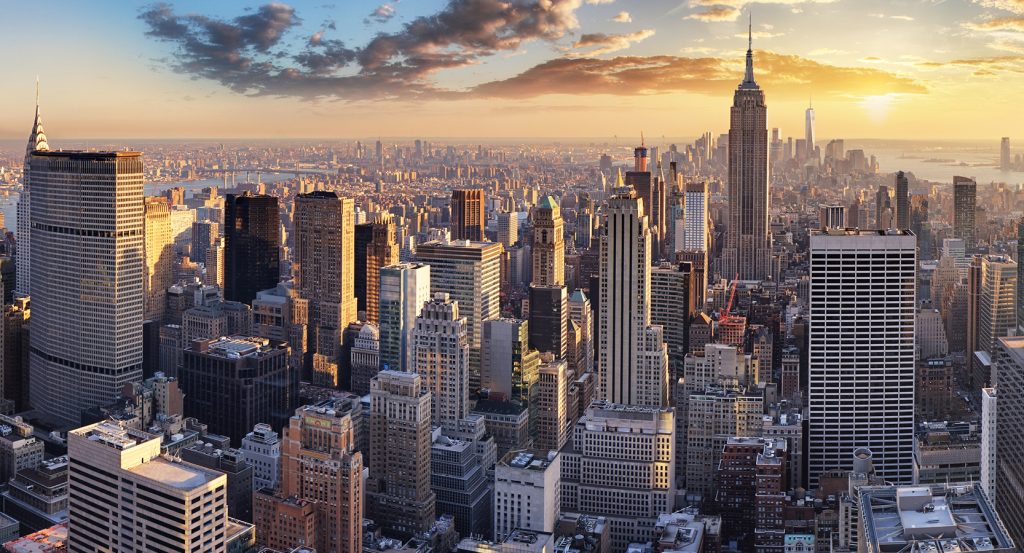
Why you should experience Freeman Street in New York, NY.
Freeman Street is a resilient corridor where Longwood's industrial heritage, neighborhood renewal, cultural diversity, and enduring community spirit shape one of the Bronx's defining streets.
Running through Longwood between Hunts Point and Melrose, the corridor connects historic apartment buildings, neighborhood businesses, schools, community organizations, parks, and civic institutions that collectively reflect more than a century of carefully guided urban development. Brick row houses, early twentieth-century apartment buildings, neighborhood storefronts, public schools, and evolving streetscapes reveal a corridor shaped by manufacturing, rapid transit expansion, immigration, and sustained community investment. Residents, educators, entrepreneurs, artists, families, and neighborhood organizations continue reinforcing Freeman Street's importance while supporting housing, commerce, education, and civic life throughout Longwood. The result is an experience defined by neighborhood continuity, cultural vitality, and the enduring character of one of the South Bronx's most dynamic communities.
What you should know about Freeman Street.
Freeman Street is best known for traversing Longwood, a neighborhood transformed during the late nineteenth and early twentieth centuries by rapid residential construction, expanding industry, and the arrival of elevated and subway transportation throughout the South Bronx. Development accelerated following completion of the nearby IRT White Plains Road Line, whose Freeman Street station opened in 1904, encouraging construction of apartment houses, neighborhood retail corridors, schools, and public institutions across the surrounding district. The corridor also reflects Longwood's evolution from a manufacturing landscape of factories, rail infrastructure, and warehouses into a diverse residential community strengthened through public investment, preservation initiatives, and neighborhood-led revitalization during the late twentieth and early twenty-first centuries. Today Freeman Street reflects more than a century of planning that integrates transportation infrastructure, residential architecture, neighborhood commerce, and community development within one of the Bronx's most historically significant urban corridors.
The corridor's civic character is reinforced by nearby Longwood Historic District, designated by the New York City Landmarks Preservation Commission in 2009, preserving an exceptional collection of Renaissance Revival, Beaux-Arts, and Neo-Grec apartment buildings that document the neighborhood's residential expansion. Cultural leadership continues through The Point Community Development Corporation, founded in 1994, whose environmental, educational, and arts programs have become central to the South Bronx's ongoing revitalization. Nearby Concrete Plant Park, opened in 2009 on the former site of a concrete batching facility, transformed an industrial parcel along the Bronx River into public open space while advancing ecological restoration and waterfront access. Together, these architectural, cultural, and environmental landmarks reveal how Freeman Street has evolved within a community where preservation, civic leadership, and neighborhood renewal continue reinforcing one another.
How to fold Freeman Street into your trip.
Freeman Street works as an exploration of Longwood's architectural heritage, neighborhood revitalization, and Bronx River landscape.
Begin at Concrete Plant Park, where restored waterfront landscapes introduce the environmental transformation shaping the South Bronx. Continue to The Point Community Development Corporation, whose longstanding neighborhood initiatives deepen the corridor's connection to arts, education, and community leadership. Conclude within the Longwood Historic District, where distinguished apartment buildings provide a fitting finale connecting Freeman Street's neighborhood character with one of the Bronx's finest collections of early twentieth-century residential architecture. The progression moves naturally from ecological renewal to civic leadership before concluding with architectural preservation, revealing why Freeman Street remains one of the Bronx's defining corridors for understanding the relationship between community resilience, historic preservation, and urban renewal.
Where your story begins.
Foresyte Travel reveals places that feel extraordinary long before you arrive.
Experience premium editorial crafted for luxury travelers.







































































































