
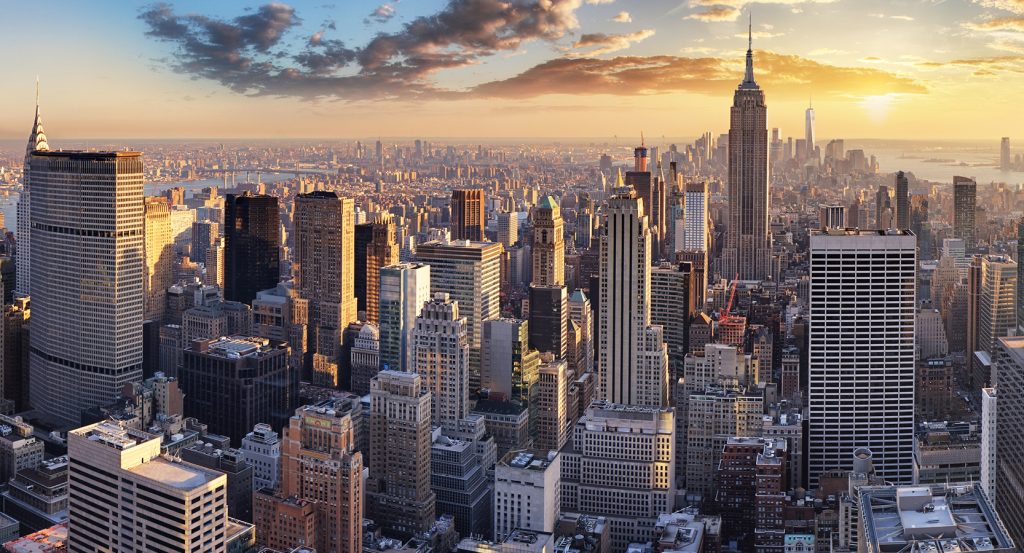
Why you should experience Katonah Avenue in New York, NY.
Katonah Avenue is a welcoming corridor where Woodlawn Heights' Irish heritage, neighborhood tradition, commercial vitality, and enduring sense of community shape one of the Bronx's defining avenues.
Running through Woodlawn Heights between Norwood and Wakefield, the corridor connects historic storefronts, neighborhood businesses, churches, schools, residential blocks, and civic institutions that collectively reflect more than a century of carefully guided urban development. Traditional commercial buildings, established family-owned businesses, brick apartment houses, parish campuses, and tree-lined streets reveal a corridor shaped by streetcar expansion, railroad access, immigration, and sustained neighborhood stewardship. Residents, entrepreneurs, educators, clergy, healthcare professionals, and community organizations continue reinforcing Katonah Avenue's importance while supporting commerce, culture, education, and civic life throughout Woodlawn Heights. The result is an experience defined by neighborhood continuity, cultural identity, and the enduring character of one of the Bronx's most established residential communities.
What you should know about Katonah Avenue.
Katonah Avenue is best known as the commercial heart of Woodlawn Heights, a neighborhood that expanded rapidly during the late nineteenth and early twentieth centuries following improvements to regional rail transportation and residential development in the northern Bronx. The corridor derives its name from the original Village of Katonah, whose name was reassigned after the New York and Harlem Railroad relocated the Westchester community in 1897 to accommodate construction of the New Croton Reservoir, leaving the former route name associated with the avenue in the Bronx. Growth accelerated with the nearby Woodlawn station on the Harlem Line and the extension of the IRT Jerome Avenue Line to Woodlawn in 1918, encouraging apartment construction, neighborhood commerce, and institutional investment throughout the surrounding district. Today Katonah Avenue reflects more than a century of planning that integrates transportation infrastructure, residential architecture, neighborhood commerce, and cultural institutions within one of the Bronx's most historically significant urban corridors.
The corridor's cultural character is reinforced by nearby Woodlawn Cemetery, designated a National Historic Landmark in 2011, whose remarkable collection of mausoleums, landscape design, and notable interments documents more than 150 years of New York history. Educational leadership continues through Manhattan University, founded in 1853 and located just south of Woodlawn Heights in neighboring Riverdale, whose longstanding academic presence contributes to the broader northern Bronx. Nearby Van Cortlandt Park, established in 1888, preserves one of New York City's largest municipal parks with extensive trail systems, athletic facilities, wetlands, and historic landscapes that strengthen the surrounding residential communities. Together, these historical, educational, and recreational institutions reveal how Katonah Avenue has evolved within a neighborhood where heritage, public investment, and community life continue reinforcing one another.
How to fold Katonah Avenue into your trip.
Katonah Avenue works as an exploration of Woodlawn Heights' neighborhood heritage, historic landscapes, and northern Bronx institutions.
Begin at Woodlawn Cemetery, where nationally significant landscape architecture and memorial art introduce the historical character that defines the surrounding community. Continue to Van Cortlandt Park, whose expansive natural landscapes and recreational amenities deepen the corridor's connection to the northern Bronx's celebrated park system. Conclude at Manhattan University, where one of New York's longstanding academic institutions provides a fitting finale connecting Katonah Avenue's neighborhood character with the area's enduring educational tradition. The progression moves naturally from historic memorial landscapes to public parkland before concluding with higher education, revealing why Katonah Avenue remains one of the Bronx's defining corridors for understanding the relationship between transportation, community development, and institutional heritage.
Where your story begins.
Foresyte Travel reveals places that feel extraordinary long before you arrive.
Experience premium editorial crafted for luxury travelers.







































































































