
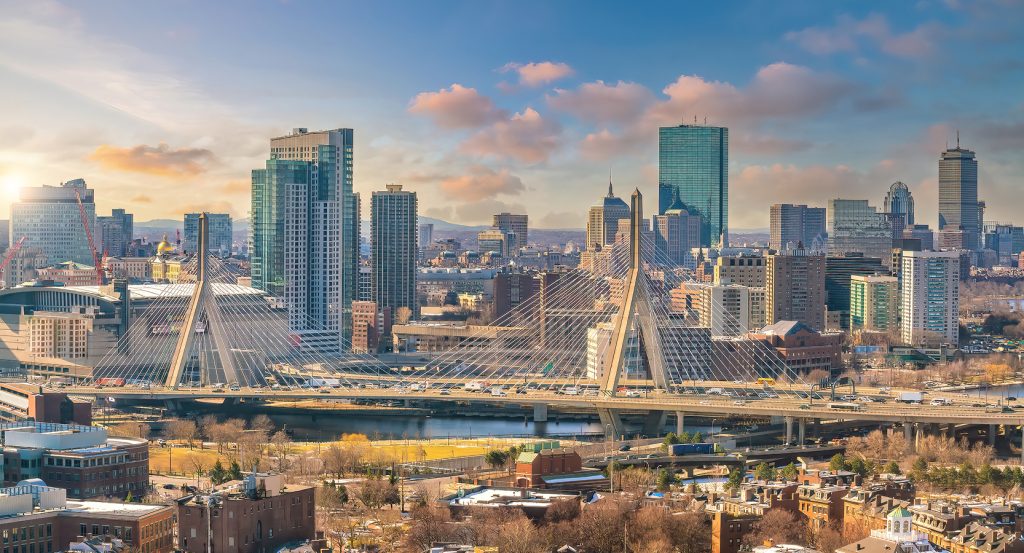
Why you should experience Belvidere Street in Boston, Massachusetts.
Belvidere Street is a refined corridor where Back Bay's architectural grandeur, cultural institutions, urban planning, and civic elegance converge within one of Boston's most distinguished streets.
Running through Back Bay between the South End and the Charles River, the corridor connects grand civic buildings, landscaped boulevards, celebrated cultural destinations, and stately nineteenth-century streets that embody Boston's planned expansion. Each successive block reveals brownstone façades, granite churches, broad sidewalks, mature trees, and carefully composed civic architecture that reinforce the district's enduring visual harmony. The defining moment arrives as Belvidere Street demonstrates how thoughtful planning, grand architecture, and cultural investment continue shaping one of Boston's defining urban environments. The result is an experience defined by architectural distinction, cultural depth, and one of Back Bay's most rewarding corridors.
What you should know about Belvidere Street.
Belvidere Street is best known for emerging during the nineteenth-century development of Back Bay, a neighborhood created through one of the largest land reclamation projects in the United States after 450 acres of tidal flats along the Charles River were filled between 1857 and 1882 using gravel transported by the Boston and Albany Railroad from Needham. The street became part of Arthur Gilman's rectilinear plan for Back Bay, whose generous avenues, uniform building setbacks, and coordinated streetscape established a new model for Boston's residential expansion. Construction along the corridor introduced distinguished examples of Victorian Gothic, Romanesque Revival, Beaux-Arts, and Classical Revival architecture executed in brownstone, granite, limestone, pressed brick, wrought iron, and ornamental terra cotta, reflecting the neighborhood's evolution from elite residential district to cultural center. Completion of Copley Place in 1983 reinforced Belvidere Street's role as a major commercial and pedestrian corridor while complementing nearby institutional growth. Original granite curbing, masonry façades, decorative ironwork, and carefully proportioned streetscapes continue expressing the craftsmanship established during Back Bay's formative decades. Collectively, the corridor's landmaking history, planned urban design, architectural diversity, commercial evolution, and enduring material quality established Belvidere Street as one of Back Bay's defining historic corridors.
The Neighborhood Association of the Back Bay has long advocated for preservation of Belvidere Street's historic character through design review, streetscape stewardship, and neighborhood planning that reinforce the corridor's architectural continuity. The First Church of Christ, Scientist, completed in 1894 to designs by Henry Hobson Richardson's successor firm Shepley, Rutan and Coolidge, anchors the corridor with one of Boston's most influential ecclesiastical ensembles, while the adjacent Christian Science Plaza, designed by I. M. Pei & Partners and completed in 1973, introduced a grand reflecting pool and granite public space that expanded the street's civic presence. Carefully maintained plantings, granite paving, bronze fixtures, and mature London plane trees strengthen the transition between historic architecture and modern public space while preserving the corridor's cohesive visual identity. Together, these preservation efforts, architectural landmarks, and thoughtfully integrated public landscapes demonstrate how Belvidere Street evolved from a planned residential avenue into a corridor where successive generations of design continue reinforcing one another.
How to fold Belvidere Street into your trip.
Belvidere Street works as a walk through Back Bay's architectural and cultural heart.
Begin at the Mapparium, where the remarkable stained-glass globe introduces the neighborhood's longstanding relationship with architecture, education, and design before naturally leading outward into the surrounding civic landscape. Continue to the Boston Public Library - Central Library, where Renaissance Revival architecture, historic reading rooms, and world-renowned collections deepen appreciation for Back Bay's cultural legacy before guiding the experience toward its artistic culmination. Conclude at the Museum of Fine Arts, Boston, where globally significant collections and grand galleries provide the cultural payoff while placing Belvidere Street within one of America's great museum districts. The progression moves naturally from architectural curiosity to intellectual heritage before culminating in the artistic institution that completes Back Bay's enduring cultural story.
Where your story begins.
Foresyte Travel reveals places that feel extraordinary long before you arrive.
Experience premium editorial crafted for luxury travelers.







































































































