
Why Arnold Arboretum matters.
Arnold Arboretum of Harvard University in Boston is a living museum, where nature, science, and serenity intertwine beneath the New England sky.
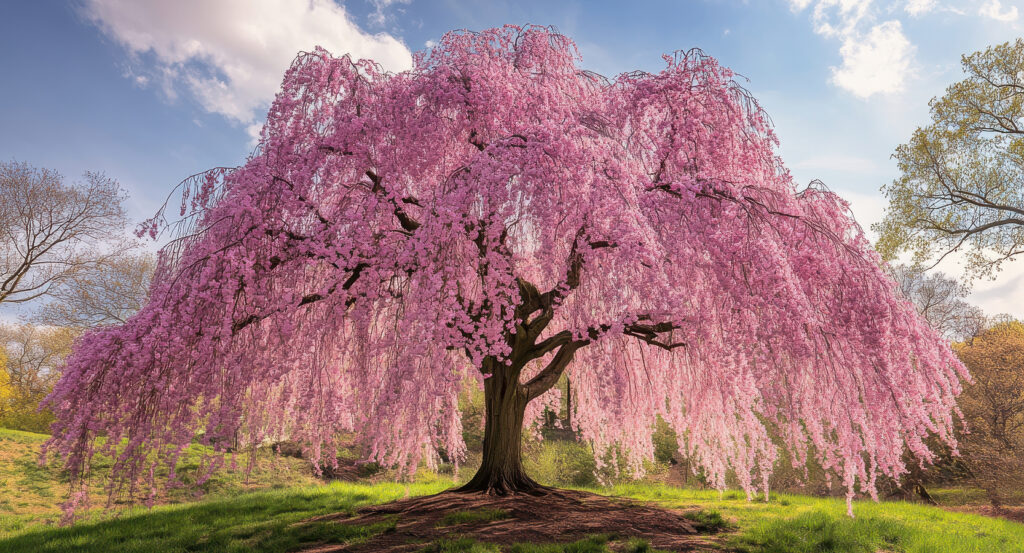
Spanning 281 acres along Boston's Emerald Necklace, this sweeping landscape feels both cultivated and wild, a masterpiece of design that invites exploration in every season. Established in 1872 as a collaboration between Harvard University and the City of Boston, the Arboretum was designed by landscape architect Frederick Law Olmsted, the same visionary behind Central Park, and remains one of the world's most respected centers for botanical research. Walk its winding paths and you'll encounter towering oaks, cherry trees, lilacs, and maples from across the globe, each meticulously labeled like a story waiting to be read. In spring, blossoms paint the hillsides in pink and white; in fall, the air glows with the fiery reds and golds of New England foliage. Yet the beauty runs deeper than scenery, this is a place built for discovery, where every leaf and seed contributes to the study of life itself. Arnold Arboretum isn't just Harvard's garden, it's Boston's quiet masterpiece of intellect and awe.
What defines Arnold Arboretum.
Behind its tranquil charm lies a world-class institution that bridges art, science, and environmental legacy.
Founded through a bequest from James Arnold, a wealthy New Bedford merchant and passionate horticulturist, the Arboretum became the first public-private partnership of its kind in the United States. Harvard manages the collections and scientific research, while the City of Boston owns the land, a partnership that has endured for more than 150 years. Today, the Arboretum houses over 15,000 individual plants representing 4,000 species, sourced from temperate regions around the world. It serves as a vital hub for botanical research, focusing on plant biodiversity, evolution, and climate resilience. Every tree and shrub is part of a living archive, cataloged, studied, and preserved for generations to come. Olmsted's original design philosophy, blending education with resonant experience, remains intact: paths curve gently to frame views, open meadows contrast with dense groves, and the landscape flows like a symphony of texture and light. The Arboretum's influence reaches far beyond Boston, inspiring modern conservation efforts worldwide. It's not just a collection of plants, it's a legacy of stewardship written in green.
How Arnold Arboretum fits.
To experience the arboretum as it was meant to be felt, walk with curiosity, not a plan.
Begin at the Hunnewell Visitor Center, where maps and exhibits introduce the Arboretum's history and collections. From there, follow the winding Meadow Road toward Peters Hill, the highest point in the park, for panoramic views of Boston's skyline framed by trees that have stood for generations. In spring, make time for the Lilac Collection, when more than 400 varieties burst into bloom, filling the air with fragrance. Summer brings lush greenery and shaded trails perfect for quiet reflection, while autumn turns the Arboretum into a painter's dream of crimson, gold, and rust. If you visit in winter, the bare branches and snow-covered paths reveal the sculptural beauty of the trees themselves. Pair your visit with a walk through nearby Jamaica Plain or a stop at Arnold Arboretum greenhouses, where Harvard's ongoing research continues unseen but deeply felt. Whether you come to study, to wander, or simply to breathe, Arnold Arboretum is more than a destination, it's a discussion with nature, one that invites you to listen, learn, and linger.
Where your story begins.
Foresyte Travel reveals places that feel extraordinary long before you arrive.
Enjoy editorial crafted for luxury travelers.
Foresyte may earn a commission when you book.







































































































