
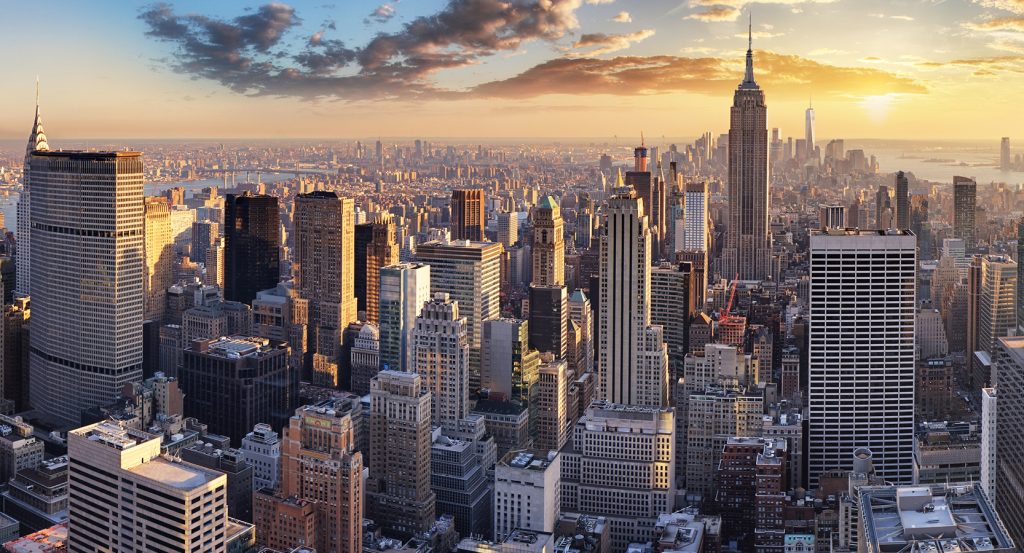
Why Belt Parkway matters.
Belt Parkway is a panoramic corridor where South Brooklyn's waterfront heritage, coastal landscapes, regional connectivity, and enduring metropolita character shape one of New York City's defining parkways.
Running along South Brooklyn between Bay Ridge and Canarsie, the corridor connects beaches, parks, bridges, marinas, neighborhoods, and shoreline landscapes that collectively reflect more than eight decades of carefully guided transportation and waterfront planning. Landscaped medians, sweeping bridge crossings, salt marshes, recreational shorelines, parkland, and carefully engineered interchanges reveal a corridor shaped by automobile planning, coastal conservation, public recreation, and sustained infrastructure investment. Commuters, cyclists, boaters, residents, conservationists, and visitors continue reinforcing Belt Parkway's importance while supporting mobility, recreation, commerce, and civic life across New York City's southern waterfront. The result is an experience defined by engineering achievement, coastal continuity, and the enduring character of one of New York City's defining parkways.
What defines Belt Parkway.
Belt Parkway is best known as the southern section of New York City's interconnected belt roadway system, linking Brooklyn and Queens while following miles of shoreline along Upper New York Bay, Gravesend Bay, Jamaica Bay, and the Atlantic Ocean. Planning emerged during the 1930s under Robert Moses, whose parkway program combined modern highway engineering with waterfront park development to create scenic regional transportation routes separated from commercial traffic. Construction began in 1934, with major sections opening between 1937 and 1940, introducing controlled-access design, landscaped rights-of-way, grade-separated interchanges, and coordinated shoreline improvements that permanently reshaped southern Brooklyn's transportation network. Today Belt Parkway reflects more than eight decades of planning that integrates transportation infrastructure, coastal engineering, public recreation, and environmental stewardship within one of New York City's most historically significant urban corridors.
The corridor's recreational character is strengthened by Shore Parkway, whose waterfront greenway extends for miles beside the roadway while connecting neighborhoods through bicycle paths, promenades, athletic facilities, and shoreline parks. Nearby Floyd Bennett Field, opened in 1931 as New York City's first municipal airport and now managed by the National Park Service within Gateway National Recreation Area, preserves a nationally significant chapter of aviation history. Environmental stewardship continues throughout Jamaica Bay Wildlife Refuge, established in 1972, where tidal marshes, migratory bird habitat, and ecological restoration projects protect one of the largest urban wildlife sanctuaries in North America. Together, these recreational, historical, and environmental resources demonstrate how Belt Parkway has evolved through sustained investment in transportation, conservation, and public access.
How Belt Parkway fits.
Belt Parkway works as an exploration of New York City's waterfront landscapes, engineering achievements, and coastal public spaces.
Begin at Shore Parkway, where sweeping waterfront paths, expansive harbor views, and continuous public access establish the coastal setting that defines the Belt Parkway experience across southern Brooklyn. Continue to Floyd Bennett Field, where historic aviation facilities, adaptive reuse, and broad open landscapes deepen the experience by revealing how transportation innovation has shaped New York's shoreline for nearly a century. Conclude at Jamaica Bay Wildlife Refuge, where restored marshes, abundant birdlife, and remarkable ecological diversity provide the historical payoff by illustrating how the parkway ultimately connects one of the nation's most significant urban environmental landscapes. The sequence progresses naturally from waterfront recreation to transportation history before culminating in ecological preservation, revealing how Belt Parkway unites engineering, public access, and coastal conservation across New York City's southern edge.
Where your story begins.
Foresyte Travel reveals places that feel extraordinary long before you arrive.
Enjoy editorial crafted for luxury travelers.
Foresyte may earn a commission when you book.







































































































