
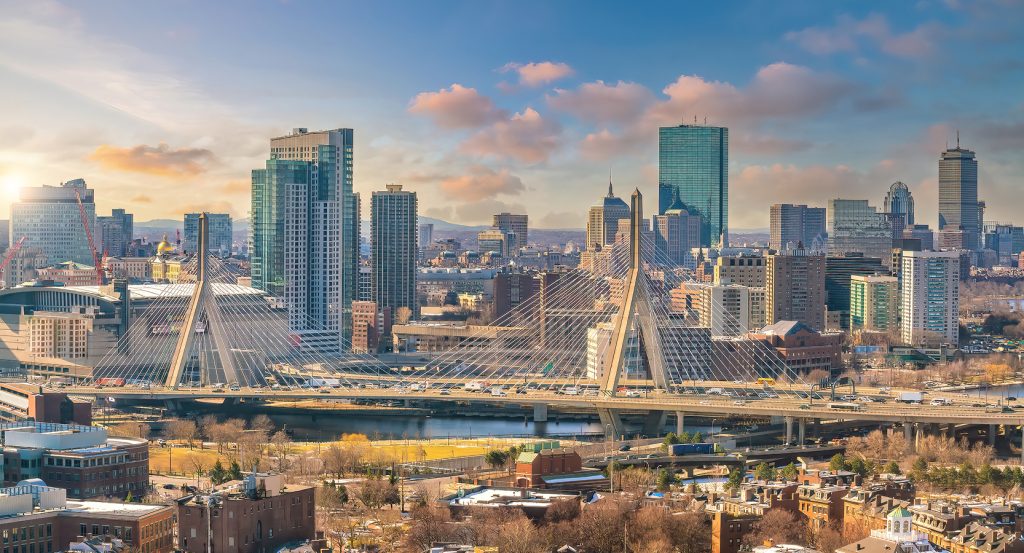
Why you should experience Bowdoin Street in Boston, Massachusetts.
Bowdoin Street is a historic Beacon Hill corridor where political leadership, architectural elegance, and African American heritage converge along one of Boston's most distinguished residential streets.
Running through Beacon Hill between Cambridge Street, Beacon Street, Myrtle Street, and Derne Street, this graceful corridor connects landmark churches, historic townhouses, architecturally significant civic buildings, celebrated government institutions, welcoming neighborhood spaces, and enduring residential blocks that collectively showcase Boston's extraordinary blend of nineteenth-century planning and civic history. Federal and Greek Revival architecture, thoughtfully preserved brick rowhouses, tree-lined sidewalks, energetic neighborhood institutions, celebrated historic landmarks, and enduring civic traditions create an urban landscape where generations of governors, abolitionists, legislators, reformers, residents, and visitors have shaped one of New England's defining historic corridors. Bowdoin Street has remained an integral part of Beacon Hill while preserving its remarkable architectural character and political significance. The result is a corridor defined by historical distinction, architectural excellence, and lasting civic importance.
What you should know about Bowdoin Street.
Bowdoin Street is best known for housing the Charles Street Meeting House, where abolitionists organized anti-slavery meetings during the nineteenth century before the landmark later became one of Boston's most influential centers for African American civic activism and social reform.
Completed in 1807, the Federal-style church evolved from a Congregational place of worship into an important gathering place for reformers advocating abolition, equal rights, and expanded educational opportunities. Its meetings brought together influential activists whose efforts helped shape Boston's reputation as a national center of anti-slavery thought during the decades preceding the Civil War. Today, the building remains one of Beacon Hill's most historically significant landmarks, preserving the legacy of civic engagement that transformed both the neighborhood and the nation. That extraordinary reform legacy has established Bowdoin Street as one of America's most historically significant civic corridors.
How to fold Bowdoin Street into your trip.
Bowdoin Street works as an exploration of Boston's political heritage, abolitionist history, and historic Beacon Hill.
Begin along Bowdoin Street, where the elegant historic streetscape immediately establishes the corridor's defining identity. Continue toward the Charles Street Meeting House, where one of Boston's most important abolitionist landmarks provides broader perspective on the street's extraordinary civic legacy. From there, make your way to the Massachusetts State House, where the seat of the Commonwealth's government provides a memorable conclusion while celebrating Beacon Hill's enduring influence on American democracy and public life. Along the way, you'll encounter architecturally significant brick townhouses, welcoming neighborhood streets, thriving civic institutions, beautifully preserved historic landmarks, celebrated public buildings, and energetic gathering places that reveal Beacon Hill's exceptional depth. The progression moves naturally from a distinguished residential corridor to a landmark of social reform to one of America's most important state capitols, demonstrating how Bowdoin Street connects civic leadership, community life, and historical discovery.
Where your story begins.
Foresyte Travel reveals places that feel extraordinary long before you arrive.
Experience premium editorial crafted for luxury travelers.







































































































