
Why Broadway matters.
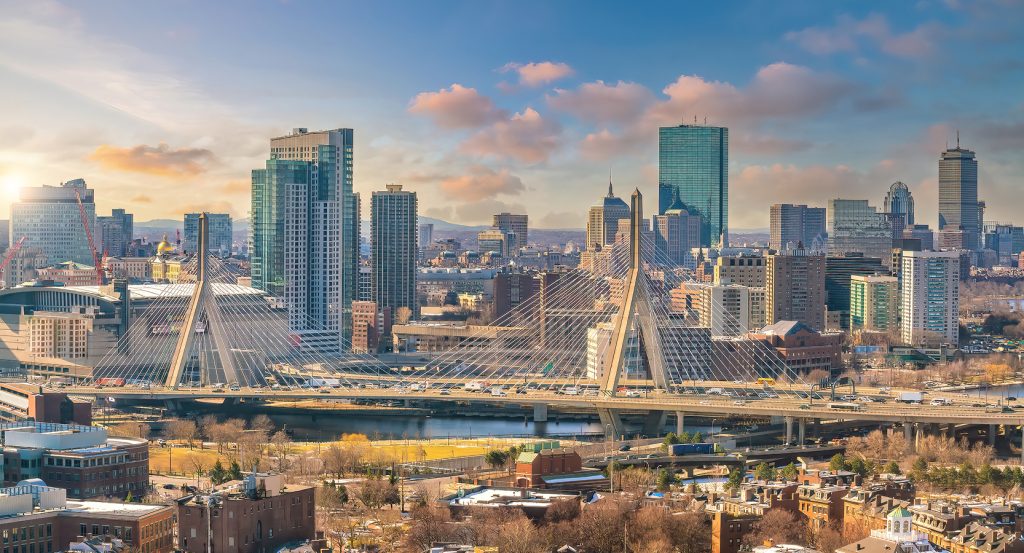
Broadway is a spirited corridor where South Boston's maritime heritage, commercial traditions, civic identity, and neighborhood culture converge along one of the city's oldest and most influential thoroughfares.
Running through South Boston between Fort Point and City Point, the corridor connects historic commercial blocks, civic institutions, neighborhood gathering places, and longstanding residential districts that reveal more than two centuries of continuous urban evolution. Each successive block unfolds through brick storefronts, granite-trimmed façades, parish churches, traditional rowhouses, and an energetic streetscape that reflects Broadway's enduring role as South Boston's principal spine. The defining moment arrives as the corridor's architectural continuity and neighborhood vitality reveal how generations of residents have shaped one of Boston's most distinctive communities. The result is an experience defined by historical depth, architectural character, and one of South Boston's most rewarding corridors.
What defines Broadway.
Broadway is best known for serving as South Boston's principal east-west corridor since the neighborhood's large-scale development followed the 1804 opening of the South Boston Bridge, which established the first permanent connection between the peninsula and Downtown while accelerating residential and commercial expansion. Growth intensified after South Boston's annexation to Boston in 1804, with the corridor evolving alongside the creation of the South Boston Flats, among New England's largest nineteenth-century landmaking projects that transformed extensive tidal marshes into developable waterfront property supporting maritime commerce and manufacturing. Commercial and institutional construction throughout the nineteenth and early twentieth centuries introduced substantial Federal, Greek Revival, Italianate, and Classical Revival architecture distinguished by brick masonry, granite lintels, cast-iron storefronts, pressed-metal cornices, and finely proportioned civic façades that continue defining the avenue's architectural identity. Horse-drawn street railways, followed by electric streetcars, established Broadway as South Boston's principal transportation corridor, reinforcing its importance for merchants, shipbuilders, dockworkers, financial institutions, churches, and neighborhood organizations. Original granite curbing, masonry storefronts, rhythmically scaled commercial buildings, and enduring institutional architecture continue expressing the craftsmanship associated with South Boston's nineteenth-century prosperity. Collectively, the corridor's transportation history, annexation-era growth, landmaking projects, architectural diversity, and commercial development established Broadway as one of Boston's defining historic corridors.
The South Boston Historical Society has preserved photographs, business directories, neighborhood maps, family papers, and architectural records that document Broadway's transformation from an early transportation route into South Boston's commercial and civic center. The Boston Landmarks Commission has evaluated historically significant buildings and streetscape features throughout the corridor, reinforcing preservation of masonry façades, parish architecture, and nineteenth-century commercial buildings that continue shaping Broadway's visual character. Skilled brick masons, granite conservators, ornamental metalworkers, and restoration carpenters continue maintaining cast-iron storefronts, decorative cornices, historic window assemblies, and original stone detailing that distinguish the avenue's surviving architecture. Together, these historical collections, preservation initiatives, and specialized restoration trades demonstrate how Broadway continues expressing the craftsmanship and civic character that have defined South Boston for generations.
How Broadway fits.
Broadway works as a walk through South Boston's commercial heart and waterfront heritage.
Begin at Thomas Park, where elevated views from Dorchester Heights introduce the geography, Revolutionary history, and neighborhood setting that shaped Broadway before naturally drawing the walk toward the avenue's historic commercial core. Continue to The Lawn on D, where contemporary public programming, seasonal installations, and community gathering spaces reveal how South Boston continues evolving while remaining connected to the corridor's longstanding civic role. Conclude at the Institute of Contemporary Art, where Boston Harbor, striking waterfront architecture, and internationally recognized exhibitions provide the cultural payoff that broadens Broadway's story from neighborhood history to the city's continuing creative evolution. The progression moves naturally from South Boston's historic origins to its active civic life before culminating along the harbor where the neighborhood's past and present intersect most powerfully.
Where your story begins.
Foresyte Travel reveals places that feel extraordinary long before you arrive.
Enjoy editorial crafted for luxury travelers.
Foresyte may earn a commission when you book.







































































































