
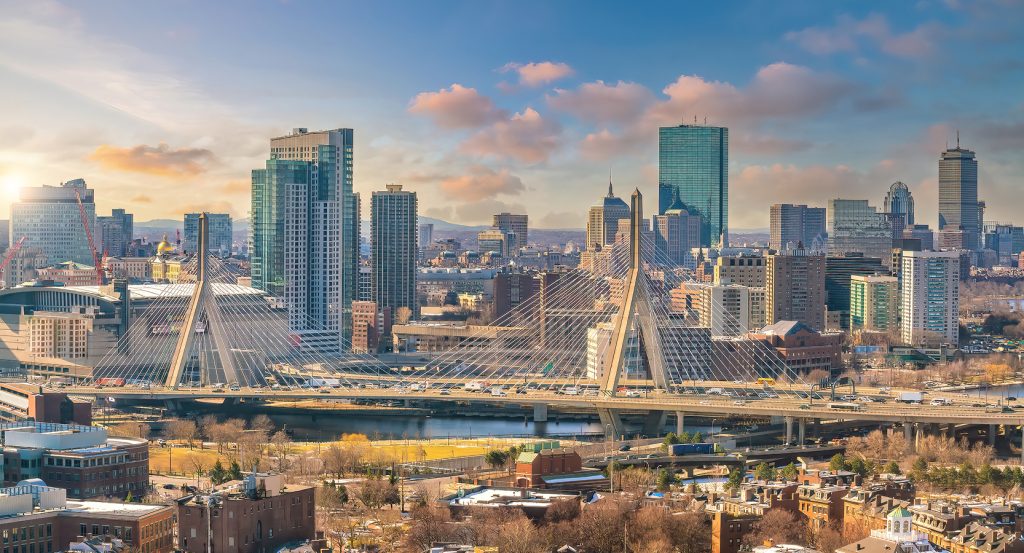
Why Brookline Street matters.
Brookline Street is a lively corridor where Cambridgeport's industrial heritage, neighborhood character, entrepreneurial spirit, and riverside setting create one of Greater Boston's most engaging urban streets.
Running through Cambridgeport between Central Square and the Charles River, the corridor connects historic factory buildings, brick commercial blocks, longstanding residential streets, and neighborhood gathering places that reflect more than a century of continual evolution. Each successive block reveals masonry warehouses, converted commercial storefronts, mature street trees, red brick architecture, and an active pedestrian atmosphere that reinforces the corridor's longstanding role within Cambridge's urban fabric. The defining moment arrives as Brookline Street's layered streetscape reveals how manufacturing history and neighborhood life continue complementing one another across successive generations. The result is an experience defined by architectural character, local identity, and one of Cambridgeport's most rewarding corridors.
What defines Brookline Street.
Brookline Street is best known for developing alongside Cambridge's industrial expansion during the late nineteenth century as manufacturers, wholesalers, and transportation improvements transformed Cambridgeport into one of the region's principal employment centers. Commercial and industrial construction accelerated between the 1880s and 1920s, producing a substantial collection of Romanesque Revival, Italianate, and utilitarian brick buildings distinguished by heavy timber framing, granite foundations, segmental-arched windows, corbelled masonry, pressed-metal cornices, and expansive warehouse floorplates that continue defining the corridor's architectural identity. Furniture makers, printing companies, food processors, machine shops, and wholesale distributors occupied successive generations of buildings, reinforcing Brookline Street's importance within Cambridge's manufacturing economy. Durable brick façades, granite curbing, cast-iron storefront elements, and carefully preserved industrial detailing continue expressing the craftsmanship associated with the corridor's period of greatest commercial growth. Collectively, the corridor's industrial expansion, architectural consistency, commercial enterprise, and enduring building traditions established Brookline Street as one of Cambridgeport's defining historic corridors.
The Cambridge Historical Commission has documented Brookline Street through architectural inventories, historic surveys, photographs, and preservation research that record the corridor's transition from an industrial district into a thriving mixed commercial neighborhood. The Cambridge Community Development Department has supported streetscape enhancements, tree planting, pedestrian improvements, and neighborhood planning initiatives that reinforce the corridor's long-established urban character. Skilled brick masons, timber restoration specialists, ornamental metalworkers, and stone conservators continue maintaining historic warehouse façades, cast-iron storefronts, masonry detailing, and granite features that preserve the street's architectural integrity. Together, these historical records, neighborhood stewardship efforts, and specialized preservation trades demonstrate how Brookline Street continues expressing the commercial character that has shaped Cambridgeport for generations.
How Brookline Street fits.
Brookline Street works as an exploration of Cambridgeport's industrial heritage and neighborhood culture.
Begin at Lafayette Square, where historic commercial architecture and longstanding neighborhood businesses establish the urban character that shaped Brookline Street while naturally introducing Cambridgeport's historic streetscape. Continue to Magazine Beach Park, where broad Charles River views and riverside pathways reveal the environmental setting that supported the district's commercial growth before guiding the experience toward its historical culmination. Conclude at the MIT Museum, where exhibitions exploring science, engineering, and innovation provide the intellectual payoff while connecting Cambridge's manufacturing legacy with its globally recognized culture of discovery. The progression moves naturally from neighborhood commerce to the Charles River before culminating in the innovation that defines Cambridge's continuing evolution.
Where your story begins.
Foresyte Travel reveals places that feel extraordinary long before you arrive.
Enjoy editorial crafted for luxury travelers.
Foresyte may earn a commission when you book.







































































































