
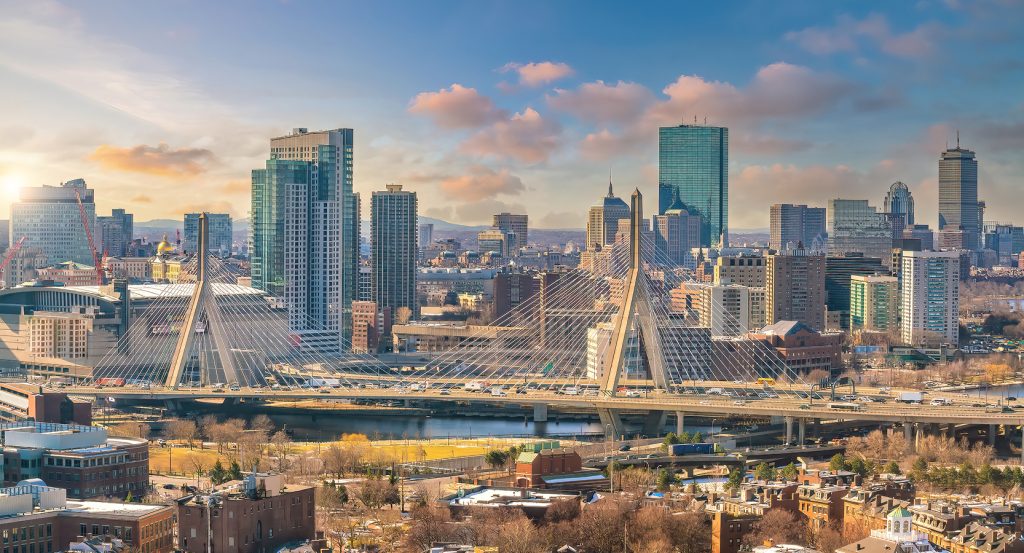
Why you should experience Brooks Street in Boston, Massachusetts.
Brooks Street is a quiet corridor where Brighton's residential heritage, neighborhood traditions, collegiate influence, and enduring architectural character create one of western Boston's most appealing streets.
Running through Brighton between Allston and Oak Square, the corridor connects early twentieth-century homes, neighborhood institutions, shaded residential blocks, and inviting green spaces that reflect Brighton's gradual evolution from a rural village into a mature urban neighborhood. Each successive block reveals brick residences, clapboard houses, granite retaining walls, mature maples, and carefully maintained gardens that reinforce the corridor's long-established sense of permanence. The defining moment arrives as Brooks Street's cohesive streetscape demonstrates how thoughtful residential planning and enduring craftsmanship continue defining Brighton's neighborhood identity. The result is an experience defined by architectural continuity, neighborhood warmth, and one of Brighton's most inviting corridors.
What you should know about Brooks Street.
Brooks Street is best known for developing during Brighton's residential expansion in the late nineteenth and early twentieth centuries as electric streetcar service encouraged sustained growth beyond Boston's historic center. Construction accelerated between the 1890s and 1920s, producing a cohesive collection of Colonial Revival, Craftsman, and Tudor Revival residences distinguished by brick masonry, clapboard siding, slate roofs, decorative wood brackets, prominent front porches, and fieldstone foundations that continue defining the corridor's architectural identity. Builders established generous setbacks, granite curbing, mature street trees, and landscaped front lawns that reflected prevailing suburban planning principles while accommodating Brighton's growing professional population. Consistent building proportions, carefully preserved masonry, and traditional residential detailing continue expressing the quality of craftsmanship associated with the neighborhood's formative decades. Collectively, the corridor's streetcar-era expansion, residential architecture, neighborhood planning, and enduring building traditions established Brooks Street as one of Brighton's defining historic corridors.
The Brighton-Allston Historical Society has preserved photographs, neighborhood maps, property records, and family archives that document the area's transition from an agricultural community into a residential neighborhood surrounding Brooks Street. The Boston Urban Wilds Program has supported stewardship of nearby natural landscapes that contribute mature tree canopies, native vegetation, and ecological continuity to the surrounding residential environment. Skilled carpenters, brick masons, slate roof specialists, and stone conservators continue maintaining original porches, masonry chimneys, decorative woodwork, and fieldstone foundations that preserve the corridor's architectural integrity. Together, these historical archives, landscape stewardship initiatives, and preservation trades demonstrate how Brooks Street continues expressing the residential character that has long distinguished Brighton.
How to fold Brooks Street into your trip.
Brooks Street works as a leisurely walk through Brighton's residential heritage and neighborhood green spaces.
Begin at Brighton Center, where historic commercial buildings, neighborhood institutions, and longtime local businesses establish the community character that shaped Brooks Street's residential development while naturally orienting the remainder of the outing. Continue to St. Elizabeth's Medical Center, whose historic campus and longstanding presence demonstrate Brighton's institutional evolution and broaden the neighborhood story before leading toward the area's defining landscape. Conclude at Chestnut Hill Reservation, where wooded walking paths, the historic reservoir, and expansive shoreline views provide the reflective payoff that ties Brighton's residential setting to its enduring natural environment. The progression moves naturally from Brighton's civic heart to its institutional legacy before culminating in the landscape that gives the surrounding neighborhood its lasting sense of place.
Where your story begins.
Foresyte Travel reveals places that feel extraordinary long before you arrive.
Experience premium editorial crafted for luxury travelers.







































































































