
Why Chelsea Street matters.
Chelsea Street is a historic East Boston corridor where immigrant heritage, maritime industry, and transportation history converge along one of Boston's oldest commercial streets.
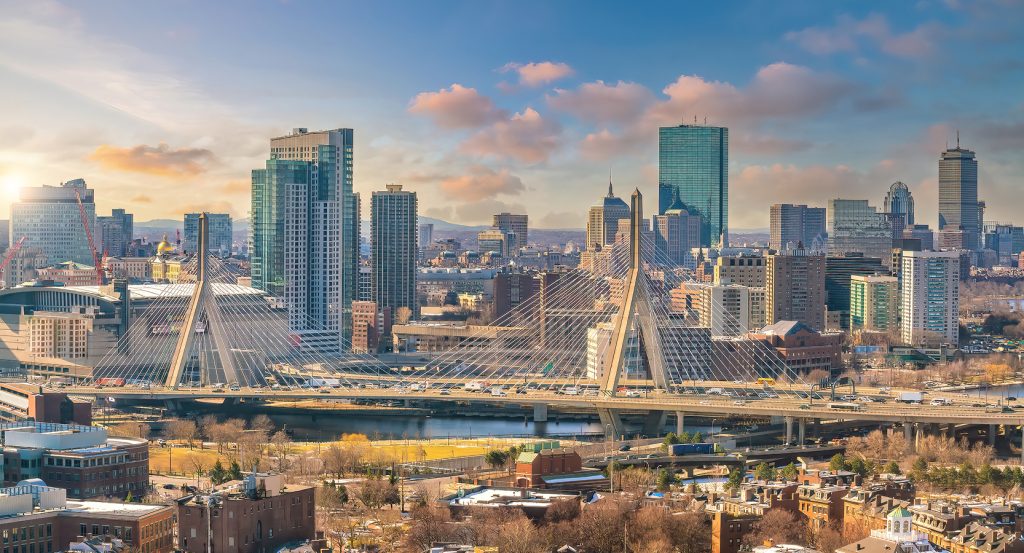
Running through East Boston between Maverick Square, Eagle Hill, Chelsea Creek, and the Tobin Bridge, this distinguished corridor connects historic commercial buildings, landmark civic institutions, architecturally significant churches, thriving neighborhood businesses, celebrated public spaces, and enduring residential blocks that collectively showcase Boston's remarkable evolution as both a maritime gateway and immigrant community. Historic brick storefronts, thoughtfully preserved neighborhood architecture, welcoming pedestrian streets, energetic local businesses, celebrated civic landmarks, and enduring cultural traditions create an urban landscape where generations of shipbuilders, dockworkers, immigrants, merchants, residents, and visitors have shaped one of New England's defining waterfront corridors. Chelsea Street has remained the commercial backbone of East Boston while preserving the neighborhood's rich maritime and multicultural identity. The result is a corridor defined by historical authenticity, commercial vitality, and lasting neighborhood significance.
What defines Chelsea Street.
Chelsea Street is best known for housing the Donald McKay Shipyard, where renowned shipbuilder Donald McKay designed and built the clipper ship Flying Cloud, whose 1854 voyage from New York to San Francisco in just 89 days and 8 hours established a world sailing record that stood for more than a century.
During the height of the California Gold Rush, McKay's East Boston shipyard became internationally renowned for producing the fastest wooden sailing vessels ever constructed, transforming Boston into one of the world's foremost centers of naval architecture and commercial shipbuilding. His revolutionary hull designs dramatically reduced voyage times between continents while advancing American maritime engineering and global trade. Although the shipyard itself has disappeared beneath later industrial development, its achievements permanently shaped East Boston's character as one of the nation's greatest shipbuilding centers. That extraordinary maritime accomplishment has established Chelsea Street as one of America's most historically significant shipbuilding corridors.
How Chelsea Street fits.
Chelsea Street works as an exploration of Boston's maritime heritage, immigrant history, and waterfront neighborhoods.
Begin along Chelsea Street, where the historic commercial streetscape immediately establishes the corridor's defining identity. Continue toward the Donald McKay House, where the home of America's greatest clipper shipbuilder provides broader perspective on East Boston's extraordinary maritime legacy. From there, make your way to Piers Park, where panoramic harbor views provide a memorable conclusion while celebrating East Boston's enduring relationship with Boston Harbor and the city's shipbuilding past. Along the way, you'll encounter architecturally significant historic buildings, welcoming neighborhood streets, thriving local businesses, beautifully preserved community landmarks, celebrated maritime sites, and energetic gathering places that reveal East Boston's exceptional depth. The progression moves naturally from a historic commercial corridor to the home of a renowned shipbuilder to one of Boston's premier waterfront parks, demonstrating how Chelsea Street connects maritime innovation, community life, and historical discovery.
Where your story begins.
Foresyte Travel reveals places that feel extraordinary long before you arrive.
Enjoy editorial crafted for luxury travelers.
Foresyte may earn a commission when you book.







































































































