
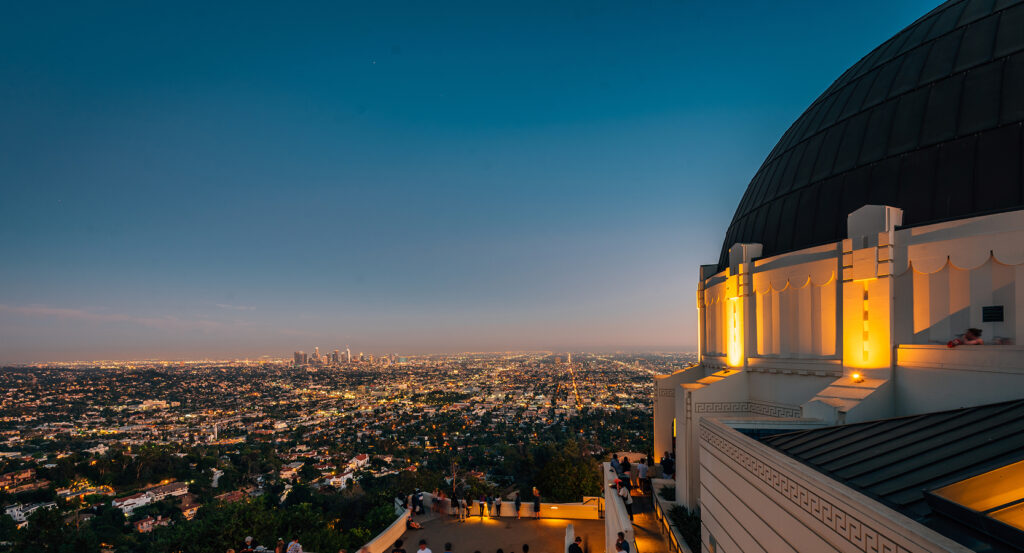
Why Curson Avenue matters.
Curson Avenue is a historic Central Los Angeles corridor where architectural heritage, cultural institutions, and the evolution of modern urban life converge along one of the most distinctive residential streets near the city's museum district.
Running through Mid-City between Hancock Park and Miracle Mile, this charming avenue connects historic neighborhoods, cultural landmarks, residential communities, educational institutions, public spaces, and commercial destinations that have shaped local life for generations. Tree-lined blocks, preserved residences, civic institutions, neighborhood gathering places, cultural destinations, and evolving streetscapes create an environment defined by continuity and character. The corridor developed during the early twentieth century as Los Angeles expanded westward, attracting families, professionals, architects, educators, entrepreneurs, and civic leaders seeking proximity to the city's emerging cultural center. Generations of residents helped establish a street whose character remains closely tied to the surrounding historic districts. The result is a corridor defined by heritage, community, and enduring local significance.
What defines Curson Avenue.
Curson Avenue is best known for its proximity to the La Brea Tar Pits, the world's only actively excavated Ice Age fossil site located within a major urban area, where more than 3.5 million fossils have been recovered from natural asphalt deposits.
For tens of thousands of years, the tar pits trapped and preserved an extraordinary record of prehistoric life, including mammoths, saber-toothed cats, dire wolves, giant ground sloths, and hundreds of other species. The discoveries revolutionized scientific understanding of Ice Age ecosystems and continue to generate new research today. Ongoing excavations allow visitors to observe paleontological work in real time, a rarity among fossil sites worldwide. The surrounding neighborhood developed around one of the most scientifically important paleontological resources ever discovered. Few residential corridors in Los Angeles possess such a direct connection to a globally significant scientific landmark.
How Curson Avenue fits.
Curson Avenue works as an exploration of Los Angeles' remarkable blend of scientific discovery, cultural enrichment, and architectural heritage.
Begin at La Brea Tar Pits, where the avenue's defining relationship with paleontology, scientific research, and natural history immediately comes into focus. Continue toward Los Angeles County Museum of Art, whose internationally recognized collections reveal the cultural forces that helped shape the surrounding district across generations. From there, make your way to Petersen Automotive Museum, where groundbreaking exhibits, iconic design, and transportation history provide a broader perspective on the institutions that continue to define this part of Los Angeles today. Along the route, you'll encounter scientific landmarks, cultural institutions, public gathering spaces, architectural treasures, educational destinations, and celebrated streetscapes that showcase the remarkable depth of the area. The progression moves naturally from prehistoric landmark to artistic institution to design icon, revealing the forces that transformed the surrounding district into one of Los Angeles' most important cultural corridors. Curson Avenue remains one of the city's most rewarding residential streets, preserving a distinctive balance between historical significance, scientific importance, and contemporary relevance.
Where your story begins.
Foresyte Travel reveals places that feel extraordinary long before you arrive.
Enjoy editorial crafted for luxury travelers.
Foresyte may earn a commission when you book.





































































































