
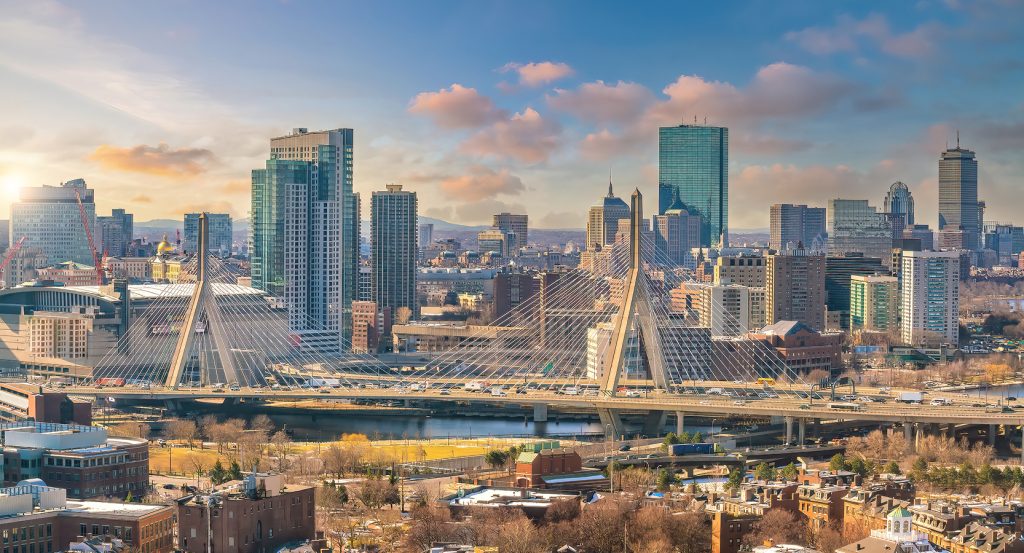
Why Dartmouth Street matters.
Dartmouth Street is a distinguished Back Bay corridor where architectural grandeur, civic life, and cultural heritage converge along one of Boston's most iconic boulevards.
Running through Back Bay between the Charles River Esplanade, Copley Square, Huntington Avenue, and the South End, this elegant corridor connects landmark churches, world-renowned libraries, historic hotels, architecturally significant brownstones, beautifully landscaped public spaces, and thriving commercial destinations that collectively showcase Boston's extraordinary nineteenth-century urban planning. Expansive civic architecture, impeccably preserved Victorian streetscapes, welcoming pedestrian environments, celebrated cultural institutions, energetic neighborhood businesses, and enduring public traditions create an urban landscape where generations of architects, scholars, artists, philanthropists, residents, and visitors have shaped one of New England's defining urban corridors. Dartmouth Street has remained central to Back Bay's architectural character while preserving the carefully planned character that established the neighborhood among America's greatest Victorian districts. The result is a corridor defined by architectural excellence, cultural distinction, and lasting historical significance.
What defines Dartmouth Street.
Dartmouth Street is best known for housing Trinity Church, Henry Hobson Richardson's 1877 masterpiece that established the Richardsonian Romanesque architectural style and is widely regarded as one of the most influential buildings in American architectural history.
Completed in Copley Square after the congregation relocated from Downtown, Trinity Church immediately attracted international acclaim for its bold massing, polychromatic stonework, expansive tower, and richly integrated interiors created with leading artists of the era. Architects across the United States drew inspiration from its revolutionary design, making it a defining influence on civic, religious, and institutional architecture for generations. Today, it remains both a National Historic Landmark and one of Boston's most celebrated architectural treasures, continuing to shape how scholars and visitors understand the evolution of American design. That extraordinary architectural legacy has established Dartmouth Street as one of the nation's most significant cultural corridors.
How Dartmouth Street fits.
Dartmouth Street works as an exploration of Boston's architectural masterpieces, cultural institutions, and historic public spaces.
Begin along Dartmouth Street, where elegant Victorian streetscapes immediately establish the corridor's defining identity. Continue toward Trinity Church, where one of America's greatest architectural masterpieces provides broader perspective on Back Bay's extraordinary cultural legacy. From there, make your way to the Boston Public Library, where the nation's first large free municipal library building provides a memorable conclusion while celebrating Boston's enduring commitment to architecture, education, and civic life. Along the way, you'll encounter architecturally significant brownstones, welcoming public plazas, thriving cultural institutions, beautifully preserved historic landmarks, celebrated civic buildings, and energetic gathering places that reveal Back Bay's exceptional depth. The progression moves naturally from a distinguished urban boulevard to a landmark church to one of America's greatest libraries, demonstrating how Dartmouth Street connects architectural innovation, community life, and historical discovery.
Where your story begins.
Foresyte Travel reveals places that feel extraordinary long before you arrive.
Enjoy editorial crafted for luxury travelers.
Foresyte may earn a commission when you book.







































































































