
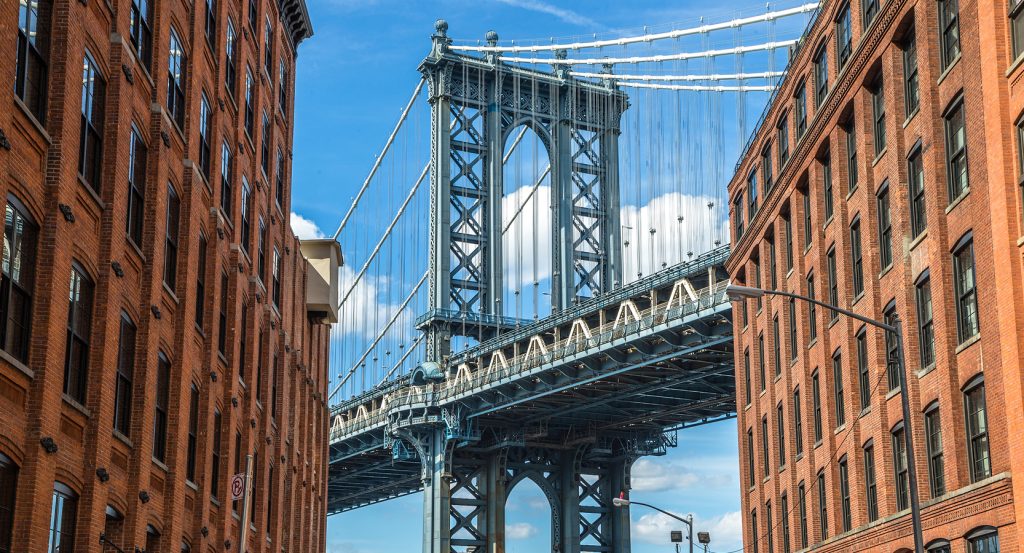
Why Degraw Street matters.
Degraw Street is a historic South Brooklyn corridor where industrial innovation, architectural elegance, and neighborhood character converge along one of the borough's most distinctive streets.
Running through Boerum Hill, Cobble Hill, Carroll Gardens, and Gowanus between Brooklyn Heights and Park Slope, this historic corridor connects landmark brownstone blocks, converted industrial buildings, neighborhood businesses, historic churches, community institutions, and energetic commercial streets that collectively reflect Brooklyn's remarkable urban evolution. Ornate nineteenth-century rowhouses, adaptive reuse warehouses, architecturally significant civic buildings, locally owned cafés, tree-lined residential blocks, and thriving neighborhood storefronts create a streetscape where generations of craftsmanship, commerce, and community life continue to flourish. Degraw Street developed alongside Brooklyn's nineteenth-century residential expansion and the industrial growth surrounding the Gowanus Canal, producing a distinctive blend of elegant residential architecture and manufacturing heritage that continues to define the corridor today. The result is a street defined by architectural distinction, historical continuity, and neighborhood authenticity.
What defines Degraw Street.
Degraw Street is best known for being home to the Gowanus Canal, designated a federal Superfund site in 2010 following decades of industrial pollution, making it among the nation's largest urban environmental cleanup projects.
After more than a century of contamination from manufactured gas plants, chemical industries, and combined sewer overflows, the Environmental Protection Agency initiated one of the country's most ambitious urban remediation efforts to remove polluted sediments, modernize critical infrastructure, and restore ecological health along the canal. The project has become an internationally recognized example of large-scale environmental engineering while supporting the continued revitalization of the surrounding neighborhood. Today, the canal represents both Brooklyn's industrial legacy and one of America's most significant commitments to urban environmental restoration.
How Degraw Street fits.
Degraw Street works as an exploration of Gowanus' industrial heritage, historic neighborhoods, and creative revival.
Begin along the Gowanus Canal, where historic bridges, working bulkheads, and restored waterfront spaces immediately establish the street's defining industrial legacy. Continue toward the Old Stone House, whose Revolutionary War history provides broader perspective on the area's significance long before industrialization reshaped the surrounding landscape. From there, make your way to Powerhouse Arts, where the transformed historic power station showcases Brooklyn's continued tradition of architectural preservation, artistic innovation, and adaptive reuse. Along the route, you'll encounter beautifully preserved brownstones, neighborhood cafés, architecturally significant industrial buildings, independent galleries, welcoming public spaces, and thriving residential streets that reveal the corridor's exceptional depth. The progression moves naturally from nationally significant environmental restoration site to Revolutionary War landmark to celebrated arts center, demonstrating how Degraw Street connects industrial history, neighborhood evolution, and contemporary creativity within one of Brooklyn's most compelling corridors. Degraw Street remains one of the borough's most rewarding streets, preserving a distinctive balance between historical significance, architectural beauty, and industrial legacy.
Where your story begins.
Foresyte Travel reveals places that feel extraordinary long before you arrive.
Enjoy editorial crafted for luxury travelers.
Foresyte may earn a commission when you book.







































































































