
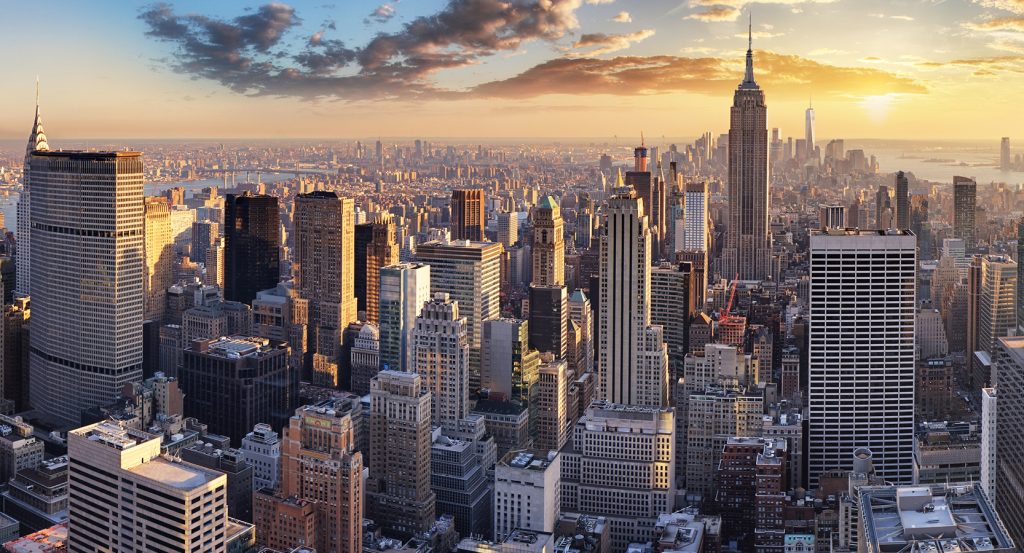
Why you should experience Dikeman Street in New York, NY.
Dikeman Street is a steadfast corridor where Red Hook's maritime heritage, industrial legacy, waterfront resilience, and enduring harbor character shape one of Brooklyn's historic working streets.
Running through Red Hook between Carroll Gardens and Columbia Street Waterfront District, the corridor connects nineteenth-century warehouses, brick row houses, industrial buildings, neighborhood businesses, public housing, and waterfront infrastructure that collectively reflect more than two centuries of carefully guided urban development. Belgian-block paving, converted warehouses, maritime facilities, historic brick buildings, and evolving commercial spaces reveal a corridor shaped by global shipping, dockside industry, immigration, and sustained neighborhood reinvestment. Residents, artists, entrepreneurs, longshore workers, preservationists, and community organizations continue reinforcing Dikeman Street's importance while supporting housing, commerce, culture, and civic life throughout Red Hook. The result is an experience defined by waterfront authenticity, industrial continuity, and the enduring character of one of Brooklyn's historic harbor streets.
What you should know about Dikeman Street.
Dikeman Street is best known for traversing the heart of Red Hook, where tidal marshes gave way to one of the busiest port districts in the United States following construction of Atlantic Basin docks, warehouses, grain elevators, and shipping terminals during the nineteenth century. The street is named for the Dikeman family, early Dutch landowners whose holdings formed part of southwestern Brooklyn before large-scale harbor improvements transformed the peninsula into an international center of maritime commerce. Development accelerated after completion of the Atlantic Basin in 1847, when new piers, dry docks, freight facilities, and rail connections strengthened Red Hook's role within the Port of New York while encouraging residential construction for dockworkers and merchants throughout the surrounding neighborhood. Today Dikeman Street reflects more than two centuries of planning that integrates maritime infrastructure, industrial architecture, residential development, and adaptive reuse within one of Brooklyn's most historically significant waterfront corridors.
The corridor's industrial legacy is reinforced by the nearby Red Hook Stores Building, completed in 1913 for the New York Dock Company, whose massive reinforced-concrete structure remains one of Brooklyn's defining port landmarks following adaptive reuse. Public waterfront access continues through Louis Valentino Jr. Park and Pier, where restored shoreline landscapes provide sweeping views of New York Harbor while preserving Red Hook's longstanding relationship with maritime commerce. Nearby Red Hook Houses, completed by the New York City Housing Authority between 1938 and 1939, became Brooklyn's first public housing development, documenting a major chapter in the neighborhood's twentieth-century civic history. Together, these industrial, recreational, and residential landmarks reveal how Dikeman Street has evolved within a district where harbor commerce, public investment, and architectural preservation continue reinforcing one another.
How to fold Dikeman Street into your trip.
Dikeman Street works as an exploration of Red Hook's maritime heritage, industrial architecture, and harbor landscapes.
Begin at Louis Valentino Jr. Park and Pier, where expansive harbor views introduce the waterfront that has defined the neighborhood for generations. Continue to the Red Hook Stores Building, whose grand industrial architecture deepens Dikeman Street's connection to Brooklyn's working-port history. Conclude at the Red Hook Houses, where Brooklyn's first public housing development provides a fitting finale connecting the corridor's industrial character with the neighborhood's enduring residential community. The progression moves naturally from harbor shoreline to maritime industry before concluding with civic history, revealing why Dikeman Street remains one of Brooklyn's enduring links to its working waterfront.
Where your story begins.
Foresyte Travel reveals places that feel extraordinary long before you arrive.
Experience premium editorial crafted for luxury travelers.







































































































