
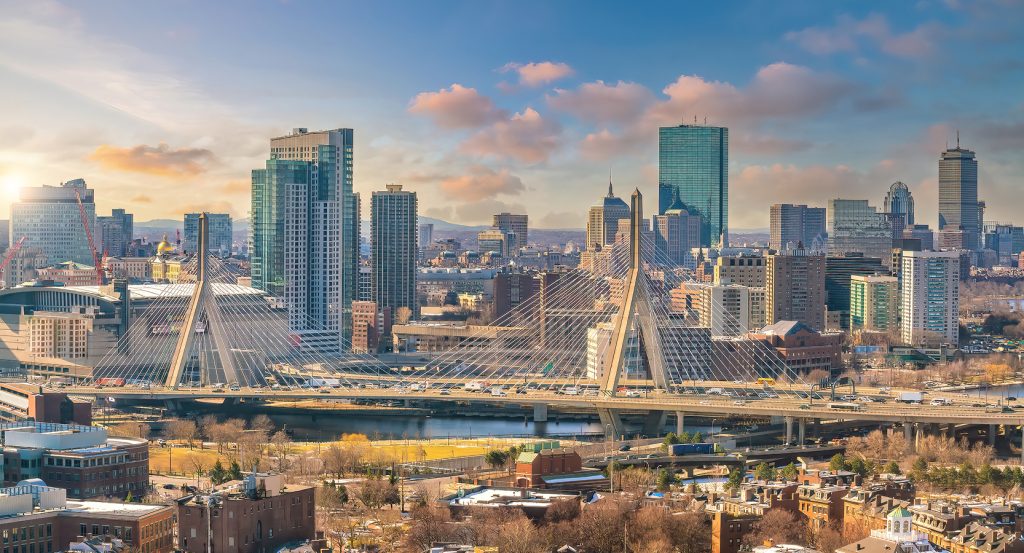
Why you should experience Exeter Street in Boston, Massachusetts.
Exeter Street is an elegant Back Bay corridor where Victorian architecture, literary heritage, and cultural distinction converge along one of Boston's most celebrated residential streets.
Running through Back Bay between Beacon Street, Commonwealth Avenue, Boylston Street, and Huntington Avenue, this graceful corridor connects impeccably preserved brownstones, landmark cultural institutions, historic churches, architecturally significant civic buildings, beautifully landscaped avenues, and welcoming neighborhood spaces that collectively showcase Boston's extraordinary nineteenth-century urban planning. Ornate Victorian façades, thoughtfully preserved residential architecture, tree-lined sidewalks, thriving cultural institutions, welcoming public spaces, and enduring neighborhood character create an urban landscape where generations of writers, artists, educators, philanthropists, residents, and visitors have shaped one of New England's defining residential corridors. Exeter Street has remained a centerpiece of Back Bay's celebrated streetscape while preserving its remarkable architectural integrity and historic elegance. The result is a corridor defined by architectural excellence, cultural significance, and lasting historical importance.
What you should know about Exeter Street.
Exeter Street is best known for housing the Boston Public Library's McKim Building, which opened in 1895 as the first large free municipal library building in the United States and established a model for library architecture that influenced civic buildings around the world.
Designed by Charles Follen McKim of McKim, Mead & White, the Renaissance Revival masterpiece introduced grand public reading rooms, an arcaded courtyard inspired by the Palazzo della Cancelleria in Rome, and the inscription “Free to All” above its entrance, symbolizing the democratization of knowledge. The building quickly became one of America's greatest civic monuments and remains one of Boston's defining architectural achievements. That extraordinary architectural and educational legacy has established Exeter Street as a corridor anchored by one of the nation's most influential public buildings.
How to fold Exeter Street into your trip.
Exeter Street works as an exploration of Boston's architectural heritage, literary culture, and civic landmarks.
Begin along Exeter Street, where beautifully preserved Victorian streetscapes immediately establish the corridor's defining identity. Continue toward the Boston Public Library, where one of America's greatest civic buildings provides broader perspective on Back Bay's extraordinary cultural legacy. From there, make your way to the Trinity Church, where Henry Hobson Richardson's architectural masterpiece provides a memorable conclusion while celebrating one of the most influential buildings in American architectural history. Along the way, you'll encounter architecturally significant brownstones, welcoming tree-lined sidewalks, thriving cultural institutions, beautifully preserved historic buildings, celebrated civic landmarks, and energetic public spaces that reveal Back Bay's exceptional depth. The progression moves naturally from an elegant residential corridor to America's pioneering municipal library to one of the nation's defining architectural masterpieces, demonstrating how Exeter Street connects educational excellence, community life, and historical discovery.
Where your story begins.
Foresyte Travel reveals places that feel extraordinary long before you arrive.
Experience premium editorial crafted for luxury travelers.







































































































