
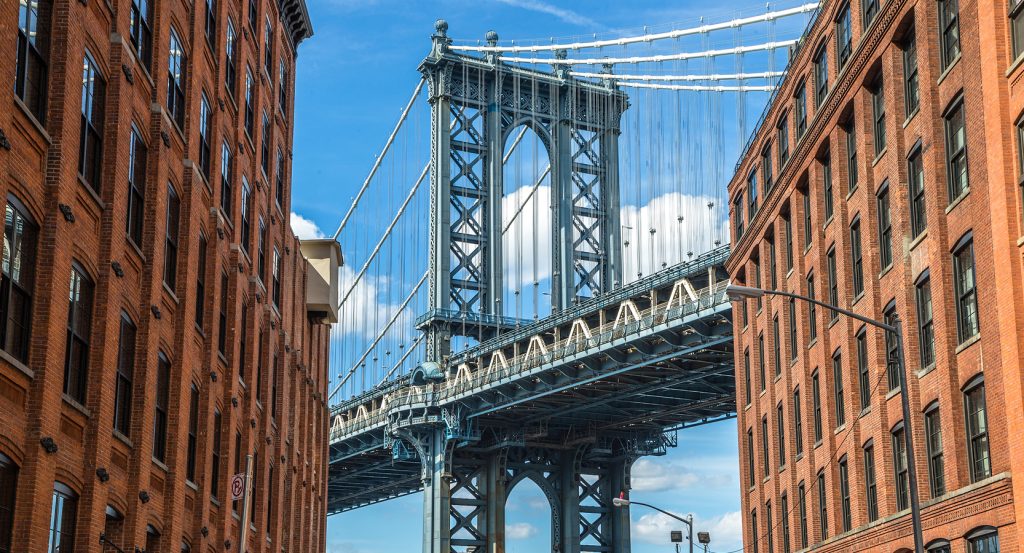
Why Fort Greene matters.
Fort Greene is a landmark Brooklyn neighborhood where Revolutionary War history, world-class arts, and architectural grandeur converge within one of New York City's most culturally influential communities.
Bordered by Downtown Brooklyn, Clinton Hill, Prospect Heights, and the Brooklyn Navy Yard, this celebrated neighborhood connects historic brownstone blocks, landmark cultural institutions, acclaimed restaurants, tree-lined streets, civic buildings, and beautifully preserved public spaces that collectively showcase Brooklyn's extraordinary historical and artistic legacy. Elegant Italianate rowhouses, Romanesque Revival churches, Victorian mansions, and architecturally significant civic landmarks create a streetscape where generations of artists, writers, musicians, and civic leaders have shaped the borough's identity. Fort Greene emerged during Brooklyn's nineteenth-century expansion as one of its most prestigious residential neighborhoods while preserving its Revolutionary War roots through carefully maintained public spaces and historic landmarks. The result is a neighborhood defined by architectural distinction, cultural leadership, and enduring historical significance.
What defines Fort Greene.
Fort Greene is best known for being home to Fort Greene Park, Brooklyn's first public park, designed in 1847 by Frederick Law Olmsted and Calvert Vaux before they created Central Park.
Originally established around the site of Revolutionary War fortifications built to defend New York during the Battle of Brooklyn, the park evolved into one of America's earliest intentionally designed urban green spaces. Olmsted and Vaux later reimagined the landscape after their success with Central Park, creating sweeping lawns, shaded pathways, and scenic overlooks centered around the expansive Prison Ship Martyrs' Monument. Today, the park remains one of Brooklyn's defining civic spaces while preserving the neighborhood's deep connections to both American history and the evolution of urban landscape architecture.
How Fort Greene fits.
Fort Greene works as an exploration of Brooklyn's Revolutionary history, cultural institutions, and architectural heritage.
Begin at Fort Greene Park, where historic landscapes and the towering Prison Ship Martyrs' Monument immediately establish the neighborhood's defining historical legacy. Continue toward the Brooklyn Academy of Music, whose internationally acclaimed performances reveal why Fort Greene has long stood at the center of Brooklyn's artistic life. From there, make your way to the Mark Morris Dance Center, where one of the world's leading contemporary dance organizations provides broader perspective on the neighborhood's enduring commitment to creativity and performance. Along the route, you'll encounter beautifully preserved brownstones, neighborhood cafés, architecturally significant churches, independent boutiques, landmark cultural institutions, and welcoming public spaces that reveal the neighborhood's exceptional depth. The progression moves naturally from Revolutionary War landmark to world-renowned performing arts institution to internationally respected dance center, demonstrating how Fort Greene connects American history, artistic excellence, and neighborhood character within one of New York City's most distinguished communities. Fort Greene remains one of the borough's most rewarding destinations, preserving a distinctive balance between historical significance, cultural innovation, and architectural beauty.
Where your story begins.
Foresyte Travel reveals places that feel extraordinary long before you arrive.
Enjoy editorial crafted for luxury travelers.
Foresyte may earn a commission when you book.







































































































