
Why Fort Independence matters.
Fort Independence is an expansive coastal fortress where South Boston's military heritage, strategic harbor defenses, centuries of engineering, and Revolutionary history preserve one of America's oldest continuously fortified sites.
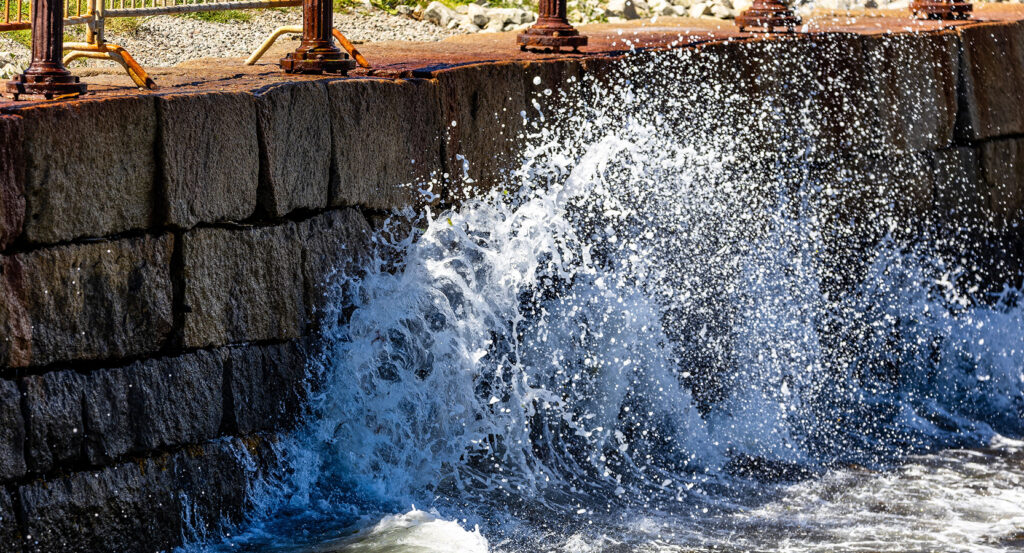
Set along Castle Island near William J. Day Boulevard and just steps from Sullivan's Castle Island, this imposing granite fort overlooks Boston Harbor with massive defensive walls, vaulted casemates, granite bastions, historic parade grounds, and commanding waterfront views that demonstrate more than three centuries of military architecture. Thick masonry, elevated ramparts, harbor breezes, and panoramic vistas create an atmosphere where visitors can explore one of the nation's most enduring coastal fortifications. Every passageway reveals another chapter in Boston's remarkable defensive history. The result is an experience defined by military engineering, historical significance, and one of New England's greatest fortifications.
What defines Fort Independence.
Fort Independence is best known for standing on the site of Boston's first permanent English fortification, originally established in 1634, making it among the oldest continuously fortified military sites in the United States. Constructed initially as a wooden fort to defend the young Massachusetts Bay Colony, the installation underwent numerous reconstructions during the colonial period before serving strategic roles throughout King Philip's War, the American Revolution, and the War of 1812. The present granite fortress was constructed between 1833 and 1851 under the supervision of Colonel Sylvanus Thayer, widely known as the “Father of West Point,” as part of the United States' ambitious Third System of Coastal Fortifications, the largest federal harbor defense program of the nineteenth century. Designed with five-sided granite walls reaching 30 feet in height, the fort incorporated bombproof casemates, artillery positions for more than 90 cannon, underground magazines, defensive bastions, and advanced engineering intended to withstand the era's most powerful naval bombardments. Although the fort never engaged in major combat after completion, it remained an active military installation through the Civil War, the Spanish-American War, and World War II, adapting continuously to changing coastal defense technologies. Today, Fort Independence is listed on the National Register of Historic Places and is recognized as one of the finest surviving examples of Third System military architecture in North America. Carefully preserved by the Massachusetts Department of Conservation and Recreation, the fortress welcomes visitors through guided tours, educational programs, and public access that illuminate nearly four centuries of Boston's military history. Together, extraordinary colonial origins, exceptional military engineering, remarkable architectural preservation, and enduring historical importance establish Fort Independence as one of America's most significant coastal fortresses.
The fort continues demonstrating how successive generations of military engineering adapted to evolving threats while preserving an unbroken defensive presence across nearly four centuries. Expansive granite construction, meticulous preservation, nationally significant historical associations, and striking harbor views reinforce Fort Independence's standing among the finest surviving coastal fortifications in the United States while illustrating Boston Harbor's enduring strategic importance.
How Fort Independence fits.
Fort Independence works as part of an exploration through South Boston's historic waterfront.
Begin at Castle Island, where scenic harbor pathways introduce the remarkable military landscape surrounding Fort Independence before exploring the fortress through its granite ramparts and historic casemates. Continue to Sullivan's Castle Island, where one of Boston's most beloved waterfront traditions provides a classic local meal overlooking the harbor. Conclude at Pleasure Bay, where sweeping views of Boston Harbor and the city skyline provide a memorable finale celebrating the remarkable blend of military history, recreation, and coastal beauty that defines South Boston. The progression moves naturally from historic fortifications to a beloved local institution before concluding along one of Boston's finest waterfront landscapes, revealing why Fort Independence remains one of the city's defining historic landmarks.
Where your story begins.
Foresyte Travel reveals places that feel extraordinary long before you arrive.
Enjoy editorial crafted for luxury travelers.
Foresyte may earn a commission when you book.







































































































