
Why you should experience Freehand Los Angeles in Los Angeles, California.
Freehand Los Angeles is where vintage downtown glamour meets youthful creative energy, where classic Art Deco architecture blends with energetic communal spirit, and where stepping inside feels like entering a colorful, social, design-forward retreat that captures the heartbeat of modern Los Angeles while honoring its historic soul.
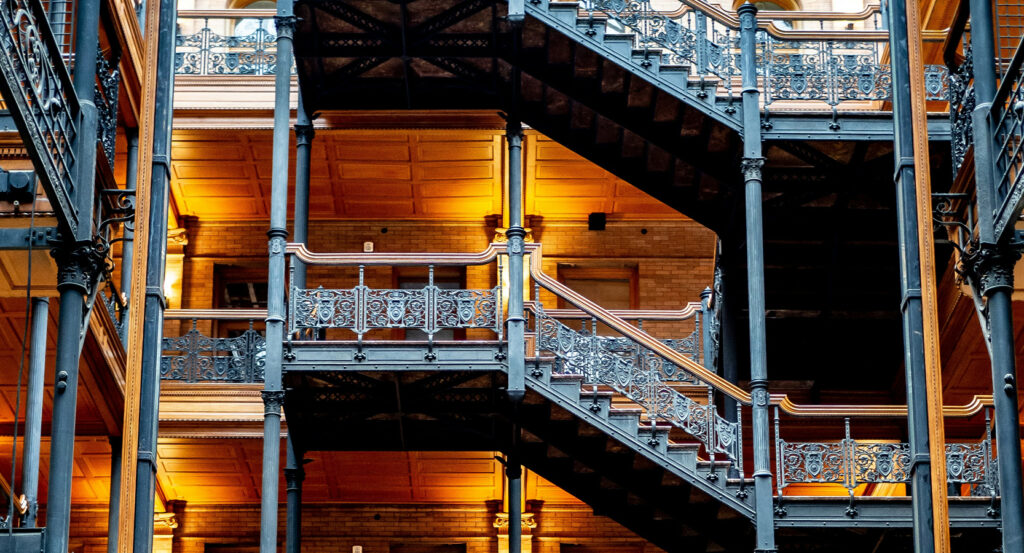
Housed inside the iconic Commercial Exchange Building, an Art Deco landmark from the 1920s, the hotel greets you with soaring ceilings, original architectural flourishes, polished terrazzo floors, restored moldings, glowing brass accents, and a sense of grandeur softened by warm lighting and eclectic décor. The lobby immediately sets the tone: inviting seating areas, handcrafted furniture, local artwork, bohemian textiles, lush plants, and an effortlessly cool atmosphere that blends boutique flair with community-driven hospitality. The aesthetic is chic but never pretentious, artistic but never overwhelming, and unmistakably rooted in the creative renaissance happening throughout Downtown. Guest rooms range from beautifully appointed private suites to stylish, thoughtfully designed shared rooms, each space executed with precision, warmth, and personality. Expect a mix of custom textiles, soft linens, handcrafted bunk frames in shared spaces, mid-century touches, curated color palettes, lively accents, and natural materials that create a sense of comfort and character. Many rooms feature original Art Deco windows framing the cityscape, capturing morning light, evening glow, or the neon hues of downtown at night. Private rooms feel like boutique escapes, minimalistic yet warm, textured yet streamlined, and always infused with creative charm. Bathrooms are bright, modern, and functional, clean lines, contemporary fixtures, glass showers, good lighting, and amenities chosen for quality and simplicity. Suites offer more space, enhanced décor, and views that remind you you're in one of the most historically layered corners of Los Angeles. But the beating heart of Freehand Los Angeles is its rooftop, home to Broken Shaker, among the most celebrated rooftop bars in the city. This sun-soaked oasis unfolds with colorful furniture, lush greenery, poolside loungers, handcrafted cocktails, global-inspired bites, and panoramic views of the Los Angeles skyline stretching from the Historic Core to the horizon. It's lively, atmospheric, beautifully designed, and animated by both guests and locals who come for its creative drinks, warm energy, and effortless blending of vintage LA glamour with modern rooftop culture. The pool itself sits surrounded by pastel umbrellas, potted plants, and the hum of downtown life far below. Whether basking in the afternoon sun, sipping something refreshing, or relaxing after a day of exploring, the rooftop offers a cinematic slice of Los Angeles that feels equal parts animated and restorative. Dining options reinforce the hotel's community-driven character. The lobby-level café offers excellent coffee, pastries, and light bites perfect for early starts or relaxed afternoons. The rooftop menu at Broken Shaker emphasizes bold flavors, fresh ingredients, and shared-plate energy, creating meals that are both casual and deeply satisfying. The service is warm, friendly, unpretentious, and authentically engaged, staff members remember faces, offer thoughtful recommendations, and help foster the sense of connection and creativity that lives at the core of the Freehand brand.
What you should know about Freehand Los Angeles.
Freehand Los Angeles stands on land that reflects nearly a century of Downtown history, from early-20th-century expansion to mid-century decline, from decades of vacancy to the cultural and architectural revival that defines the downtown of today.
The building originally opened in 1924 as the Commercial Exchange Building, designed by modernist architect Claud Beelman, a name synonymous with Los Angeles' most iconic Art Deco structures. At sixteen stories, it was among the tallest and most technologically advanced buildings in the city at the time. Its façade showcased elaborate stonework, vertical lines, geometric patterns, and meticulously crafted architectural details, classic hallmarks of early Art Deco design. One of the building's most unusual claims to fame is that it was once home to the largest advertising sign in Los Angeles: a massive vertical “Commercial Exchange” sign that became a landmark for travelers and locals navigating the thriving downtown streets. During the 1920s and 1930s, the building housed a spirited assortment of tenants, textile businesses, offices, creative studios, and commercial warehouses supporting the city's booming population and expanding industries. Over time, as Los Angeles' commercial activity migrated westward and downtown experienced mid-century economic decline, the building's occupancy dwindled. By the 1980s, it sat largely underused, its ornate details hidden beneath layers of neglect and its grand interior spaces forgotten by most Angelenos. A pivotal moment came when city planners and preservationists began recognizing the historical importance of Downtown's early architecture. The Commercial Exchange Building was granted landmark status, protecting its façade and key structural elements from demolition. This decision would pave the way for the building's transformation decades later. Renovations required extraordinary care. The original Art Deco stonework was cleaned and restored. Historic windows were replaced to match original patterns. Structural upgrades reinforced the building against seismic activity. Designers preserved architectural elements like original beams, windows, and flooring, integrating them into the new aesthetic. A particularly fascinating piece of its architectural history: to meet modern city regulations and property line requirements, the building had to be partially “slid” several feet during its restoration. Engineers literally cut the structure and moved it, a highly complex maneuver, making it among the few historic buildings in Los Angeles ever shifted in place. This extraordinary engineering feat saved the building from demolition and allowed it to be reborn as a hotel. When Freehand moved in, the brand embraced the building's layered past. The restoration maintained many of its authentic details, original tile floors, historic windows, exposed beams, while complementing them with handcrafted furniture, contemporary décor, artisanal textiles, and bold artistic touches that reflect Freehand's creative character. Today, Freehand Los Angeles stands as a symbol of downtown's cultural renaissance, a building that has seen eras of prosperity, decline, reinvention, and revival, now alive again in a way that blends its architectural history with the creativity and vibrancy of a new generation.
How to fold Freehand Los Angeles into your trip.
Freehand Los Angeles becomes your energetic, design-driven downtown base, where mornings begin with good coffee and natural light, afternoons unfold into rooftop sun and neighborhood exploration, and evenings settle into colorful cocktails, city views, and the energetic pulse of Los Angeles nightlife.
Start the morning with a pastry and latte from the lobby café before stepping into the Historic Core. Wander the neighborhood's streets lined with restored Art Deco buildings, grab breakfast at Grand Central Market, or explore nearby boutiques, record stores, and galleries. Midday, return to the hotel for rooftop time. Swim in the pool beneath the open sky, stretch out under colorful umbrellas, sip a creative cocktail from Broken Shaker, or simply enjoy the warm breeze and views of the skyline stretching into the distance. In the afternoon, explore nearby districts: walk to Little Tokyo for culture and food, head to the Arts District for murals and cafés, browse Santee Alley in the Fashion District, or visit The Broad and MOCA for world-class art. If you prefer something slower, retreat to your room for quiet downtime, sunlight through the windows, a comfortable bed, and calm moments to recharge before the evening. As golden hour arrives, the rooftop comes alive. Sip a drink infused with herbs and tropical flavors, share small plates, admire the glow spreading across the downtown skyline, and enjoy the social energy that makes the space one of the most beloved rooftops in the city. Dinner options are endless. Stay on the rooftop for flavorful bites or walk to a nearby restaurant, Koreatown barbecue, MICHELIN-starred tasting menus, inventive fusion, or energetic Mexican cuisine. After dinner, explore downtown nightlife: rooftop bars, speakeasies, music venues, comedy clubs, and theaters all sit within a short walk or quick rideshare. End your night back at the hotel, either by the pool under the lights or in your cozy room high above the streets.
Where your story begins.
Foresyte Travel reveals places that feel extraordinary long before you arrive.
Experience premium editorial crafted for luxury travelers.





































































































