
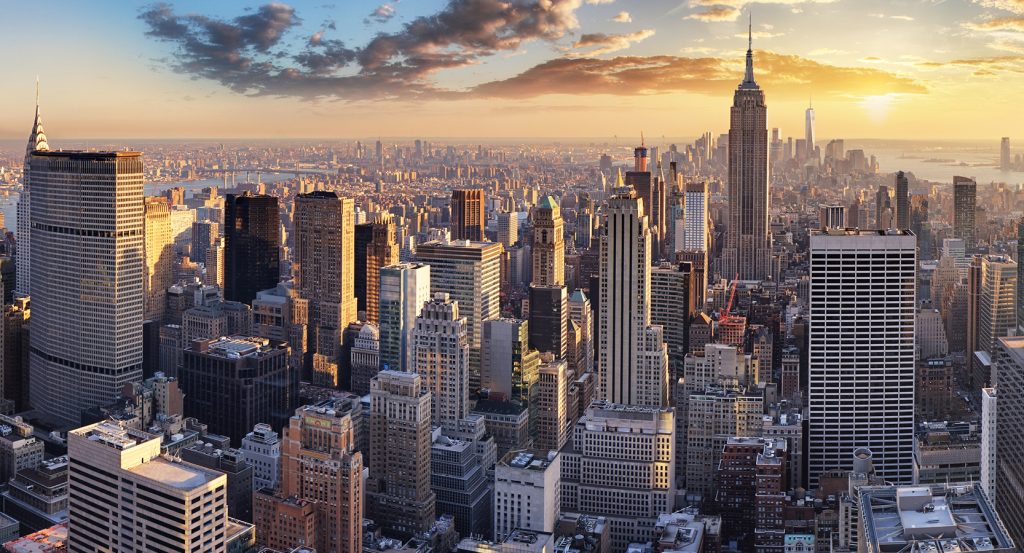
Why Harlem matters.
Harlem is the cultural soul of New York City, where renowned music, artistic innovation, architectural grandeur, and enduring community pride have shaped one of the most influential neighborhoods in American history.
Stretching across Upper Manhattan, the neighborhood unfolds through a remarkable landscape of historic brownstones, iconic theaters, jazz clubs, churches, soul food institutions, cultural landmarks, and energetic commercial corridors that reflect generations of creativity and resilience. Music spills from historic venues, residents gather in beloved parks and community spaces, and visitors encounter a neighborhood whose influence extends far beyond its boundaries. Elegant rowhouses line tree-shaded streets while murals, monuments, and local institutions celebrate the leaders, artists, and visionaries who helped define Harlem's identity. The atmosphere feels powerful, expressive, and deeply authentic, offering one of the richest cultural experiences anywhere in the United States.
What defines Harlem.
Harlem is best known as the birthplace of the Harlem Renaissance, the extraordinary cultural movement that transformed American literature, music, art, and intellectual life during the 1920s and established Harlem as the capital of Black America.
During the early twentieth century, Harlem became the center of African American cultural expression as writers, musicians, artists, scholars, and activists converged in the neighborhood. Figures such as Langston Hughes, Zora Neale Hurston, Duke Ellington, and countless others helped create a movement whose influence reshaped American culture and reverberated around the world. Jazz flourished in renowned clubs, groundbreaking literature emerged from local salons, and new artistic voices challenged and expanded the nation's understanding of character and creativity. Few neighborhoods have exerted a greater influence on the cultural development of the United States.
How Harlem fits.
Harlem is an ideal centerpiece for a day spent exploring New York City's cultural heritage, architecture, and musical legacy.
Begin at the Apollo Theater, where generations of performers launched careers that would change popular music forever, before strolling along 125th Street to experience the neighborhood's historic commercial heart. From there, explore the grand architecture surrounding Strivers' Row and nearby brownstone-lined blocks before visiting the Studio Museum in Harlem area and local cultural institutions. In the afternoon, spend time in Marcus Garvey Park or along the neighborhood's historic avenues before settling into one of Harlem's renowned restaurants. As evening approaches, experience live jazz or gospel music that continues the traditions that made Harlem famous around the world. Apollo Theater, Strivers' Row, and Marcus Garvey Park create a natural progression through the landmarks that best capture the neighborhood's identity. Harlem fits seamlessly into that journey, serving as both the birthplace of the Harlem Renaissance and one of the most culturally significant neighborhoods in American history.
Where your story begins.
Foresyte Travel reveals places that feel extraordinary long before you arrive.
Enjoy editorial crafted for luxury travelers.
Foresyte may earn a commission when you book.







































































































