
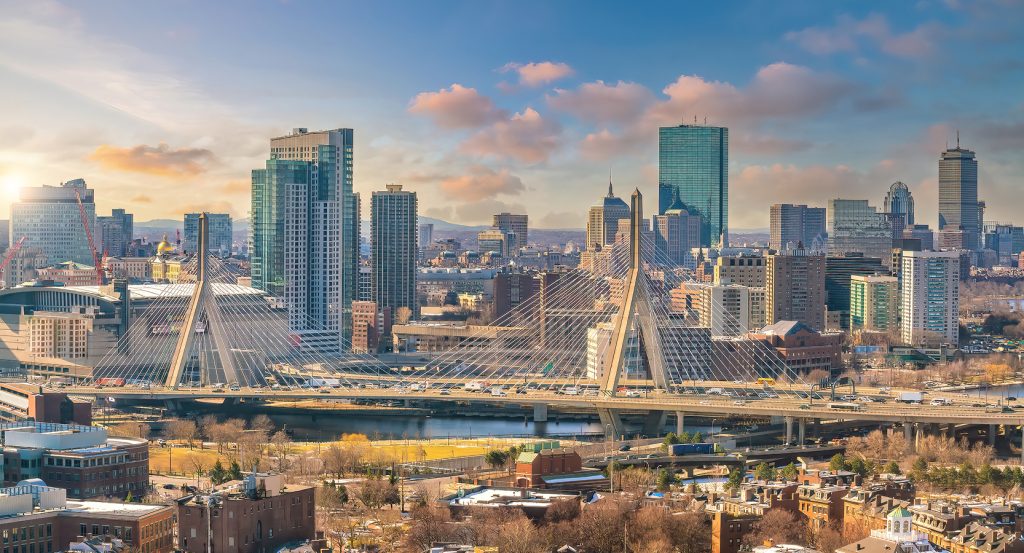
Why you should experience Hemenway Street in Boston, Massachusetts.
Hemenway Street is a historic Fenway corridor where academic excellence, artistic heritage, and architectural elegance converge along one of Boston's most distinguished residential streets.
Running through Fenway between Massachusetts Avenue, Huntington Avenue, and Westland Avenue, this graceful corridor connects renowned universities, landmark museums, historic apartment buildings, architecturally significant brownstones, energetic cafés, and welcoming public spaces that collectively showcase Boston's extraordinary blend of higher education, culture, and urban design. Elegant late nineteenth-century architecture, beautifully preserved residential façades, thoughtfully landscaped streetscapes, thriving academic institutions, welcoming neighborhood businesses, and enduring civic character create an urban landscape where generations of students, artists, musicians, educators, residents, and visitors have shaped one of New England's defining educational corridors. Hemenway Street developed during Boston's westward expansion while preserving its intimate residential scale amid the city's growing cultural and academic district. The result is a corridor defined by architectural distinction, intellectual vitality, and lasting neighborhood significance.
What you should know about Hemenway Street.
Hemenway Street is best known for reflecting the vision of Augustus Hemenway, the influential Boston philanthropist whose family's contributions helped shape the development of the surrounding Fenway district during the late nineteenth century, including educational, cultural, and civic institutions that transformed the neighborhood into one of America's premier academic centers.
Named in honor of the prominent Hemenway family, the street emerged as part of Boston's carefully planned expansion into the Back Bay Fens following Frederick Law Olmsted's landscape improvements. The surrounding district quickly attracted colleges, museums, conservatories, and distinguished residential buildings that established Fenway as one of the city's foremost cultural neighborhoods. Today, Hemenway Street remains a remarkably intact reminder of that ambitious era of urban planning and institutional growth. That extraordinary civic legacy has established Hemenway Street as a corridor reflecting one of Boston's greatest periods of educational and cultural expansion.
How to fold Hemenway Street into your trip.
Hemenway Street works as an exploration of Boston's academic heritage, cultural institutions, and historic architecture.
Begin along Hemenway Street, where elegant historic streetscapes immediately establish the corridor's defining identity. Continue toward the New England Conservatory of Music, where America's oldest independent conservatory provides broader perspective on the neighborhood's extraordinary artistic legacy. From there, make your way to the Museum of Fine Arts, Boston, where one of the world's great art museums provides a memorable conclusion while celebrating Boston's enduring commitment to scholarship, creativity, and public culture. Along the way, you'll encounter architecturally significant residential buildings, welcoming neighborhood streets, thriving academic institutions, beautifully preserved historic façades, celebrated cultural destinations, and energetic gathering places that reveal the Fenway's exceptional depth. The progression moves naturally from a distinguished residential corridor to a pioneering conservatory to one of America's premier museums, demonstrating how Hemenway Street connects educational excellence, community life, and cultural discovery.
Where your story begins.
Foresyte Travel reveals places that feel extraordinary long before you arrive.
Experience premium editorial crafted for luxury travelers.







































































































